5-5-5 Rule Postpartum | Safe & Effective Recovery After Childbirth
-






The 5-5-5 rule postpartum is a gentle and structured recovery method designed to help new mothers heal safely after childbirth. It divides the first 15 days after delivery into three simple phases rest, light movement, and gradual activity allowing the body to recover without pressure. This approach supports physical healing while reducing fatigue and discomfort.
During the early postpartum period, many women experience muscle weakness, pelvic strain, and lingering back discomfort, especially if they had back pain during pregnancy. The 5-5-5 rule helps protect the spine, improve circulation, and prevent overexertion that can slow recovery. By encouraging rest first and movement later, this routine supports natural healing and helps mothers regain strength at a comfortable pace. When followed mindfully and with medical guidance, the 5-5-5 rule offers a safe, practical, and effective way to support postpartum recovery and overall well-being.
At Silver Streak Multi Speciality Hospital, Gurgaon, pregnancy-related concerns such as back pain and posture discomfort are managed with expert medical guidance focused on both mother’s comfort and baby’s safety.
डॉ. स्वप्निल अग्रहरि is a highly experienced Obstetrics & Gynecology consultant with over 8+ years of clinical expertise and an excellent knowledge from 2600+ patients. She is widely recognized for her compassionate, patient-first approach in managing both normal and high-risk pregnancies.
She offers comprehensive pregnancy care with a strong focus on addressing common pregnancy-related concerns such as back pain, pelvic pressure, posture-related discomfort, and musculoskeletal strain. Through personalized guidance on posture, daily activity, and safe, non-medicated relief methods, she helps expecting mothers stay comfortable and active throughout pregnancy.
With advanced qualifications (MBBS, MS, F.MAS, D.MAS) and hands-on expertise in high-risk pregnancy management and minimally invasive gynecological procedures, Dr. Swapnil ensures every patient receives clear communication, evidence-based care, and individualized treatment planning at every stage of pregnancy.
The 5-5-5 rule postpartum is a gentle and structured recovery approach designed to help new mothers heal naturally after childbirth. The body goes through significant physical and hormonal changes during delivery, and rushing back into daily activities can slow healing or increase discomfort. This rule encourages proper rest, gradual movement, and mindful recovery, which are essential for long-term postpartum health.
By dividing recovery into simple phases, the 5-5-5 rule helps reduce strain on healing muscles, supports pelvic floor recovery, and lowers the risk of back pain and fatigue. It allows the body to regain strength at a steady pace while protecting overall physical and emotional well-being.
Postpartum tissues, especially the uterus, pelvic floor, and abdominal muscles, need time to repair. The 5-5-5 rule prioritizes rest in the initial days, helping prevent complications such as pelvic discomfort, muscle weakness, or delayed healing. This controlled recovery approach supports proper internal and external healing without added stress.
Many women experience back pain after delivery due to posture changes, weakened core muscles, and lifting the baby frequently. Following the 5-5-5 rule minimizes sudden physical strain and helps the body adjust gradually. This reduces lower back pain, joint stiffness, and muscle soreness during the recovery phase.
Postpartum fatigue and emotional fluctuations are common, especially in the early weeks. Adequate rest and a slow return to activity help prevent exhaustion and support better sleep patterns. This structured routine also plays a role in reducing stress and supporting mental balance during postpartum recovery. Basically, the 5-5-5 rule for postpartum recovery offers a practical and sustainable way to heal after childbirth. By focusing on rest, controlled movement, and listening to the body, it helps new mothers recover comfortably, regain strength safely, and feel more confident during the postpartum journey.
The 5-5-5 rule after childbirth is a simple yet effective postpartum recovery plan that helps new mothers heal safely without rushing their body. After delivery, the body needs time to recover from physical strain, hormonal changes, and muscle stretching. This structured approach divides recovery into three manageable phases, allowing the body to regain strength gradually while reducing the risk of pain, fatigue, and long-term complications.
Following this rule helps support uterine healing, pelvic floor recovery, posture correction, and emotional balance. It also helps prevent common issues such as back pain during pregnancy that may continue even after delivery if proper recovery is ignored. By avoiding overexertion—one of the main reasons for delayed postpartum healing—the 5-5-5 rule offers a balanced and realistic way to return to daily life after childbirth when followed under medical guidance.
The first five days after delivery are critical for physical healing. During this phase, the focus should be on complete rest and allowing the body to recover from childbirth. The uterus begins shrinking back to its normal size, and tissues affected during delivery start healing. Excessive movement or physical effort during this time can increase pain, bleeding, or discomfort.
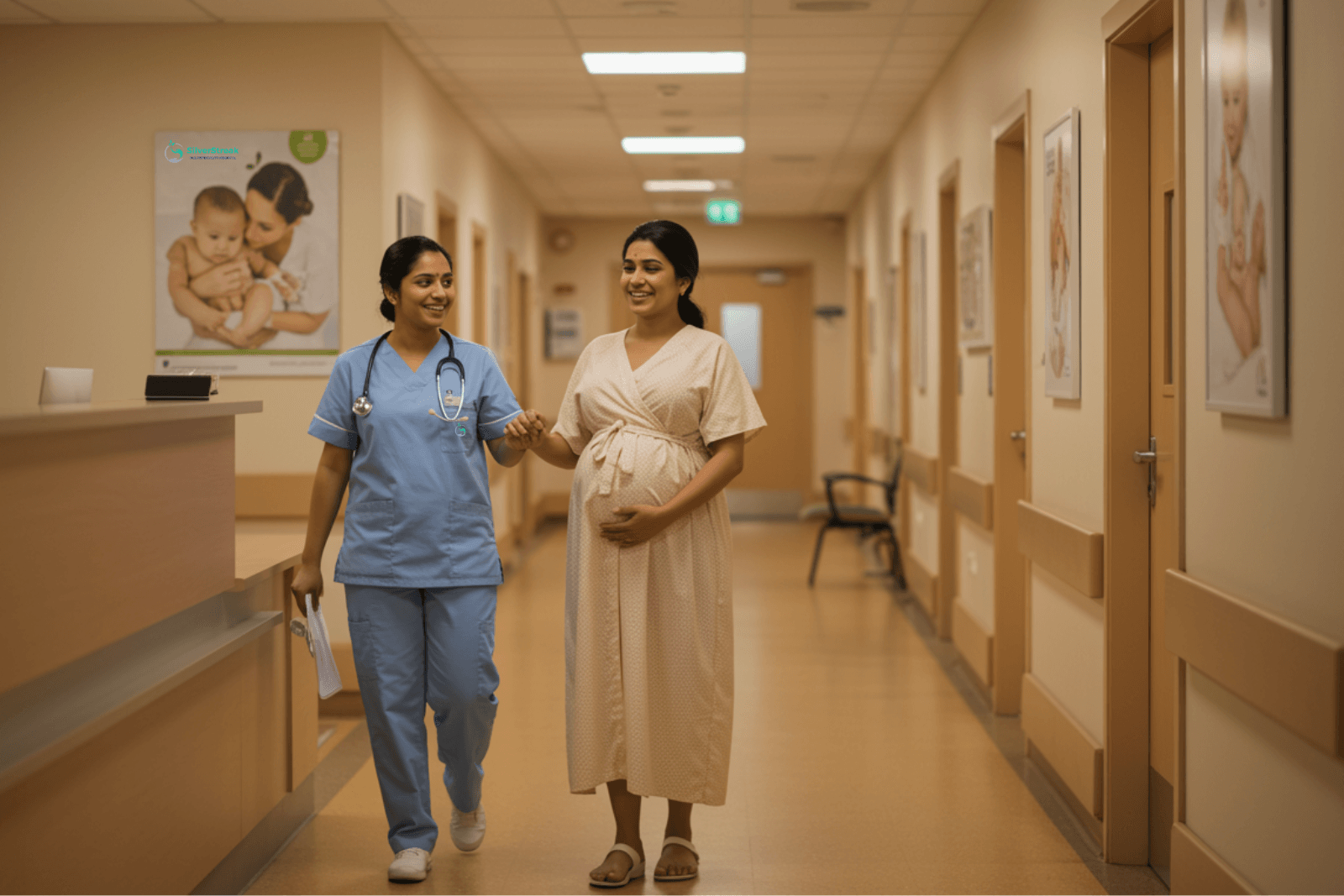
New mothers should limit activity to essential movements only, such as feeding the baby or short walks within the room. Adequate rest during these initial days helps reduce postpartum back pain, pelvic pressure, and extreme fatigue while supporting faster recovery.
Once the body begins stabilizing, the next five days focus on gentle movement. Light activities such as slow walking, mild stretching, or simple posture correction help improve blood circulation and reduce muscle stiffness. This phase supports core muscle engagement and prevents body stiffness without putting stress on healing tissues.
Gentle movement also helps reduce postpartum back pain and improves energy levels. However, lifting heavy objects, bending excessively, or standing for long periods should still be avoided during this stage.
In the final phase of the 5-5-5 rule, mothers can slowly return to daily activities while continuing to listen to their body. Light household tasks, short outdoor walks, and basic mobility exercises can be introduced gradually. This phase helps rebuild strength, improve posture, and restore confidence in physical movement.
Even during this stage, it is important to avoid high-impact exercises or strenuous work. A slow and mindful transition ensures long-term recovery and reduces the risk of recurring pain or exhaustion.
The 5-5-5 rule after delivery is generally safe for most women when followed mindfully and with proper medical guidance. It is designed to support natural postpartum healing by balancing rest, gentle movement, and gradual activity. Because this approach respects the body’s healing timeline, it reduces the risk of overexertion, muscle strain, and delayed recovery. However, every postpartum journey is different, so safety depends on individual health conditions and the type of delivery.
The 5-5-5 rule is safe for women who have had a normal vaginal delivery without complications and are recovering steadily. If bleeding is within normal limits, pain is manageable, and there are no signs of infection or dizziness, this routine can be followed comfortably. It works well for mothers experiencing mild postpartum discomfort, stiffness, or fatigue and helps prevent issues like back pain and poor posture. With adequate rest in the first phase and gentle activity introduced slowly, the rule supports both physical recovery and emotional balance.
The 5-5-5 rule should be modified or delayed in cases of C-section delivery, heavy bleeding, severe pelvic pain, stitches-related complications, or underlying medical conditions such as anemia or high blood pressure. Women experiencing intense pain, fever, weakness, or delayed wound healing should avoid structured activity until cleared by a doctor. In such situations, recovery plans must be personalized, and medical advice is essential before starting any routine. Listening to your body and seeking professional guidance ensures postpartum recovery remains safe, effective, and stress-free.
Postpartum recovery is a delicate phase, and certain mistakes can slow healing or lead to long-term discomfort. One of the most common mistakes is resuming daily chores or physical activity too early. The body needs adequate rest after childbirth, and overexertion can increase pain, bleeding, and muscle strain. Ignoring rest often delays uterine and pelvic floor recovery. Another frequent mistake is neglecting posture and body alignment, especially while feeding the baby or sitting for long periods. Poor posture can worsen back pain and focused muscle tension. Skipping gentle movement entirely is also a concern—while rest is essential, complete inactivity for too long may lead to stiffness and reduced circulation.
Many new mothers also ignore early signs of discomfort, assuming pain and fatigue are “normal.” Persistent back pain, pelvic pressure, or weakness should not be overlooked and may require medical guidance. Lastly, avoiding professional advice or comparing recovery timelines with others can be harmful. Every postpartum journey is unique, and recovery should always be paced according to individual health needs.
Postpartum recovery is different for every woman, but certain signs should never be ignored. New mothers should consult a doctor if pain, bleeding, or weakness feels excessive or continues beyond the expected recovery period. While mild discomfort and fatigue are normal after childbirth, persistent lower back pain, pelvic pressure, or difficulty in movement may indicate delayed healing or muscle strain. Medical attention is also important if there is heavy vaginal bleeding, foul-smelling discharge, fever, or chills, as these symptoms can signal infection. Emotional health matters just as much as feelings of constant sadness, anxiety, or emotional overwhelm that do not improve may require professional support. Additionally, issues such as urinary leakage, severe abdominal pain, numbness, or dizziness should be evaluated promptly.
Timely consultation helps prevent long-term complications and ensures safe, complete recovery. Regular postpartum check-ups allow doctors to assess healing, guide activity levels, and provide reassurance helping new mothers regain strength, confidence, and overall well-being safely.
A well-planned postpartum recovery routine helps new mothers heal safely and regain strength after childbirth. The goal is gentle recovery, not rushed exercise, especially during the first few weeks.
Following a safe and gradual routine supports faster recovery, helps prevent postpartum back pain, and allows mothers to return to daily activities with confidence and comfort.
Following the 5-5-5 rule postpartum can help new mothers recover safely after childbirth, but knowing when to consult a doctor is crucial for avoiding complications and ensuring effective healing. While the rule encourages gradual rest, gentle movement, and return to daily activities, every mother’s recovery is unique, and certain signs should prompt professional evaluation.
Consulting a gynecologist or postpartum care specialist ensures safe adherence to the 5-5-5 rule while addressing complications early. Timely professional guidance not only supports physical recovery but also improves mental well-being and overall postpartum health.
The 5-5-5 rule postpartum provides a structured and gentle approach for new mothers to recover after childbirth. By dividing recovery into rest, gentle movement, and gradual return to daily activities, it ensures that the body heals safely while reducing the risk of pain, fatigue, and long-term complications.
Following this rule alongside medical guidance allows mothers to support pelvic floor recovery, improve posture, reduce back pain, and restore energy levels. It also helps prevent overexertion, which is a common cause of delayed recovery.
Can the 5-5-5 rule help with postpartum fatigue?
Yes. By alternating rest and gentle activity, the rule prevents overexertion and gradually rebuilds energy, helping new mothers feel less exhausted during the first weeks after delivery.
Is the 5-5-5 rule helpful for C-section recovery?
Absolutely. The structured phases allow gradual movement, which supports abdominal healing, prevents strain on stitches, and reduces the risk of complications like hernia or delayed mobility.
What exercises are safe during the “Next 5 Days” phase?
Safe exercises include slow walking, mild stretching, and gentle posture correction. Avoid lifting heavy objects, high-impact workouts, or bending too much during this phase.
How does the 5-5-5 rule support mental health after childbirth?
Following this routine encourages rest, light activity, and mindful recovery. This balance reduces stress, improves sleep, and helps manage postpartum mood swings and anxiety naturally.
Can I start the 5-5-5 rule immediately after delivery?
Yes, but only under doctor guidance. Mothers with normal deliveries can start with complete rest, while those with complications or C-section should get clearance before beginning gentle movement.
What exercises are safe during the “Next 5 Days” phase?
Safe exercises include slow walking, mild stretching, and gentle posture correction. Avoid lifting heavy objects, high-impact workouts, or bending too much during this phase.