Best Fistula Doctor in Gurgaon – Advanced Laser Treatment & Fistula Surgery
-


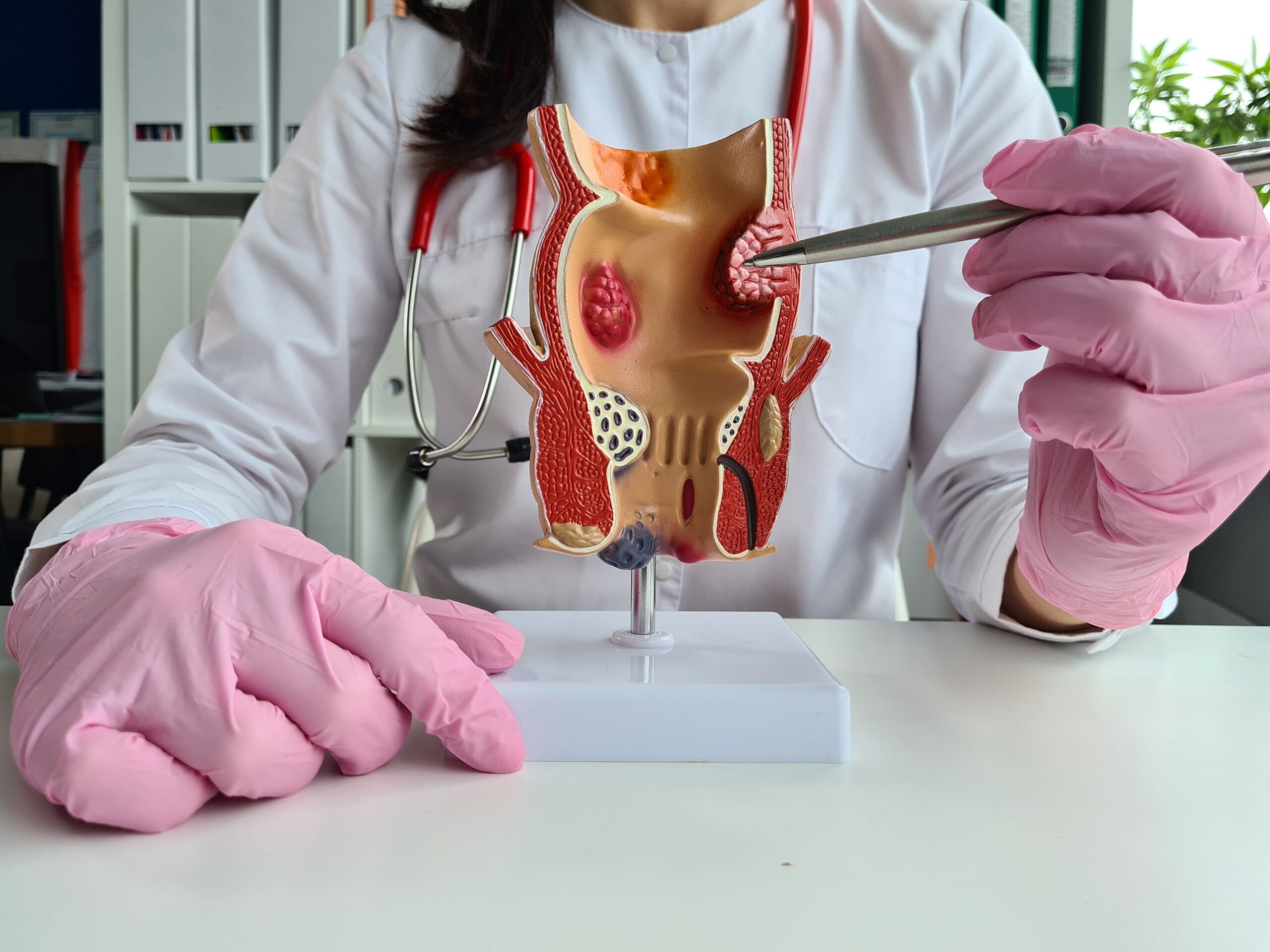



Living with an anal fistula is frustrating, painful, and emotionally draining. Many patients come to us after months of discomfort—constant pain near the anus, repeated pus discharge, and embarrassment during bowel movements. Simple activities like sitting, walking, or going to work start feeling difficult. What makes it worse is the fear that the problem may never fully heal.
An anal fistula does not heal on its own. Temporary medicines or home remedies only control symptoms, while the infection continues inside. Without proper treatment, the fistula tract can grow deeper, branch out, or recur again and again. This is why choosing the right fistula doctor in Gurgaon becomes extremely important.
Today, advanced options like laser treatment for fistula have made recovery faster and less painful—but only when performed by experienced surgeons who understand the delicate anatomy of the anal region. At SilverStreak Hospital, Gurgaon, fistula treatment focuses on complete removal of infection, protection of anal muscles, and long-term healing—so patients can return to a normal, stress-free life.
Expertise, experience, and patient trust are critical factors in fistula treatment. SilverStreak Hospital is home to some of the most respected fistula doctors in Gurgaon, known for their clinical skill and compassionate care.
डॉ. उत्कर्ष गुप्ता is a highly skilled and dynamic laparoscopic surgeon, trained at Indraprastha Apollo Hospital, New Delhi, one of India’s leading medical institutions. His strong foundation in advanced surgical techniques allows him to manage complex fistula cases with precision and confidence.
He has extensive expertise in complex colorectal and minimally invasive procedures, including laser and sphincter-preserving fistula surgeries. His precision-driven approach to fistula surgery focuses on complete infection removal while protecting normal bowel function, ensuring safer outcomes and faster recovery.
With over 12 years of surgical experience, डॉ. पारस कुमार गुप्ता is a trusted name in general and laparoscopic surgery at SilverStreak Hospital. He is widely recognized for his expertise in minimally invasive fistula surgery, offering patients effective treatment with minimal discomfort.
His surgical philosophy centers on faster recovery, reduced pain, and minimal complications. Patients appreciate his clear communication, honest guidance, and commitment to long-term healing rather than temporary relief.
Dr. Utkarsh Gupta and Dr. Paras Kumar Gupta are the best general and laparoscopic surgeons in Gurgaon.
Not all fistulas are the same. The success of treatment depends on correctly identifying the type of fistula and choosing the right technique.
Intersphincteric fistulas are the most common type seen in patients. In this condition, the fistula runs between the internal and external anal sphincter muscles and opens near the anus. Because the tract stays relatively shallow, treatment is usually simpler when done at the right time.
The intersphincteric fistula tract typically causes pain, swelling, and discharge but has a good healing rate when treated by an experienced fistula doctor.
These fistulas pass through the anal sphincter muscles and extend outward to the skin. Treatment needs extra care because improper surgery can affect muscle control and increase the risk of fecal incontinence. This is why such cases should only be handled by trained specialists.
Complex or deep fistulas are often long-standing or recurrent cases. They may have multiple branches, deeper tracts, or previous failed surgeries. These fistulas usually need advanced treatment methods such as laser treatment or staged surgical procedures to remove infected tissue completely and promote proper healing.
An anal fistula rarely stays silent. In most patients, the body keeps sending warning signs that something is wrong internally. Ignoring these symptoms or delaying treatment often allows the infection to spread deeper, making surgery more complicated later.
One of the earliest and most common signs is persistent pain near the anus. This pain may increase while sitting, walking, or during bowel movements. Some patients describe it as a constant burning or throbbing sensation that never completely goes away.
Another clear indicator is swelling and pus discharge from the external opening near the anus. The discharge may stain undergarments and is often accompanied by an unpleasant smell. Even if the discharge reduces temporarily, it usually returns because the infected tract remains inside.
Bleeding during bowel movements is also frequently reported, especially when the fistula opening becomes irritated or inflamed. In some cases, patients experience fever and recurrent infections, signaling that the body is constantly fighting the same source of infection.
If left untreated for a long time, a fistula can damage surrounding tissues and the anal sphincter muscles, increasing the risk of fecal incontinence. This is why early consultation with an experienced fistula doctor in Gurgaon is critical for safe and effective treatment.
Understanding why an anal fistula forms helps patients realize why medical treatment is necessary and why home remedies are not enough.
The most common cause is an untreated anal abscess. When an abscess drains on its own or is partially treated, the infection may not completely clear. Over time, this leads to the formation of a fistula tract connecting the anal canal to the skin.
Chronic infection and inflammation in the anal glands can also contribute to fistula formation. Repeated infections weaken the surrounding tissue, making it easier for abnormal tracts to develop.
In some patients, trauma or previous anorectal surgery may damage local tissues, increasing the risk of infection and fistula formation. Although less common, conditions such as tuberculosis or Crohn’s disease can also be associated with complex or recurrent fistulas due to ongoing inflammation.
Regardless of the cause, once a fistula forms, it usually requires a proper surgical procedure or advanced treatment like laser therapy to permanently remove the infected tissue and allow healing.
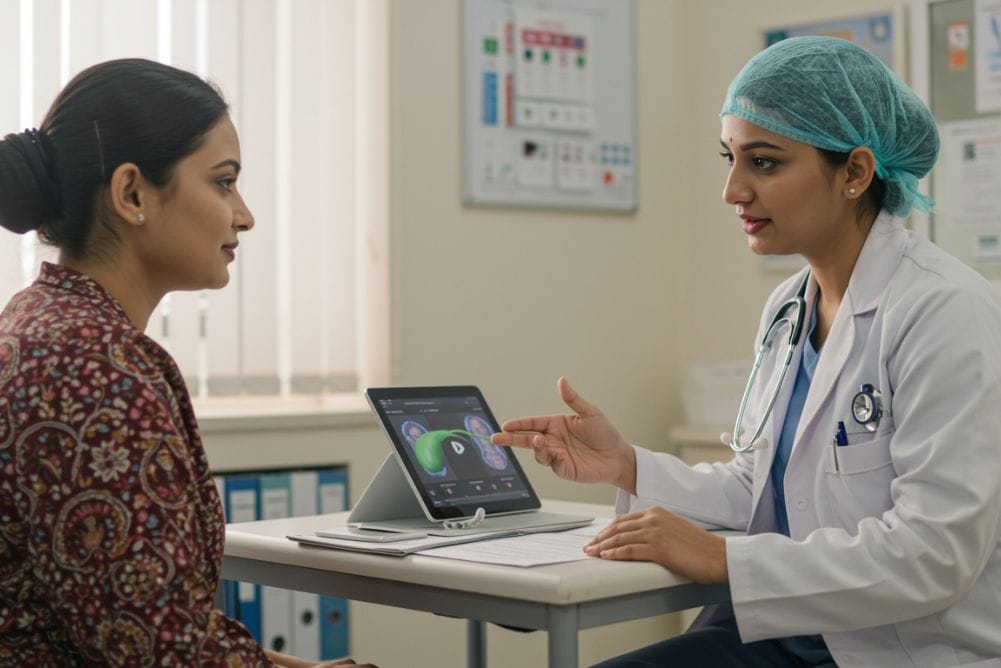
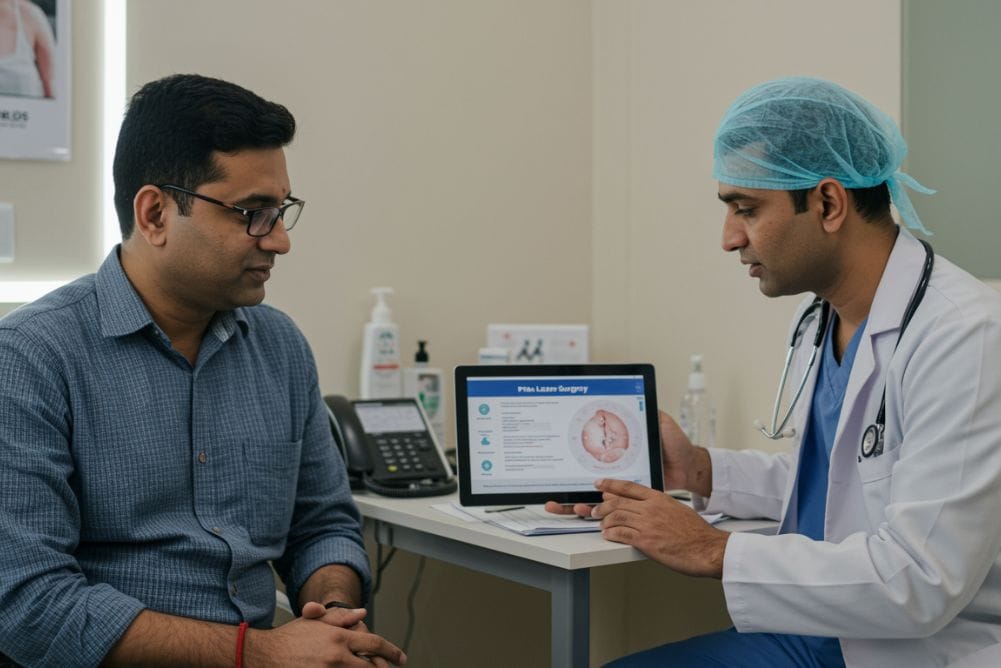
Accurate diagnosis is the foundation of successful fistula treatment. A skilled fistula doctor in Gurgaon focuses not only on confirming the presence of a fistula but also on understanding its exact path and complexity.
The process begins with a clinical examination, where the surgeon assesses the external opening, discharge, and surrounding skin. This helps in identifying obvious fistula tracts and signs of active infection.
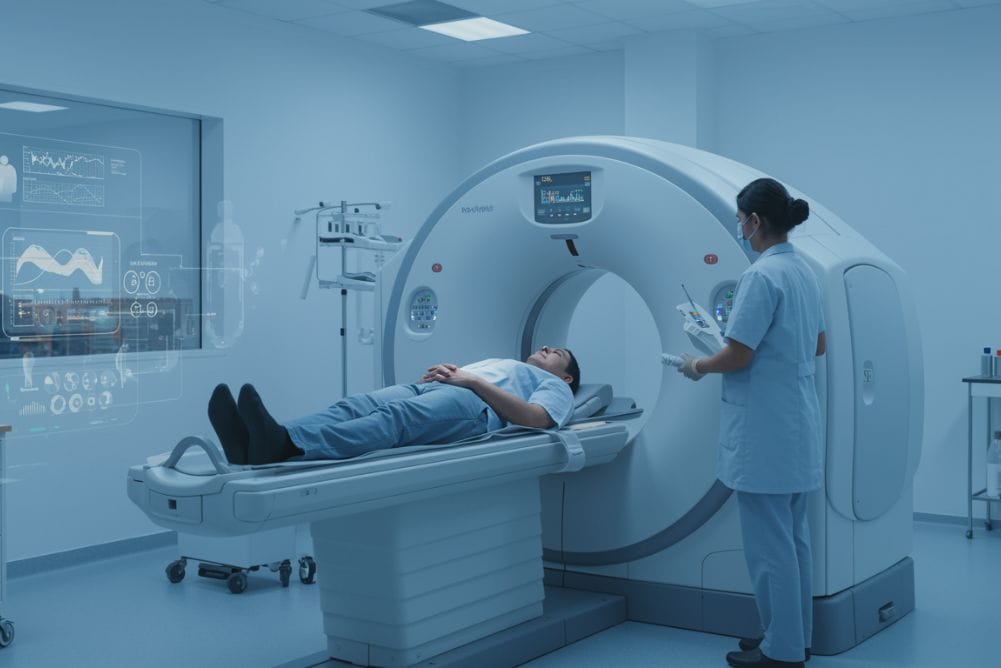
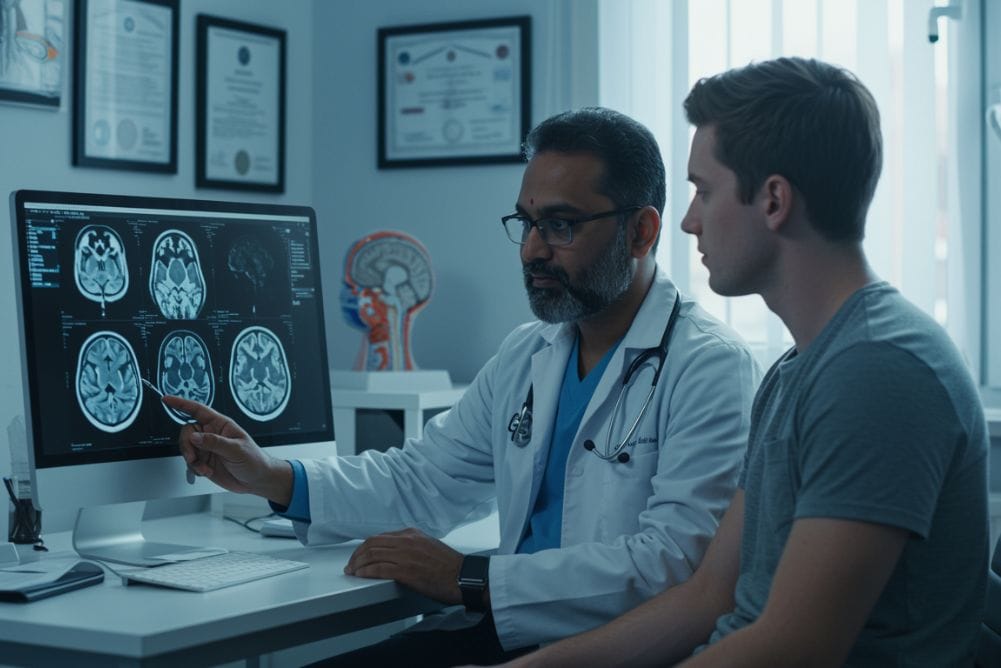
To map the fistula in detail, an MRI fistulogram is often advised. This advanced imaging test clearly shows the direction, depth, and branching of the fistula tract, especially in complex or deep cases. It also helps detect hidden internal openings that may not be visible during physical examination.
An essential part of diagnosis is identifying whether the fistula involves the anal sphincter muscles. This step is crucial because treatment must remove the infection without damaging muscle control.
Correct classification of the fistula—simple or complex—allows the surgeon to choose the safest and most effective treatment method, whether laser treatment or surgery. This careful planning significantly reduces the risk of recurrence and complications after the procedure.
Treating an anal fistula is not about just closing an opening on the skin. The real goal is to completely eliminate the infected tract from inside, prevent recurrence, and protect normal bowel control. This is why treatment must be personalized based on the type, depth, and location of the fistula.
At SilverStreak Hospital, expert fistula doctors use a step-by-step evaluation to decide whether laser treatment for fistula or fistula surgery will provide the safest and most effective outcome for the patient. The focus is always on long-term healing, minimal pain, and faster recovery.
Laser treatment has transformed the way anal fistulas are managed, especially for patients looking for a less painful and quicker solution.
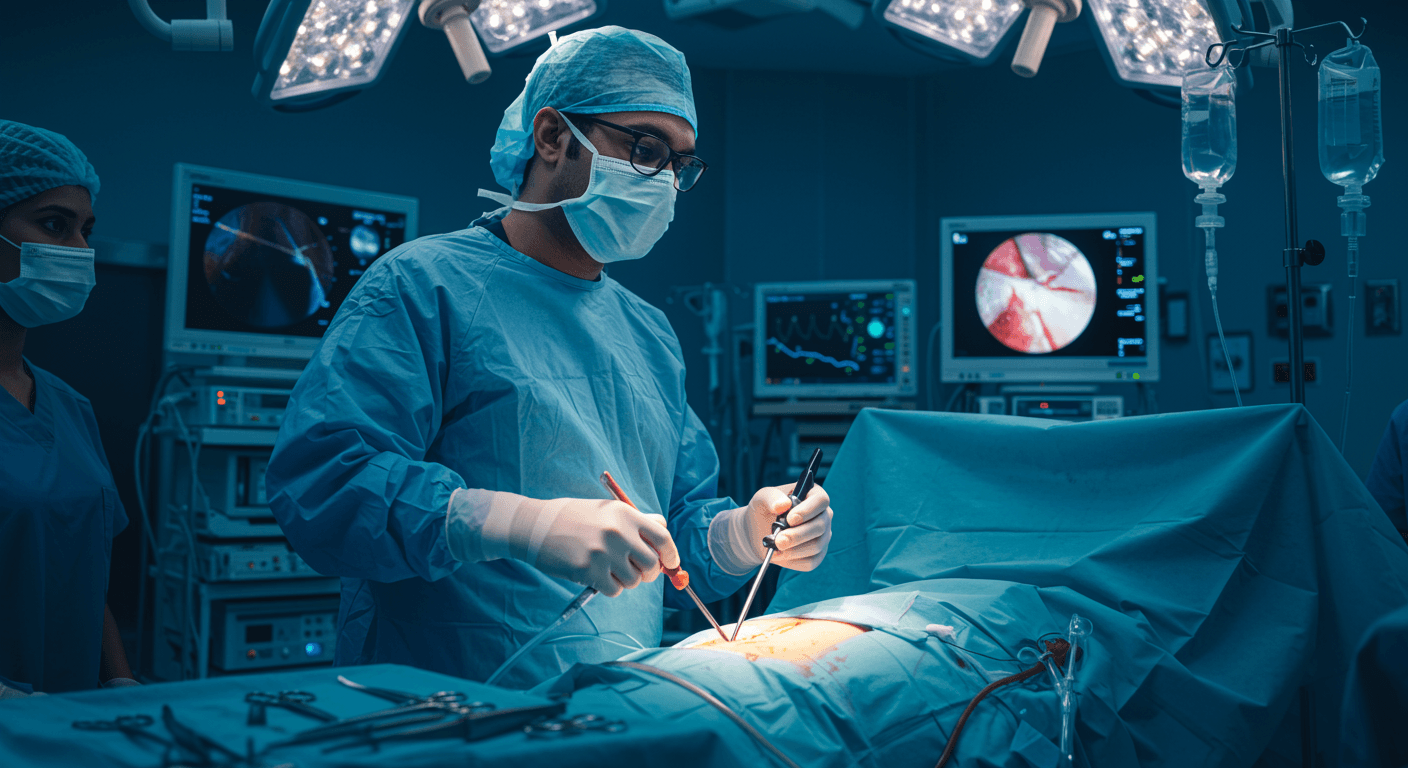
In this procedure, a specialized laser probe is passed through the fistula tract. The laser energy works from the inside to remove infected tissue, seal the tract, and sterilize the area. This controlled heat helps in closing the fistula from within while preserving surrounding healthy tissue.
One of the biggest advantages of laser treatment for fistula is the precision closure of the fistula tract. Because the laser targets only the infected lining, there is minimal damage to the anal sphincter muscles, significantly reducing the risk of fecal incontinence.
Patients usually experience less pain, minimal bleeding, and faster recovery. Most individuals are able to return to daily activities within a short period. By reducing tissue trauma, laser treatment promotes healing and lowers the chances of recurrence when performed by an experienced fistula doctor.
While laser treatment is highly effective, certain fistulas—especially complex or deep ones—may require conventional fistula surgery for complete resolution. The choice of surgery depends on the anatomy of the fistula and its relationship with the sphincter muscles.
Fistulotomy is commonly used for simple cases. In this procedure, the surgeon opens the fistula tract and allows it to heal naturally from inside out, ensuring complete removal of the fistula.
For more complex cases, the fistula tract LIFT procedure is performed. This technique involves isolating and closing the tract between the sphincter muscles, helping remove infected tissue without damaging muscle control.
Advancement flap surgery is used when the internal opening needs to be closed safely. Healthy tissue is advanced to cover the opening after clearing the infection. In selected cases, fibrin glue may be used to seal the fistula tract and support healing.
Every surgical procedure aims to remove infected tissue and close the internal fistula opening while preserving normal anal function. When done by skilled surgeons, surgical treatment offers excellent long-term results.
| Factor | Laser Treatment for Fistula | Conventional Fistula Surgery |
|---|---|---|
| Pain Level | Minimal | Moderate |
| Hospital Stay | Usually day care | May require short admission |
| Risk of Fecal Incontinence | Very low | Depends on fistula complexity |
| Healing Time | Faster | Longer |
| Recurrence Rate | Low when properly selected | Low with expert surgery |
This comparison helps patients understand why treatment selection should always be guided by an experienced fistula doctor in Gurgaon rather than a one-size-fits-all approach.
Successful fistula treatment does not end in the operation theatre. Post operative care plays a vital role in ensuring complete healing and preventing recurrence.
Pain is usually manageable with prescribed medications, especially after laser treatment. Maintaining a balanced diet rich in fiber helps regulate bowel movements and reduces strain during recovery.
Patients are advised to take a daily sitz bath, which helps maintain hygiene, reduces discomfort, and supports faster healing of the surgical area. Proper wound care instructions are provided to avoid infection.
Regular follow-up visits allow the surgeon to monitor healing progress and address any concerns early. Following post-treatment guidelines carefully ensures a smoother recovery and long-term relief from fistula symptoms.
Choosing the right hospital is just as important as choosing the right doctor when it comes to fistula treatment. At SilverStreak Hospital, fistula care is built around precision, safety, and long-term results—not shortcuts.
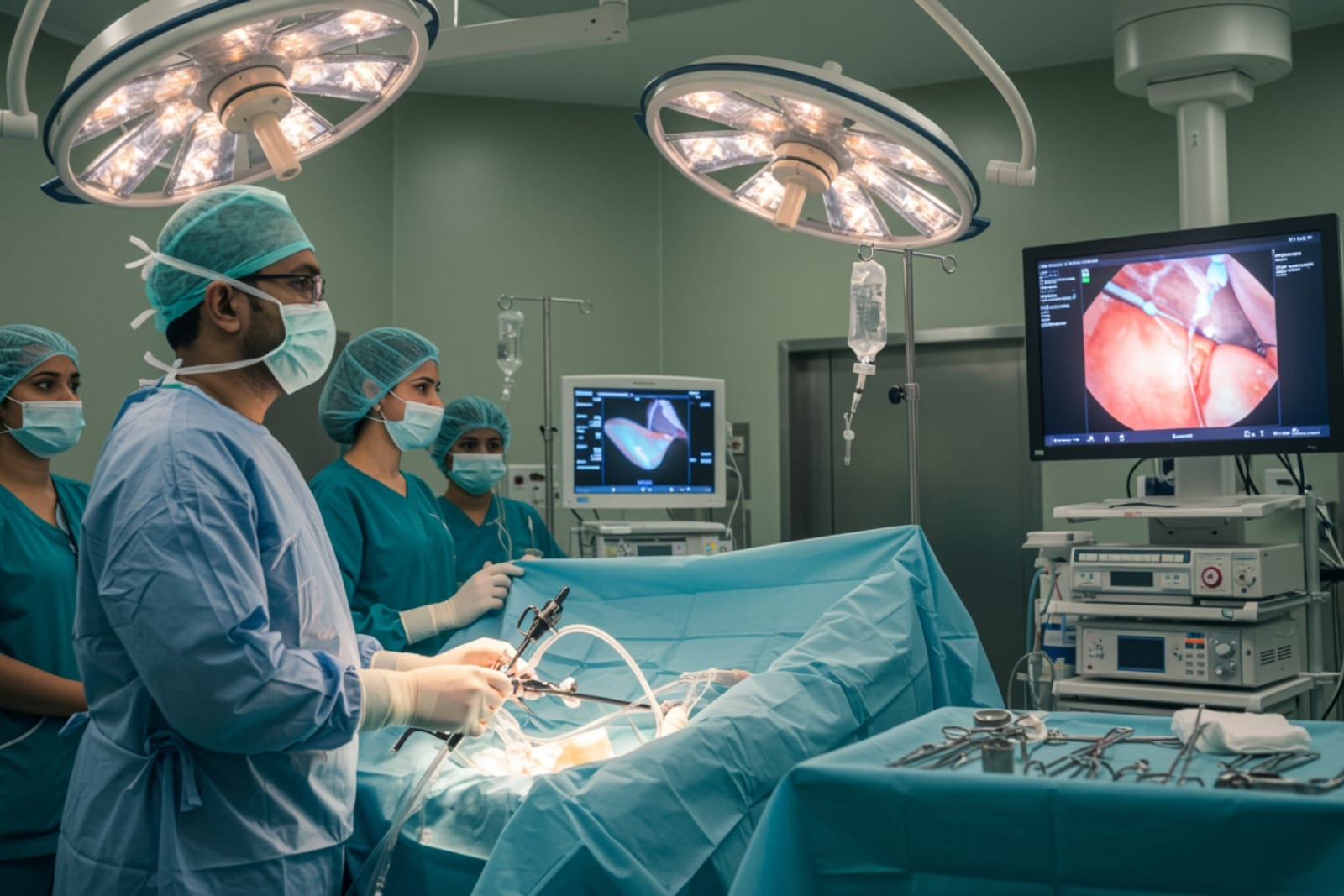
The hospital is equipped with advanced laser and laparoscopic infrastructure, allowing doctors to treat both simple and complex fistulas using modern, minimally invasive techniques. This reduces pain, shortens recovery time, and improves overall outcomes for patients.
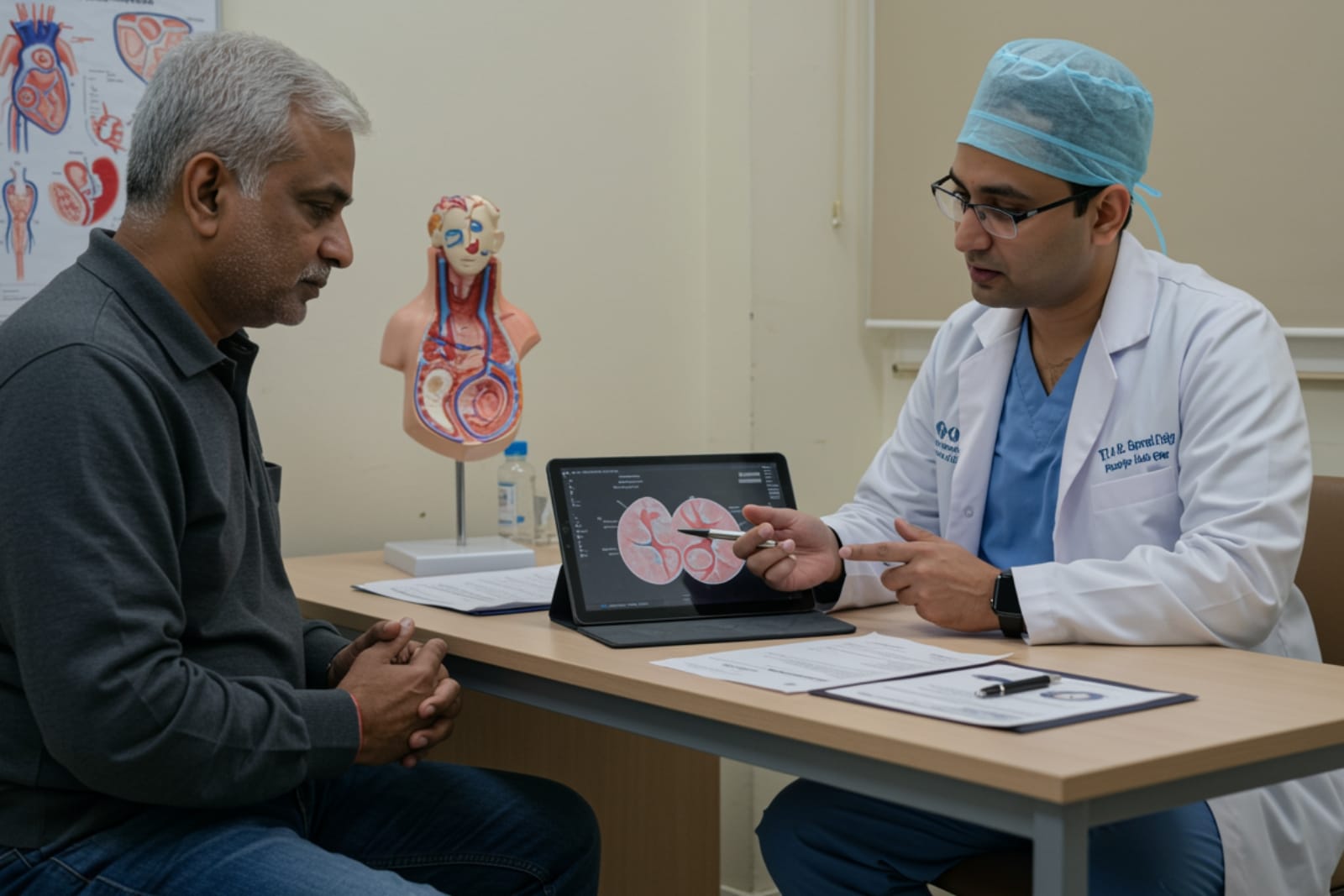
What truly sets SilverStreak apart is its ethical, patient-first approach. Every case is carefully evaluated, and treatment options are explained clearly so patients can make informed decisions without pressure. There is no “one treatment for all” approach—each plan is customized.
The hospital has a high success rate in complex fistulas, including recurrent and deep cases that often fail elsewhere. With transparent treatment planning, patients know exactly what procedure is recommended, why it is needed, and what recovery will look like—building trust at every step.
If you are struggling with pain, discharge, or recurring infection due to an anal fistula, timely expert care can make a significant difference. At SilverStreak Hospital, patients receive safe, ethical, and advanced treatment focused on complete healing and long-term comfort.
📞 +91-124-432-4444
🏥 Book OPD Consultation at SilverStreak Hospital
📍 Sector 87, Gurgaon
Early diagnosis and proper treatment can prevent complications and repeated infections. Book your consultation today with the best fistula doctors in Gurgaon and take the first step toward a pain-free, healthier life.
The best fistula doctor in Gurgaon is one who has proven experience in diagnosing and treating all types of anal fistulas—including simple, complex, and recurrent cases. Such a specialist should be well-versed in both laser treatment for fistula and advanced surgical techniques, so the treatment is chosen based on the patient’s condition, not a one-size-fits-all approach.
At SilverStreak Hospital, fistula care is led by Dr. Utkarsh Gupta and Dr. Paras Kumar Gupta, both highly experienced laparoscopic and general surgeons. Their approach focuses on accurate diagnosis, complete removal of infected tissue, protection of anal sphincter muscles, and long-term healing. Patients trust them for their precision, ethical guidance, and patient-first care—making them among the most trusted fistula doctors in Gurgaon.
Laser treatment is an excellent and modern option for many patients, especially those with uncomplicated or moderately complex fistulas. It offers several advantages such as less pain, minimal bleeding, faster healing, and a quicker return to daily activities. Because laser treatment targets the infected tract precisely, it also helps protect the anal sphincter muscles.
However, not all fistulas are suitable for laser treatment alone. Complex, deep, or branching fistulas may still require surgical intervention for complete healing. This is why consultation with an experienced fistula surgeon is essential to decide the most effective treatment method.
Recovery after fistula treatment depends on the type of procedure performed and the complexity of the fistula. Most patients begin to feel comfortable within a few days, while complete healing generally takes 7 to 14 days.
Laser treatment usually allows faster recovery with minimal discomfort. Surgical cases may take slightly longer, especially if the fistula is complex. Following post-operative care instructions, maintaining hygiene, and attending follow-up visits help ensure smooth and complication-free recovery.
Fistula recurrence is possible but uncommon when treatment is done correctly. The risk of recurrence is significantly reduced when the fistula is accurately diagnosed, completely treated, and managed by an experienced surgeon using advanced techniques.
At SilverStreak Hospital, careful pre-operative evaluation and personalized treatment planning help minimize recurrence. Proper post-operative care and regular follow-ups further ensure long-term success.
Many patients worry about pain before fistula treatment, but modern medical techniques have made the procedure far more comfortable than in the past. Laser treatment and minimally invasive surgeries significantly reduce pain, tissue damage, and recovery time.
Pain after the procedure is usually mild to moderate and can be effectively managed with medications. Most patients are able to resume normal activities much sooner than expected.