Best Migraine Specialist Doctor in Gurgaon – Expert Care at SilverStreak Hospital
-






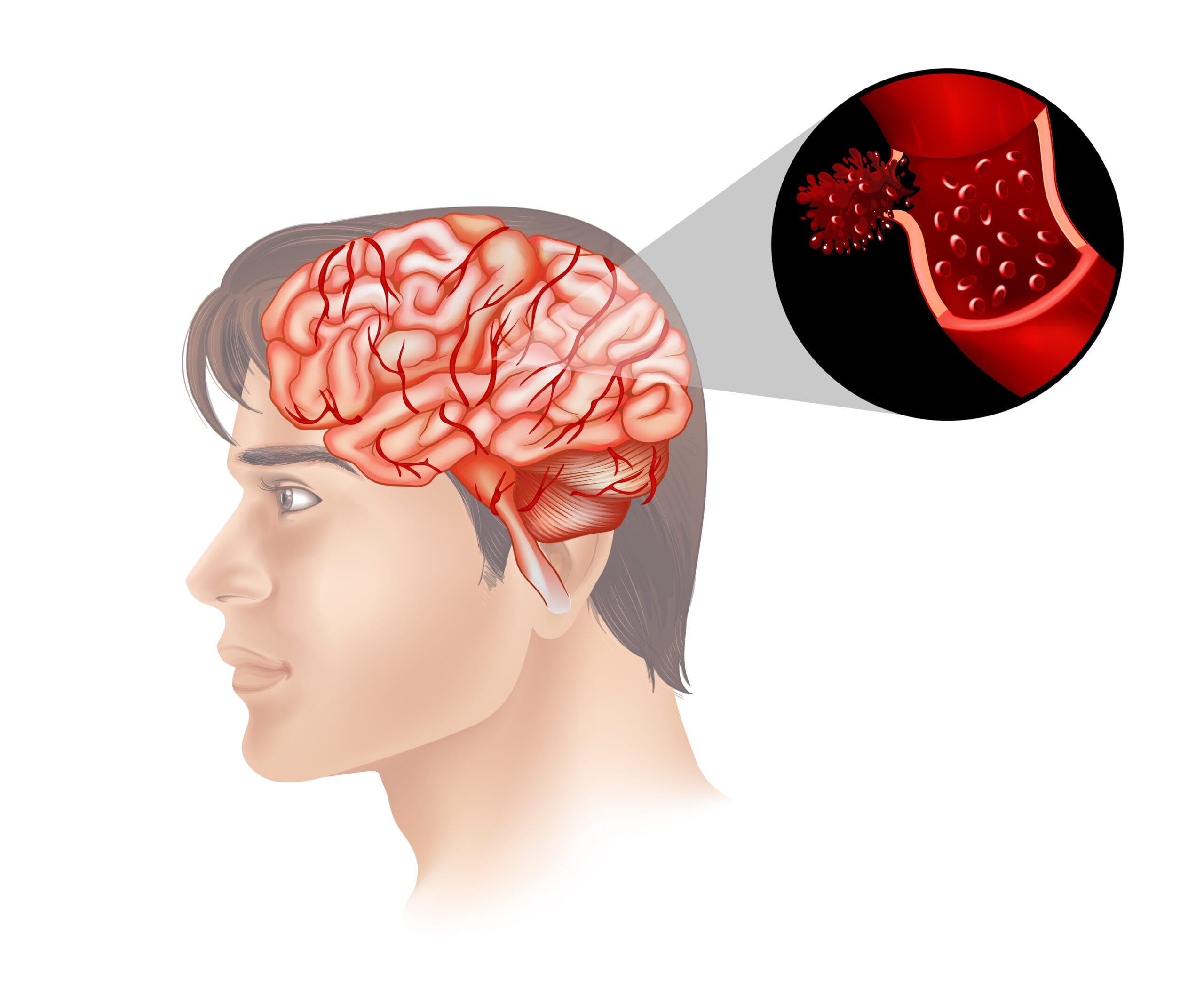
A migraine doctor treats more than just headaches. A migraine specialist focuses on diagnosing and managing a complex neurological condition that can significantly affect your daily life. Migraine is a medical disorder of the brain and nervous system, often causing severe head pain along with nausea, sensitivity to light or sound, and extreme fatigue.
When migraines are left untreated, they can start affecting work performance, sleep quality, emotional health, and overall productivity. Many patients struggle with recurring attacks that interfere with family life, social activities, and mental well-being. Relying only on painkillers often provides temporary relief but does not address the underlying neurological cause.
At SilverStreak Hospital, Gurgaon, migraine care is designed to identify the root cause of migraine attacks and provide long-term relief. Patients receive structured evaluation, personalized treatment plans, and neurological expertise under the supervision of a trusted migraine specialist, supported by advanced diagnostic facilities.
Migraine management at SilverStreak Hospital is led by India’s leading neurosurgeon Dr. V K Gupta, ensuring accurate diagnosis, evidence-based treatment, and compassionate care for both common and complex migraine cases.
When migraines become frequent, severe, or disabling, expert neurological care makes a real difference. At SilverStreak Hospital, migraine care is guided by डॉ. वीके गुप्ता, widely regarded as the best migraine specialist doctor in Gurgaon for complex and long-standing neurological conditions. His deep understanding of brain and nerve disorders allows him to diagnose migraines accurately and rule out serious neurological causes.
Dr. V.K. Gupta’s academic and professional background reflects decades of excellence in neurosurgery and neuro care:
This strong foundation enables him to manage migraine cases with precision, safety, and confidence.
Patients from across India seek care under Dr. Gupta for migraine and other neurological conditions because of his unmatched experience and patient-focused approach.
His expertise as a neurosurgeon for migraine ensures that patients receive thorough evaluation, accurate diagnosis, and long-term migraine control rather than temporary symptom relief. Many patients also recognize him as one of the best neuro doctors in Gurgaon for ethical, evidence-based treatment.
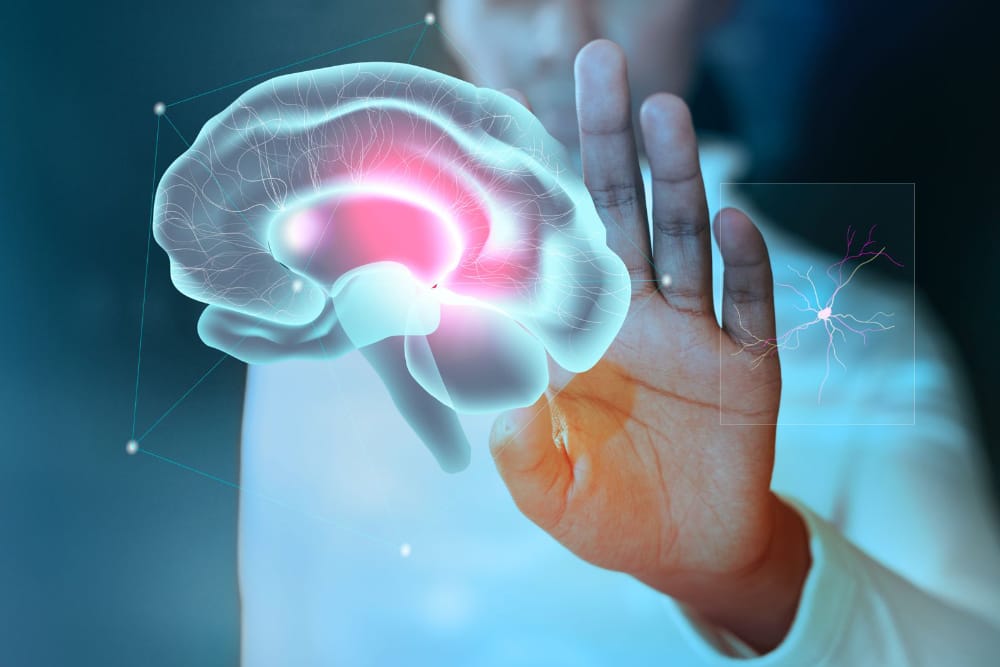
Migraine is a neurological disorder, not a simple headache. It causes repeated episodes of moderate to severe head pain that can last for hours or even days. Along with pain, migraine often affects how the brain processes light, sound, and sensory input.
Common migraine headache symptoms include throbbing pain on one side of the head, nausea, vomiting, sensitivity to bright lights, loud noises, and difficulty concentrating. Many people also experience extreme tiredness during or after an attack.
A normal headache usually causes mild to moderate discomfort and improves with rest or basic medication. It rarely disrupts daily activities.
A migraine, however:
This clear difference between headache vs migraine explains why migraine needs evaluation by a trained migraine doctor rather than general pain treatment.
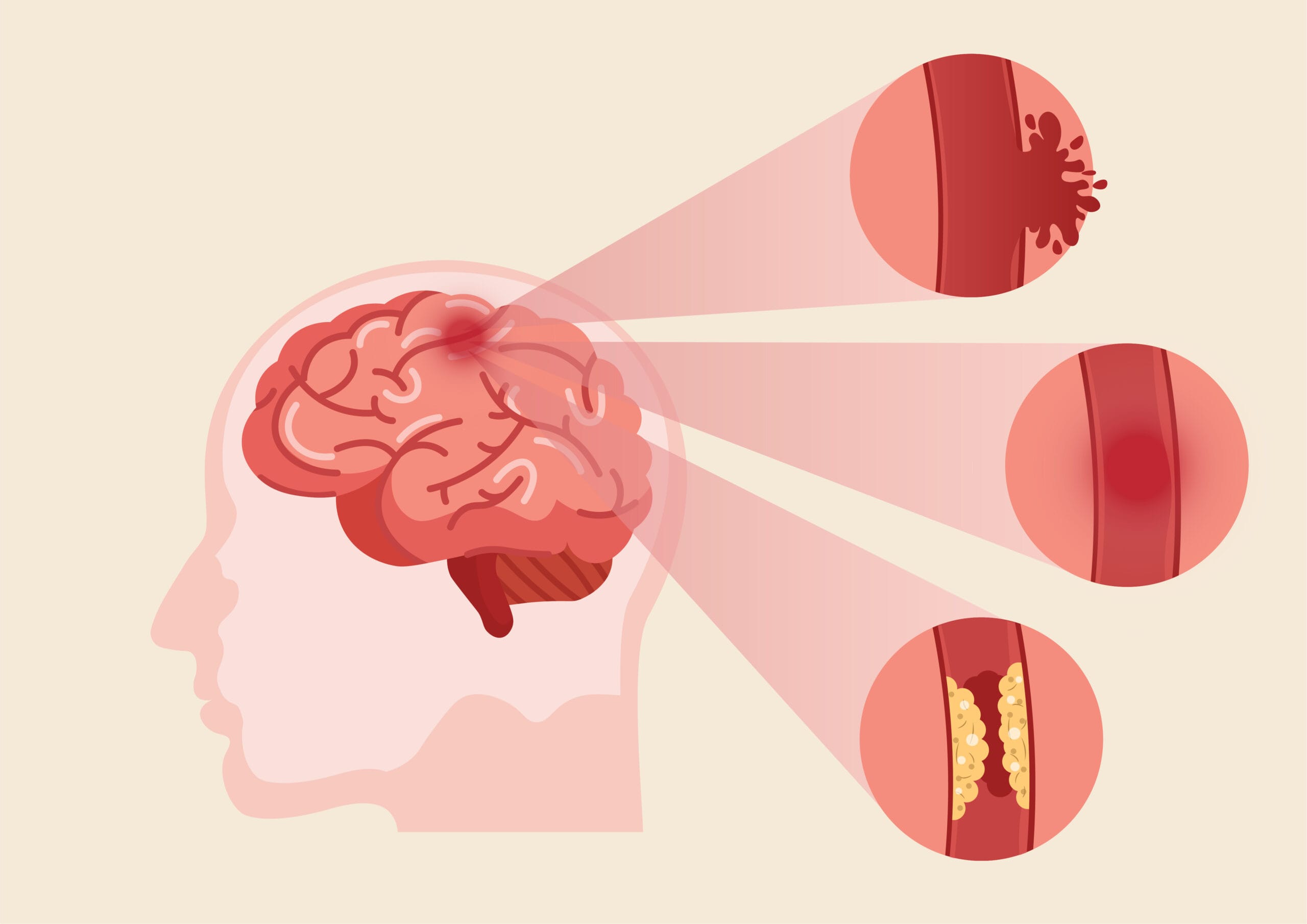
Migraine develops due to changes in how the brain, nerves, and blood vessels communicate. During an attack, abnormal nerve signals trigger inflammation and pain pathways in the brain. Factors such as stress, hormonal changes, sleep problems, diet, and genetics can increase the frequency and severity of migraine episodes.
Because migraine is a brain-related condition, timely care from a migraine specialist in Gurgaon is essential for long-term control and improved quality of life.
Migraine symptoms often go beyond head pain and can worsen over time if ignored. Many patients delay treatment, assuming symptoms will settle on their own. Recognizing early warning signs and consulting a migraine doctor can help prevent frequent attacks and long-term discomfort.
One of the most noticeable signs of migraine is severe migraine pain that feels throbbing or pulsating. This pain may occur on one side of the head or sometimes affect both sides. Unlike a routine headache, the pain often increases with movement or physical activity.
Nausea and vomiting are also common during migraine attacks. These symptoms can make it difficult to eat, drink, or take medications properly. Many patients also develop strong sensitivity to light and sound, preferring to rest in a dark, quiet room until the attack passes.
Some people experience migraine with aura, which includes temporary neurological changes before or during a migraine attack. These may appear as blurred vision, zigzag lines, or flashing lights that interfere with normal eyesight.
Dizziness and a sense of imbalance can occur, making it unsafe to drive or walk comfortably. In certain cases, patients notice tingling or numbness in the face, hands, or arms. These neurological symptoms signal that the brain and nerves are actively involved, which is why specialist evaluation is important.
Early attention to these symptoms allows a migraine specialist to identify the pattern, rule out other neurological conditions, and start targeted treatment.
Understanding the causes of migraine helps reduce attack frequency and severity. Migraine does not have a single cause; instead, it develops due to a combination of neurological sensitivity and external triggers.
Stress is one of the most common migraine triggers. Emotional stress, anxiety, or sudden relaxation after a stressful period can initiate an attack. Sleep disturbances, such as lack of sleep or irregular sleep schedules, also affect how the brain regulates pain.
Hormonal changes play a major role, especially in women. Fluctuations during menstrual cycles, pregnancy, or menopause often trigger migraines. Certain foods, including processed foods, aged cheese, caffeine, and artificial sweeteners, may also act as triggers in sensitive individuals.
Excessive screen exposure from phones, laptops, or bright lights can strain the nervous system and provoke migraine attacks. In addition, genetic factors influence migraine risk, making it more common in individuals with a family history of migraines.
When these triggers occur frequently, they may lead to chronic migraine, where headaches happen on multiple days each month. A structured evaluation by a migraine doctor in Gurgaon helps identify personal triggers and develop a long-term management plan for sustained relief.
Migraine is not the same for every patient. The frequency, intensity, and associated symptoms vary widely, which is why evaluation by a migraine specialist is important. At SilverStreak Hospital, migraine doctors focus on identifying the exact type of migraine before recommending advanced migraine treatment tailored to the patient’s condition.
Chronic migraine is diagnosed when headaches occur on 15 or more days in a month, with migraine features present on several of those days. Patients often experience constant head discomfort, frequent nausea, and sensitivity to light or sound. Chronic migraine treatment focuses on long-term prevention, trigger control, and reducing dependency on pain medications.
Episodic migraine involves fewer attacks, usually occurring a few times a month. Although less frequent, the pain can still be intense and disabling. Early treatment helps prevent episodic migraine from progressing into a chronic condition.
Migraine with aura includes temporary neurological symptoms such as visual disturbances, tingling sensations, or speech difficulty before the headache begins. These symptoms can be frightening, which is why a migraine specialist carefully evaluates and manages this type to rule out other neurological conditions.
Hormonal migraine commonly affects women and is linked to changes in estrogen levels. Attacks may occur around menstruation, pregnancy, or menopause. Treatment focuses on hormonal balance, lifestyle modification, and preventive therapies to reduce attack frequency.
Frequent use of painkillers for headaches can actually worsen migraine symptoms over time. This condition leads to daily or near-daily headaches. Migraine specialists address this by gradually reducing medication overuse and introducing preventive treatment strategies.
Proper classification of migraine type allows doctors to choose the most effective and safest treatment approach, leading to better long-term control and improved quality of life.
Many people live with migraines for years before seeking specialist care. Consulting a migraine doctor in Gurgaon at the right time can prevent worsening symptoms and reduce attack frequency.
You should consult a specialist if migraine attacks occur more than twice a month or if the pain starts affecting your work, sleep, or daily routine. Frequent reliance on painkillers is another warning sign, as it may lead to medication-overuse headaches.
Migraines accompanied by vision problems, dizziness, numbness, or other neurological symptoms require prompt evaluation by a migraine specialist near you. These symptoms need expert assessment to ensure accurate diagnosis and safe treatment.
If headaches are becoming more severe, more frequent, or harder to control, it is advisable to consult the best doctor for migraine headache management.
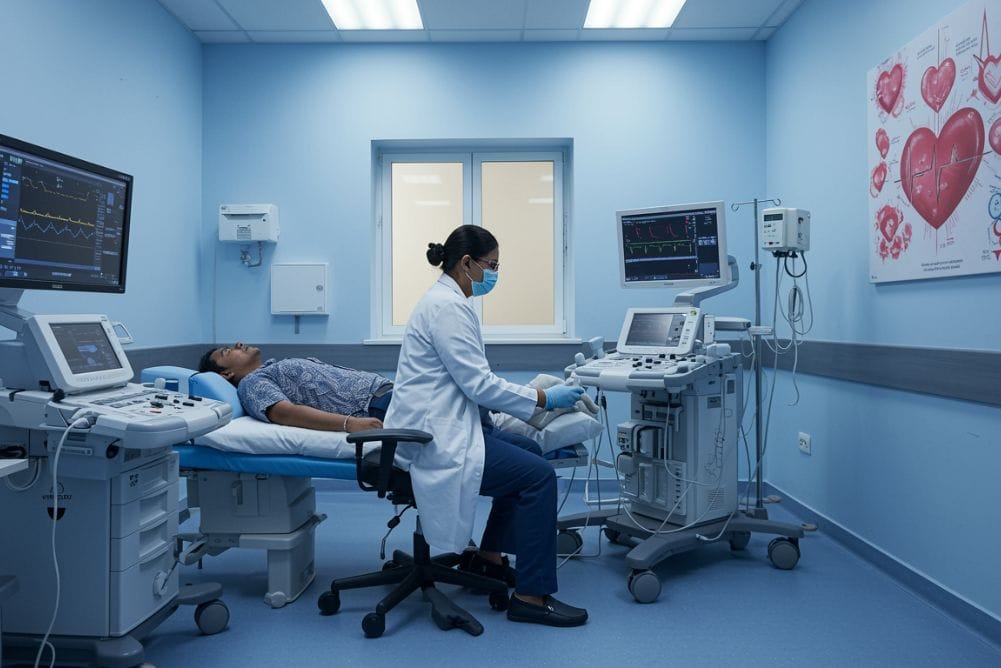
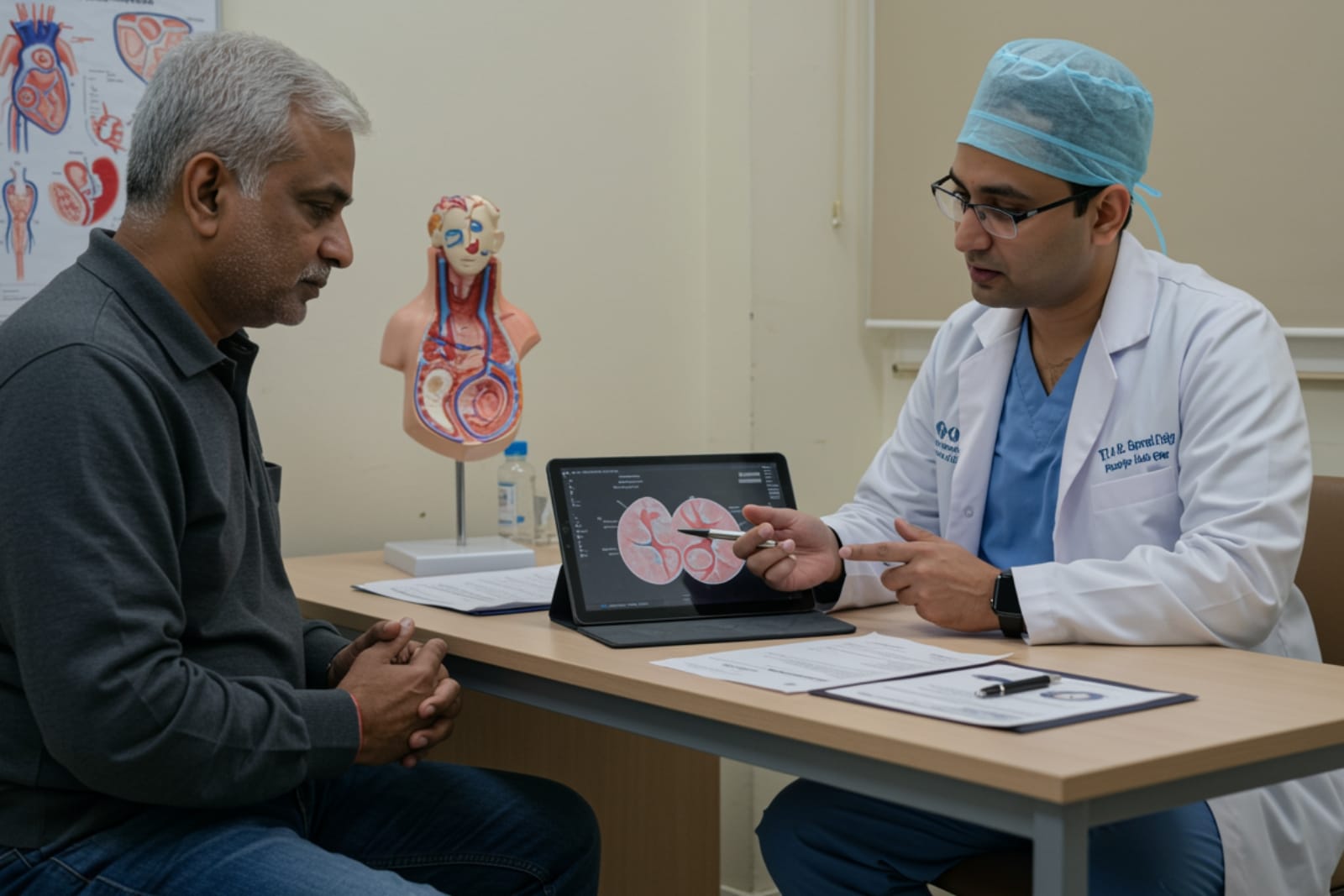
Accurate migraine diagnosis is the foundation of effective treatment. At SilverStreak Hospital, every patient is evaluated by an experienced neurologist for migraine to understand the exact cause, pattern, and severity of symptoms.
The migraine doctor begins with a thorough neurological examination. This helps assess headache patterns, associated symptoms, and any warning signs that may indicate a more serious condition.
Migraine attacks are often linked to daily habits. Doctors carefully review sleep patterns, stress levels, diet, screen exposure, and hormonal factors to identify personal migraine triggers.
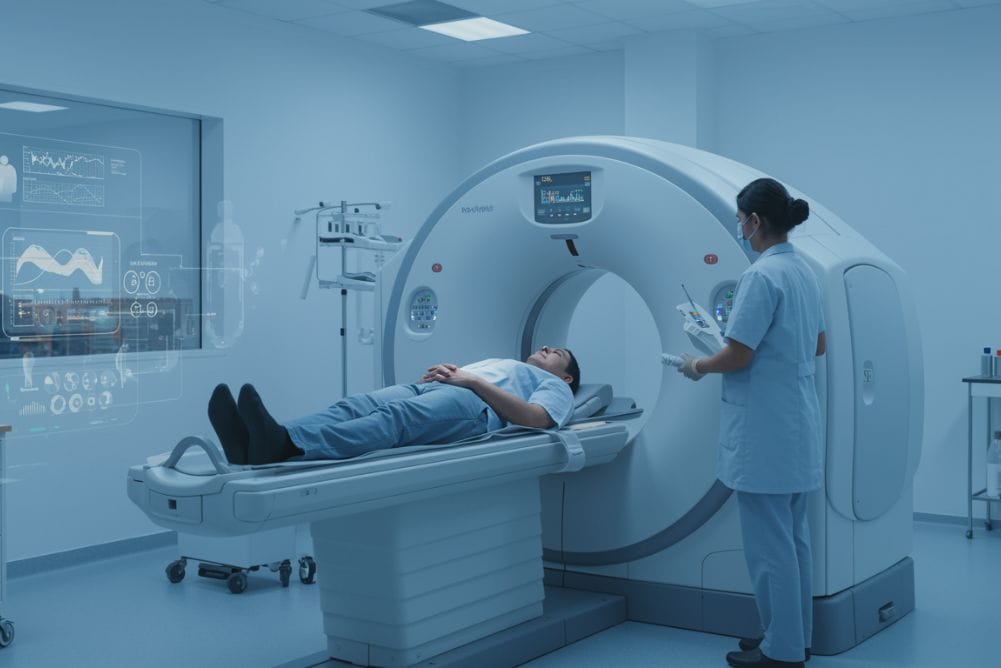
In selected cases, imaging such as MRI or CT scan may be advised. These tests help rule out structural brain problems and provide reassurance to the patient.
Symptoms like sudden severe headaches, vision changes, or weakness need careful evaluation. The diagnostic approach ensures that conditions such as tumors, stroke, or nerve disorders are excluded before confirming migraine.
This structured diagnostic process allows doctors to plan precise, long-term migraine management instead of offering temporary pain relief.
Effective migraine care goes beyond painkillers. At SilverStreak Hospital, migraine treatment in Gurgaon is personalized based on migraine type, frequency, and patient lifestyle.
Treatment includes preventive medications that reduce attack frequency and severity, along with acute pain relief strategies for sudden migraine episodes. The goal is to restore daily function while minimizing medication dependence.
Doctors guide patients on sleep regulation, diet planning, hydration, and stress management. Small lifestyle changes often play a major role in long-term migraine pain relief treatment.
For patients with severe or chronic migraine, advanced therapies such as injection-based treatments may be recommended where clinically indicated. Care is delivered through a multidisciplinary neuro team to ensure safe and effective outcomes.
This combination of medical and lifestyle-based care helps patients achieve sustained migraine control and improved quality of life.
If migraine pain is disrupting your work, sleep, or personal life, expert neurological care is available at SilverStreak Hospital, Gurgaon.
📞 +91-124-432-4444
🏥 Book OPD Consultation at SilverStreak Hospital
📍 Silverstreak Multispeciality Hospital Sector 87, Gurgaon
Timely diagnosis and specialist treatment can help you regain control over migraines and return to a healthier, more comfortable, and productive life.
If you are experiencing repeated or severe headaches, it is best to consult a migraine specialist or neurologist who regularly treats headache disorders. A specialist does more than prescribe painkillers. They identify the root cause, understand your triggers, confirm whether it is truly migraine, and create a long-term plan to reduce attacks and improve daily life.
Migraine is usually a long-term neurological condition, so it may not always have a permanent cure. However, with the right treatment approach, migraines can be well controlled. Many patients experience fewer attacks, less severe pain, and longer migraine-free periods, allowing them to work, sleep, and function normally.
Migraine is a neurological disorder involving the brain and nerves. It is not typically life-threatening, but it can be debilitating if left untreated. Severe, frequent, or changing migraine patterns should always be evaluated by a specialist to rule out other neurological conditions and ensure safe treatment.
You should consult a migraine doctor if headaches:
Early specialist care can prevent migraines from becoming chronic.
Not every migraine patient needs a scan. Doctors recommend imaging such as MRI or CT only when symptoms suggest something beyond migraine, such as sudden severe headache, weakness, or neurological changes. This approach avoids unnecessary tests while ensuring patient safety.