

10 Common Gastrointestinal Disorders: Causes and Treatment

Author:
Dr. Abhijeet Ranjan
Consultant - Gastroenterology
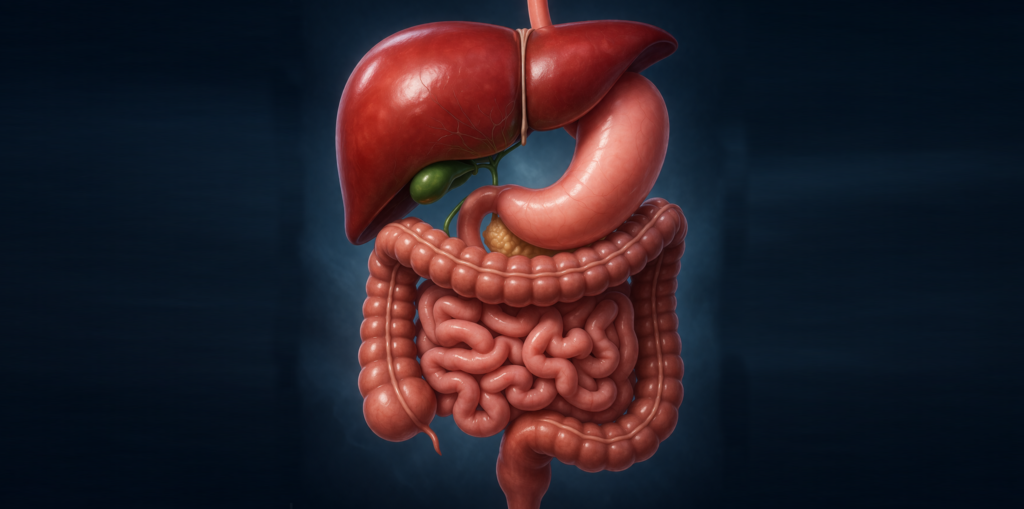
The human digestive system is very crucial in the breakdown of food, absorption of nutrients and also elimination of waste. Nevertheless, common gastrointestinal disorders can disturb daily lives and the health of many people. Knowing these states, symptoms of the diseases, causes and treatment can assist you to cope with them successfully and be able to get better in terms of digestive health conditions. In this article, we will discuss a list of gastrointestinal disorders, its causes, and treatment.
What are Gastrointestinal Disorders?
Gastro intestinal disorders are the family of illnesses which influence the digestive system and these include stomach, intestines, esophagus, and other related organs. These diseases of the digestive system may include mild discomfort and chronic diseases that may demand a prolonged approach.
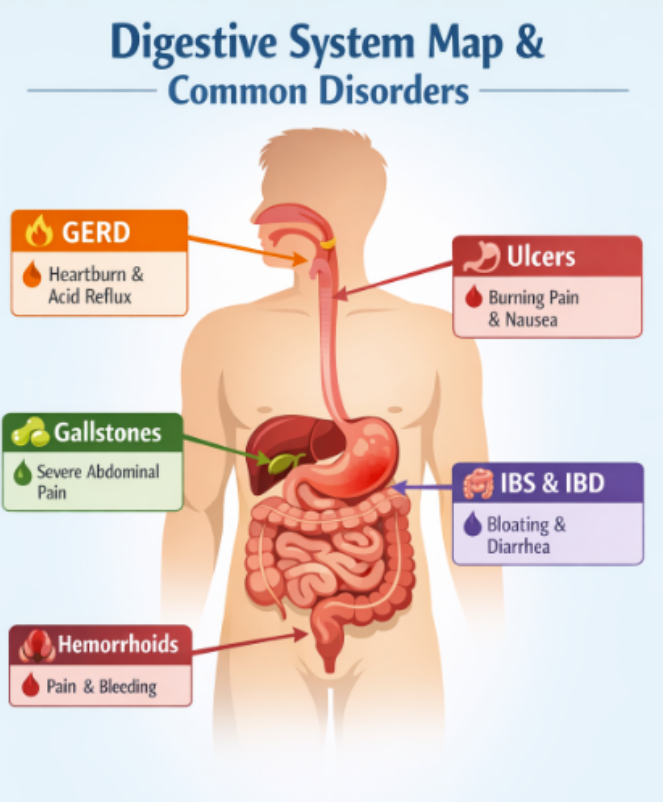
1. Gastroesophageal -Reflux disease (GERD)
GERD is a condition where stomach acid frequently flows back into the esophagus, causing irritation and discomfort.
Common Symptoms of GERD
- Heartburn
- Acid reflux
- Chest discomfort
What are the Causes
Treatment of gastroesophageal reflux disease (GERD) occurs when the stomach acid remains regularly directed into the esophagus. Poor eating habits, or obesity, are usually the cause of it, coupled with weak muscles in the lower part of the esophagus.
How we treat
- Lifestyle modifications (do not eat spicy/fatty foods)
- Antacids and medications
- Lifting the head when sleeping.
2. Irritable Bowel Syndrome (IBS)
IBS is a functional digestive disorder that affects bowel movements and causes discomfort without visible damage to the intestines.
Common Symptoms of (IBS)
- Abdominal pain
- Bloating
- Changes in bowel habits
What are the Causes
Its cause is not known exactly, although there is stress and dietary/gut sensitivity. The early recognition of the symptoms of irritable bowel syndrome (IBS) can be utilized to manage it.
How we treat
- High-fiber diet
- Stress management
- Probiotics and medications
3. Peptic Ulcers
Peptic ulcers are open sores that develop on the inner lining of the stomach or small intestine.
Common Symptoms of Peptic Ulcers
- Burning stomach pain
- Nausea
- Bloating
What are the Causes
The causes and treatment of peptic ulcers mostly include bacterial infection ( H. pylori ) or chronic use of NSAID.
How we treat
- Antibiotics
- Acid-reducing medications
- The prevention of alcohol and smoking.
4. Inflammatory Bowel Disease (IBD)
IBD includes chronic inflammatory conditions like Crohn’s disease and ulcerative colitis affecting the digestive tract.
Common Symptoms of (IBD)
- Chronic diarrhea
- Fatigue
- Weight loss
What are the Causes
Crohn's disease and ulcerative colitis are part of the inflammation bowel disease (IBD) which is caused by the failure of the immune system.
How we treat
- Anti-inflammatory drugs
- Immunosuppressants
- Surgery in severe cases
5. Constipation
Constipation is a condition where bowel movements become infrequent or difficult to pass.
Common Symptoms of Constipation
- Infrequent bowel movements
- Hard stools
- Straining
What are the Causes
Ineffective eating, lack of water, and immobility are significant factors of constipation remedies.
How we treat
- Increased fiber intake
- Drinking more water
- Regular exercise
6. Diarrhea
Diarrhea is a condition characterized by frequent loose or watery stools.
Common Symptoms of Diarrhea
- Loose stools
- Abdominal cramps
- Dehydration
What are the Causes
Common causes of diarrhea and trigger of the treatment are infections, food intolerance, or stress.
How we treat
- Hydration (ORS)
- Avoiding contaminated food
- Medications if necessary
7. Bloating and Indigestion
This condition causes a feeling of fullness and discomfort after eating due to improper digestion.
Common Symptoms of Bloating and Indigestion
- Fullness
- Gas
- Discomfort after eating
What are the Causes
Causes of bloating and indigestion are overeating, gas accumulation, or intolerance of food.
How we treat
- Eating slowly
- Eliminating gas forming foods.
- Digestive enzymes
8. Celiac Disease
Celiac disease is an autoimmune disorder where the body reacts negatively to gluten.
Common Symptoms of Celiac Disease
- Diarrhea
- Weight loss
- Nutritional deficiencies
What are the Causes
Aggressive response to gluten is an autoimmune reaction that destroys the small intestine.
How we treat
- Strict gluten-free diet
- Nutritional supplements
9. Gallstones
Gallstones are hardened deposits that form in the gallbladder due to imbalance in bile composition.
Common Symptoms of Gallstones
- Severe abdominal pain
- Nausea
- Vomiting
What are the Causes
The lack of balance in bile materials will cause stone formation.
How we treat
- Medications
- Detection of surgical (cholecystectomy) removal.
10. Hemorrhoids
Hemorrhoids are swollen veins in the lower rectum or anus that cause discomfort and bleeding.
Common Symptoms of Hemorrhoids
- Pain during bowel movements
- Bleeding
- Itching
What are the Causes
Straining, constipation and prolonged sitting are typical stomach conditions and a medical issue associated with hemorrhoids.
How we treat
- High-fiber diet
- Topical creams
- Surgery in severe cases
Causes of Gastrointestinal Disorders
Gastrointestinal disorders are caused by several factors that include:
- Unhealthy diet and eating patterns.
- Stress and anxiety
- Infections and bacteria
- Genetic factors
- Lack of physical activity
The ability to identify the signs of gastrointestinal diseases in early stages will allow them to avoid complications.
Treatment for Gastrointestinal Disorders
Gastrointestinal disorders are treated depending on the disorder but may involve:
- Medications (antacids, antibiotics, probiotics)
- Dietary changes
- Lifestyle modifications
- Mechanisms of stress management.
- Severe conditions may also need surgery.
How to Enhance Gastrointestinal Performance
A healthy digestive system is a requirement to avoid the prevalence of digestive disorders. The following are a few of the ideas on how to enhance the state of the digestion:
- Have a low fat and high fiber diet.
- Stay hydrated
- Exercise regularly
- Do not eat processed foods and spicy foods.
- Manage stress effectively
Conclusion
Being aware of the most prevalent gastrointestinal disorders can help you take proactive steps to improve your health. Conditions such as GERD, IBS, ulcers, and constipation can often be managed with proper care, diet, and medication. In case you develop persistent symptoms, a healthcare professional should examine you so that he or she can diagnose and treat you correctly. Early detection becomes the most important to have a healthy digestive system and well-being. If you’re experiencing ongoing digestive issues, it’s best to consult an expert gastrointestinal doctor in Gurgaon for proper diagnosis and treatment.
Author:
Dr. Abhijeet Ranjan
Consultant - Gastroenterology