PCOS Symptoms, Causes and Treatment Options Explained
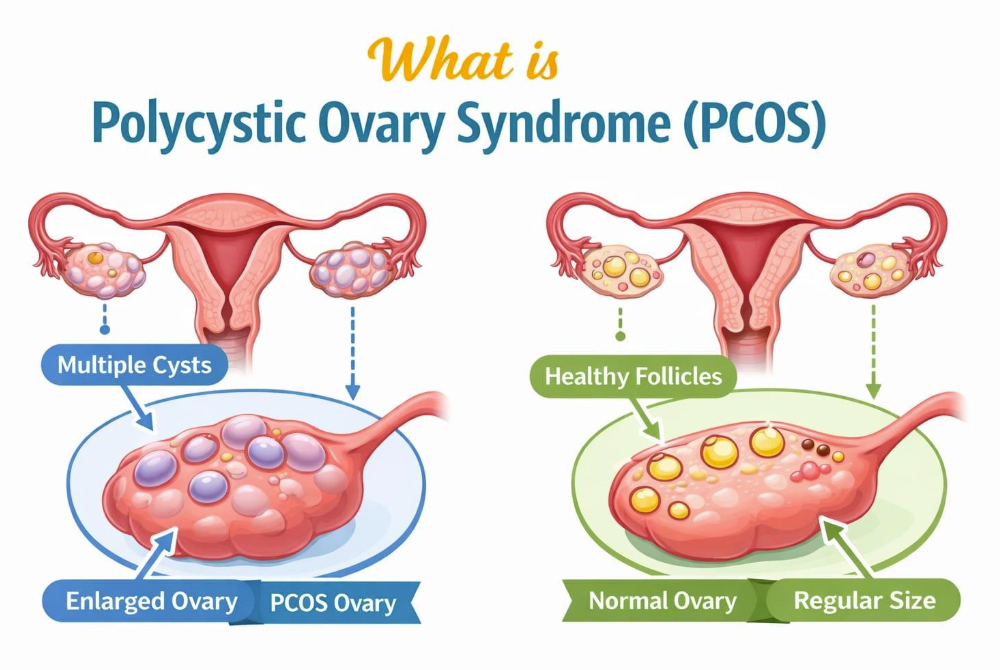
Comparison of normal ovary and PCOS ovary
Author:
Dr. Swapnil Agrahari
Consultant - Obs & Gynaecology
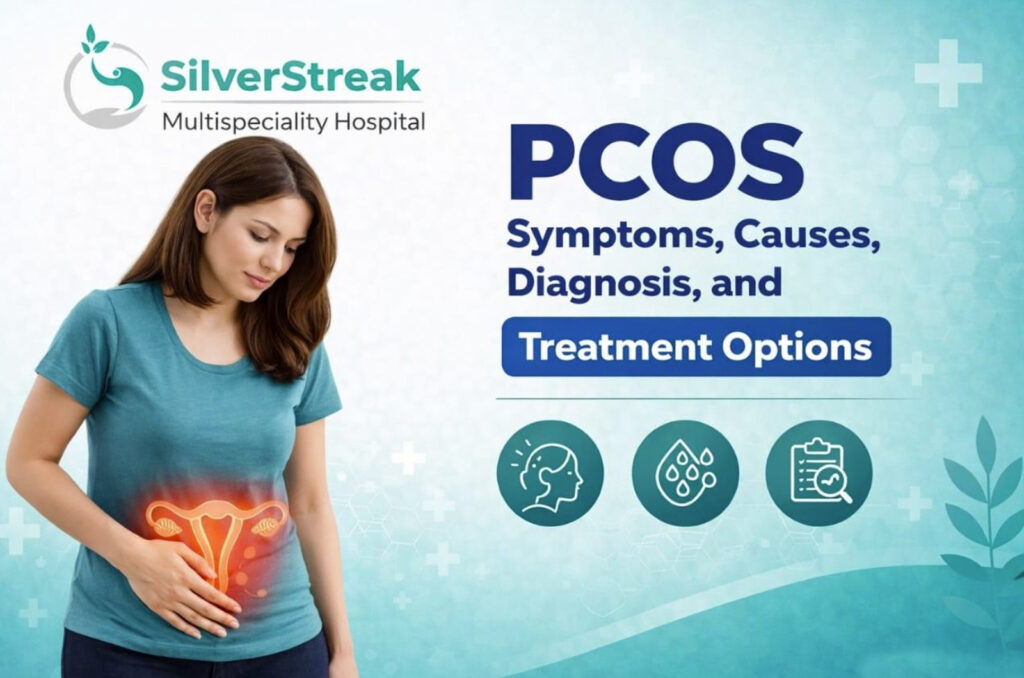
PCOS: Symptoms, Causes, Diagnosis, and Treatment Options
Polycystic Ovary Syndrome (PCOS) is one of the most prevalent hormonal conditions affecting women of reproductive age. It affects not only menstrual health but also skin, metabolism, emotional health, and fertility. Despite being common, many women do not receive a diagnosis because they are unaware of it. PCOS is a hormonal disorder that causes the ovaries to overproduce androgens, or male hormones, which can cause irregular periods, acne, weight gain, and problems with ovulation. Insulin resistance, hormone imbalance, and hereditary factors are the main causes. Blood tests, ultrasound imaging, and symptom assessment are all part of the diagnosis process. PCOS can be successfully treated with medication, medical therapies, and lifestyle modifications, even if there is no long-term solution.
PCOS: What is it?
The disorder known as polycystic ovarian syndrome (PCOS) causes an imbalance in hormones that prevents the ovaries from functioning normally. The ovaries release an egg each month during a typical menstrual cycle. Ovulation, however, may be postponed or not happen at all in women with PCOS.
This causes irregular menstruation and the development of tiny fluid-filled sacs in the ovaries, which are commonly called cysts. In reality, these cysts are immature follicles that are unable to release eggs.
PCOS is one of the main causes of infertility, affecting 10–13% of women worldwide. PCOS is complicated since it impacts not just reproductive health but also metabolic conditions, including obesity and diabetes.
Symptoms of PCOS
Common Symptoms of PCOS
The symptoms of PCOS vary from person to person. Some women may experience mild symptoms, while others may face more severe complications.
1. Irregular Periods
One of the most prevalent symptoms of PCOS is irregular menstruation. Women may experience longer bleeding, delayed cycles, or fewer periods. Periods may stop completely in certain situations.
2. Excess Hair Growth (Hirsutism)
Unwanted hair growth on the face, chest, belly, or back may result from elevated androgen levels. About 60–70% of women with PCOS have this problem.
3. Acne and Oily Skin
Persistent acne, particularly on the face, chest, and upper back, is frequently caused by hormonal imbalance. Even beyond adolescence, this acne may persist.
4. Weight Gain
Unexpected weight gain, especially around the abdomen, is common in women with PCOS. Additionally, losing weight may become more difficult.
5. Hair Thinning
Hair thinning, similar to male pattern baldness often seen in PCOS, may result in thinning of hair or hair loss from the scalp.
6. Dark Skin Patches
Acanthosis nigricans, or darkened skin, can appear around the neck, underarms, or inner thighs. Insulin resistance is frequently associated with this.
7. Fertility Issues
PCOS is one of the main reasons for infertility because irregular ovulation can make it difficult for women to conceive naturally.
What Causes PCOS?
The exact cause of PCOS is still unknown, but several underlying factors are believed to contribute to its development.
1. Insulin Resistance
One of the main causes of PCOS is insulin resistance. The body creates extra insulin to make up for ineffective cell response to insulin. The ovaries create more androgens as a result of this extra insulin, which interferes with ovulation.
2. Hormonal Imbalance
Luteinizing hormone (LH) levels are frequently greater and follicle-stimulating hormone (FSH) levels are lower in women with PCOS. Proper egg growth and release are hindered by this imbalance.
3. Genetic Factors
Given that PCOS frequently runs in families, there may be a significant hereditary component. The likelihood of getting PCOS may rise if a close relative has the condition.
4. Chronic Inflammation
Women with PCOS frequently have low-grade inflammation. The ovaries may create more androgens as a result of this inflammation.
How is PCOS Diagnosed?
The symptoms of PCOS might occasionally coincide with those of other illnesses, making diagnosis challenging. A single test cannot confirm PCOS.
Physicians typically adhere to the Rotterdam Criteria, which require the presence of at least two of the following three conditions:
1. Irregular or Absent Ovulation
Menstrual history, including irregular or skipped cycles, is used to determine this.
2. Elevated Androgen Levels
Blood tests can confirm this, or physical symptoms like acne and excessive hair growth can be used to identify it.
3. Polycystic Ovaries
Enlarged ovaries with numerous tiny follicles may be visible on an ultrasound.
Additional Tests
Doctors may also suggest the following to rule out other conditions:
- Tests for insulin and blood sugar
- Profile of lipids
- Test for thyroid function
- Panel of hormones
In order to control symptoms and avoid consequences, an early diagnosis is crucial.
Treatment Options for PCOS
1. Lifestyle Changes (First-Line Treatment)
The best and most advised initial step in controlling PCOS is changing one's lifestyle.
- Keep your diet nutrient-rich and balanced.
- Regularly work out for 30 to 45 minutes every day.
- Concentrate on losing weight gradually and sustainably.
Research indicates that even a 5–10% decrease in body weight might greatly enhance insulin sensitivity and menstrual regularity.
2. Medications
a. Hormonal Birth Control
Birth control drugs treat acne, lower androgen levels, and regulate menstrual periods.
b. Metformin
Metformin is frequently used to treat insulin resistance and regulate blood sugar.
c. Fertility Medications
Women trying to conceive may be prescribed medications like Letrozole or Clomiphene to stimulate ovulation.
d. Anti-Androgen Drugs
These medications help reduce symptoms like excess hair growth and severe acne.
3. Skin and Hair Treatments
Further treatments could be suggested for cosmetic issues:
- Laser hair removal
- Electrolysis
- Treatments for dermatological acne
4. Advanced Fertility Treatments
In cases where medications are not effective, assisted reproductive technologies such as IVF (In Vitro Fertilization) may be considered.
Complications of PCOS
PCOS can result in several long-term health issues if treatment is not received:
- Diabetes type 2
- Elevated blood pressure
- Heart conditions
- Infertility
- Apnea during sleep
- Anxiety and depression
- Cancer of the endometrium
Early PCOS management can greatly lower the likelihood of these issues. .
Diet Tips for PCOS
A well-balanced diet plays a crucial role in managing PCOS symptoms.
Foods to Include:
- Brown rice and oats are examples of whole grains.
- Fresh produce
- Proteins derived from plants, such as tofu, paneer, and lentils
- Nuts and seeds are good sources of fat.
Foods to Avoid:
- Desserts and sugary drinks
- Junk food and processed foods
- White bread and other refined carbs
Simple Daily Tips:
- Eat little meals often.
- Drink plenty of water.
- Don't miss meals.
Lifestyle Tips to Manage PCOS
Certain lifestyle choices, in addition to diet, can assist effectively control PCOS:
- Keep a regular sleep routine.
- Use stress-reduction strategies like yoga or meditation.
- Continue to be active
- Steer clear of smoking and too much caffeine.
When it comes to PCOS management, consistency is essential.
Conclusion
PCOS is a complex but manageable condition that affects multiple aspects of a woman’s health. While there is no permanent cure, the right combination of lifestyle changes, medical treatment, and early diagnosis can help control symptoms effectively.
Understanding your body and recognizing early signs such as irregular periods, acne, or sudden weight gain can make a significant difference. With proper care and guidance, women with PCOS can lead a healthy and balanced life.
Not sure if your symptoms point to PCOS? Reach out to our experts for guidance and clarity.https://silverstreakhospital.com/best-gynecologist-in-gurgaon/
FAQs
1. Can PCOS go away on its own?
No, PCOS does not go away on its own, but symptoms can improve with proper management.
2. Is PCOS only seen in overweight women?
No, PCOS can affect women of all body types, including those who are lean.
3. Can exercise help PCOS?
Yes, regular exercise helps improve insulin sensitivity and hormone balance.
4. Is PCOS a serious condition?
It is not life-threatening but can lead to serious health issues if untreated.