High Risk Pregnancy Care in Gurgaon | SilverStreak Hospital
-






A high risk pregnancy is a pregnancy in which the mother, the baby, or both have a higher chance of developing health problems during pregnancy, labor, or delivery. These risks may be present before pregnancy begins or may develop at any stage of pregnancy.
Pregnancy complications can affect a mother’s overall health, the baby’s growth, or the timing of delivery. Conditions such as high blood pressure, diabetes, infections, or placental problems may increase these risks. Without proper monitoring, these complications can lead to serious outcomes for both mother and baby.
It is important to understand that a high risk pregnancy does not mean something will go wrong. Most women with high risk pregnancies go on to deliver healthy babies when they receive early diagnosis, regular monitoring, and appropriate medical care.
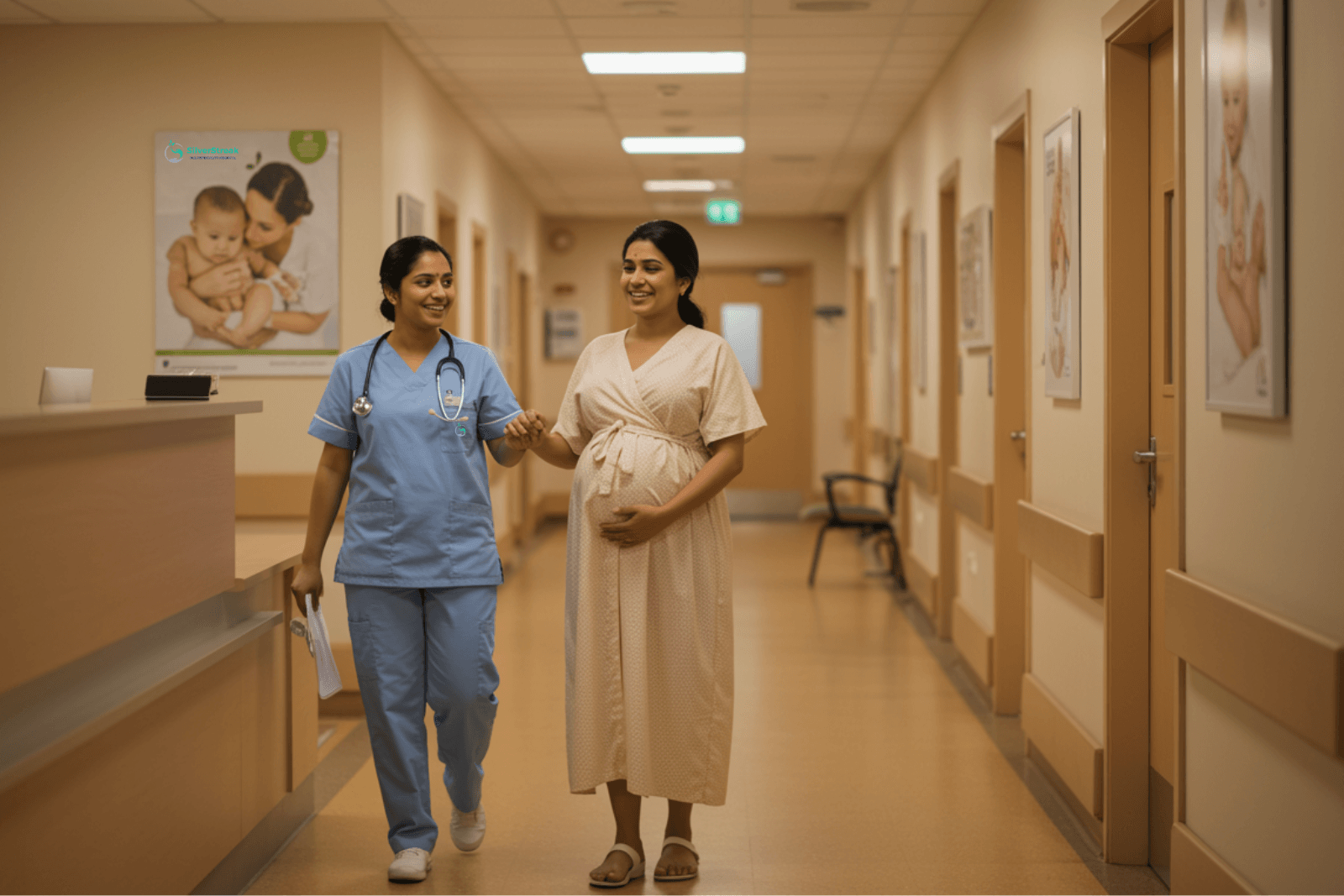
At SilverStreak Hospital, Gurgaon, high risk pregnancy care focuses on identifying risks early and managing them throughout pregnancy. Care is guided by Dr. Swapnil Agrahari, an experienced obstetrician and gynecologist known for managing pregnancy complications using evidence-based practices and patient-centered care.
A high risk pregnancy refers to a pregnancy in which the mother or the fetus faces an increased likelihood of health complications compared to a typical pregnancy.
In a normal pregnancy, routine prenatal visits usually provide enough monitoring to ensure healthy development. In contrast, a high risk pregnancy requires closer observation, additional testing, and specialized medical care to reduce risks and support safe outcomes.
A pregnancy may be considered high risk before conception due to existing medical conditions such as diabetes, heart disease, or thyroid disorders. It may also become high risk during pregnancy due to complications like gestational diabetes, preeclampsia, infections, or problems with fetal growth.
Understanding the meaning of high risk pregnancy helps expectant mothers recognize the importance of regular prenatal care and timely medical support. With proper management, many pregnancy complications can be controlled effectively, leading to healthy deliveries.
Several factors can increase the chances of a high risk pregnancy. These risks may exist before pregnancy or develop as pregnancy progresses. Identifying the cause early helps doctors plan appropriate care and reduce complications.
Certain medical conditions present before pregnancy can increase pregnancy-related risks. These conditions often require closer monitoring throughout pregnancy.
These maternal risk factors often require coordinated care between obstetricians and medical specialists.
Some complications develop only after pregnancy begins. These conditions can turn a previously normal pregnancy into a high risk pregnancy.
Pregnancy-related complications require frequent monitoring and timely medical intervention.
Age and daily habits also play an important role in pregnancy health.
Lifestyle changes and early medical guidance help reduce many of these risks.
Some symptoms may signal pregnancy complications that require immediate medical attention. Early evaluation helps protect both mother and baby.
Any of these high risk pregnancy symptoms should prompt immediate consultation with a healthcare provider.
High risk pregnancies can occur for different medical reasons. Each type requires specific monitoring and care to reduce complications and support healthy outcomes. Specialists tailor treatment plans based on the underlying risk and the stage of pregnancy.
Pregnancy complicated by diabetes requires careful blood sugar control. Poor glucose levels can affect fetal growth and increase delivery risks. Doctors monitor blood sugar, adjust medications, and track fetal development throughout pregnancy.
High blood pressure during pregnancy increases the risk of preeclampsia, placental problems, and preterm birth. Regular blood pressure checks and close observation help prevent serious complications.
Some pregnancies carry a higher risk of early labor. Previous preterm births, infections, or cervical changes may increase this risk. Early detection allows doctors to take steps to delay delivery and improve outcomes for the baby.
IUGR occurs when a baby does not grow at the expected rate inside the uterus. This condition requires frequent monitoring to assess fetal growth, blood flow, and overall well-being.
Women with a history of cesarean delivery, miscarriage, or stillbirth may require specialized pregnancy care. Doctors closely monitor uterine health, placental position, and fetal development in these cases.
Effective high risk pregnancy care depends on early diagnosis and continuous monitoring. Doctors use a combination of clinical evaluation and advanced testing to identify and manage risks.
Doctors begin with a detailed medical and pregnancy history. This includes previous pregnancies, existing medical conditions, medications, and lifestyle factors. Risk assessment helps determine the level of monitoring required.
Ultrasound imaging evaluates fetal growth, placental position, and amniotic fluid levels. Doppler studies assess blood flow between the placenta and the baby, helping detect early signs of complications.
Blood tests help identify conditions such as anemia, infections, and gestational diabetes. Fetal monitoring tracks the baby’s heart rate and movement patterns to assess well-being.
Regular antenatal visits allow doctors to detect changes early and adjust care plans as needed. Consistent antenatal monitoring improves pregnancy outcomes and reduces the risk of emergency complications.
Managing a high risk pregnancy requires careful planning, continuous monitoring, and timely medical decisions. The goal of treatment is to reduce complications, support fetal development, and ensure a safe delivery for both mother and baby.
At SilverStreak Hospital, high risk pregnancy care follows evidence-based protocols and individualized treatment plans. Care focuses on early detection of problems, close observation, and coordinated decision-making throughout pregnancy.
Each high risk pregnancy requires a tailored approach. Doctors assess individual risk factors and create a care plan based on medical history, current health, and pregnancy progress.
Care plans may include more frequent antenatal visits, medication adjustments, and targeted investigations. Nutrition guidance helps support healthy fetal growth and maternal well-being. Lifestyle recommendations focus on activity levels, rest, and stress management.
Personalized care allows doctors to address risks early and adjust treatment as pregnancy advances.
Continuous monitoring plays a key role in high risk pregnancy treatment. Doctors track fetal growth, heart rate patterns, and placental function at regular intervals.
Advanced ultrasound and fetal monitoring help detect complications such as growth restriction or reduced blood flow at an early stage. Maternal health parameters, including blood pressure and blood sugar levels, are also closely monitored.
Early detection allows timely intervention and improves pregnancy outcomes.
Delivery planning is an important part of high risk pregnancy care. Doctors assess whether a normal vaginal delivery is safe or if a cesarean section offers a better outcome.
Decisions depend on maternal health, fetal condition, and pregnancy complications. When there is a risk of preterm birth, neonatal support is planned in advance.
As a specialized high risk pregnancy hospital in Gurgaon, SilverStreak Hospital ensures NICU readiness for premature or medically vulnerable newborns. This preparation helps provide immediate care when needed.
A structured approach to monitoring, treatment, and delivery planning reduces emergency situations and improves safety. With proper medical support, many women with high risk pregnancies experience healthy deliveries and recover well after childbirth.
Choosing the right healthcare facility plays a key role in managing a high risk pregnancy. Specialized expertise, advanced infrastructure, and timely medical support help reduce complications and improve outcomes.
SilverStreak Hospital, Gurgaon offers comprehensive care for women with pregnancy complications through a structured and multidisciplinary approach.
High risk pregnancies require close supervision by trained specialists. The obstetric team at SilverStreak Hospital has extensive experience in managing complex pregnancies, including medical and obstetric complications.
The hospital is equipped with modern maternity facilities and advanced neonatal intensive care support. This ensures immediate medical attention for premature or high-risk newborns when required.
Treatment decisions follow established medical guidelines and current evidence. Doctors focus on patient safety, clear communication, and informed consent at every stage of care.
Pregnancy complications can arise without warning. Round-the-clock emergency obstetric services allow prompt intervention during critical situations.
As a trusted high risk pregnancy hospital in Gurgaon, SilverStreak Hospital provides coordinated care designed to support both mother and baby throughout pregnancy and delivery.
Effective high risk pregnancy care depends on the experience and judgment of the treating doctor. Dr. Swapnil Agrahari is a skilled and compassionate obstetrician and gynecologist with extensive experience in managing complex pregnancies.
She holds an MBBS, MS in Obstetrics and Gynecology, F.MAS, and D.MAS, reflecting advanced training in both clinical and minimally invasive gynecological care.
Dr. Swapnil Agrahari specializes in high risk obstetrics and pregnancy care, including conditions such as gestational diabetes, hypertension, recurrent pregnancy loss, and preterm labor. She has wide experience in advanced obstetric procedures and minimally invasive surgeries, including laparoscopy and hysteroscopy.
Her patient-centered approach emphasizes clear communication, empathetic care, and evidence-based treatment planning. Patients trust her for careful monitoring, timely intervention, and a supportive environment throughout pregnancy.
As a leading high risk pregnancy doctor and one of the best gynecologists in Gurgaon, Dr. Swapnil Agrahari plays a central role in ensuring safe and positive pregnancy outcomes at SilverStreak Hospital.
Some pregnancies benefit from early evaluation by a specialist trained in managing pregnancy complications. Consulting a high risk pregnancy specialist allows timely diagnosis and closer monitoring.
You should consider specialist care if you have:
Early consultation helps doctors create a structured care plan and reduce avoidable risks.
If you are facing pregnancy complications or have been advised closer monitoring, expert care is available at SilverStreak Hospital, Gurgaon.
📞 +91-124-432-4444
🏥 Book OPD Consultation at SilverStreak Hospital
📍 Silverstreak Multispeciality Hospital Sector 87, Gurgaon
Early medical care plays an important role in protecting both mother and baby. Consulting a specialist at the right time helps ensure a safer, healthier pregnancy.
A pregnancy is called high risk when the mother, the baby, or both have a higher chance of developing health problems during pregnancy or delivery. This can happen due to existing medical conditions, pregnancy-related complications, age factors, or previous pregnancy history.
A high risk pregnancy does not mean something will go wrong. It simply means that the pregnancy needs closer medical attention to keep both mother and baby safe.
Yes, many women with high risk pregnancies have safe and healthy normal deliveries. With regular monitoring and expert care, doctors can manage most risks effectively.
The decision about normal delivery or cesarean section depends on the mother’s health, the baby’s condition, and how the pregnancy progresses. Doctors always choose the safest option for both.
Not always. Bed rest is recommended only in specific medical situations, such as a risk of preterm labor or certain placental problems.
In many cases, women can continue their normal daily activities with some lifestyle adjustments. Your doctor will guide you on what level of activity is safe for your condition.
High risk pregnancies usually require more frequent antenatal visits than routine pregnancies. These visits help doctors monitor the baby’s growth, check the mother’s health, and detect any complications early.
Regular checkups allow timely treatment and reduce the chances of emergency situations later in pregnancy.
A high risk pregnancy should be managed by an experienced obstetrician who specializes in high risk pregnancy care. Such specialists have the training and experience to handle complex medical and pregnancy-related conditions.
Expert care improves safety, reduces complications, and increases the chances of a healthy pregnancy outcome.