


If you’ve been experiencing unexplained chest pain or your doctor suspects a blockage in your arteries, angiography could be a life-saving test.
In fact, angiography is one of the most accurate and vital procedures to detect heart disease before it turns into something life-threatening like a heart attack or stroke. It helps doctors see how well your blood vessels are functioning, and whether there’s any need for further treatment like stenting or bypass surgery.
But here’s the thing most patients don’t realize:
👉 The angiography cost in Gurgaon can vary wildly — from ₹6,000 to ₹25,000 or more — depending on the type of angiography, hospital facilities, and whether your test includes expert interpretation or contrast dye.
This guide is here to answer all that — and more.
Let’s break it down clearly, simply, and with your health (and wallet) in mind.
What is Angiography & Why Is It Done?
Angiography is a diagnostic procedure that helps doctors see the inside of your blood vessels — clearly and in real time.
How it works (in simple terms):
A special contrast dye is injected into your bloodstream, which makes your arteries and veins visible on X-ray or CT scans. This allows doctors to detect any blockages, narrowing, or abnormalities in your blood flow.
Think of it like turning on a flashlight inside your blood vessels — it shows exactly where the problem is.
When is Angiography Prescribed?
Doctors usually recommend angiography when they suspect:
- Coronary Artery Disease (CAD) — common cause of heart attacks
- Unexplained chest pain or breathlessness
- Irregular ECG or stress test results
- Risk of stroke or TIA (mini-stroke)
- Suspected clots in lungs (pulmonary embolism)
- Abnormal kidney function (renal artery blockages)
Early detection via angiography can prevent serious complications and help plan procedures like angioplasty or stent placement.
Types of Angiography
Depending on which part of the body is being studied, angiography is classified as:
| Type | Area Scanned | Common Use |
| Coronary Angiography | Heart arteries | To detect blocked or narrowed coronary arteries |
| Cerebral Angiography | Brain blood vessels | Stroke, aneurysm, or brain tumor diagnosis |
| Pulmonary Angiography | Lungs and pulmonary arteries | Suspected blood clots in lungs (PE) |
| Renal Angiography | Blood supply to kidneys | High BP, kidney disease, renal artery stenosis |
| CT Angiography (CTA) | Entire vascular system (non-invasive) | Faster, often used for screening or follow-up |
Each type has its own benefits and cost, which we’ll cover in the next sections.
Angiography Cost in Gurgaon – Updated 2025
How much does an angiography actually cost? The answer depends on where you get it done — and whether you’re paying for just the scan or a complete diagnostic package.
Let’s break it down.
Silverstreak Hospital, Gurgaon – 2025 Rates
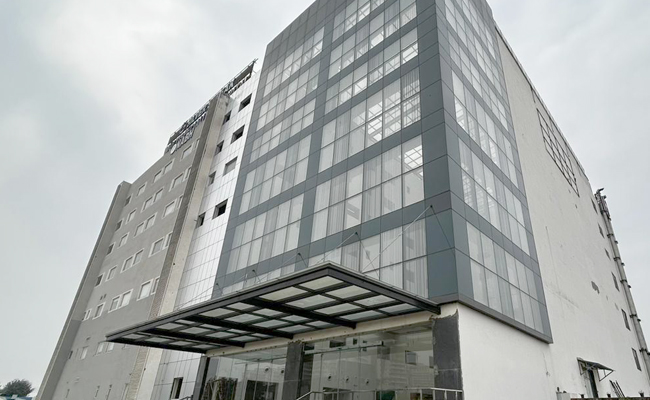
At Silverstreak Hospital, you get transparent pricing, NABH-accredited care, and expert interventional radiologists — all under one roof.
| Type of Angiography | Silverstreak Cost (2025) |
| Coronary Angiography | ₹9,000 – ₹14,000 |
| CT Coronary Angiography | ₹10,500 – ₹15,500 |
| Cerebral Angiography | ₹12,000 – ₹16,000 |
| Pulmonary Angiography | ₹10,000 – ₹14,000 |
| Renal Angiography | ₹8,500 – ₹13,000 |
| Digital Subtraction Angio | ₹13,500 – ₹18,000 |
What’s Included:
- Pre-test evaluation by cardiologist/radiologist
- Contrast dye charges
- Expert reporting by senior radiologist
- Digital scan copy + printed report
- Post-scan observation
✅ You’re not paying separate fees for radiology, technician, and films — it’s all inclusive.
Why Silverstreak’s In-House Imaging Saves You Money
Most private clinics refer angiography cases to outside labs — which means extra coordination and hidden charges. At Silverstreak Hospital:
- Scans are done in-house with state-of-the-art imaging equipment
- Results are interpreted by in-house cardiologists and radiologists
- No third-party reporting fees, no double billing
That’s how you get accurate diagnostics, faster results, and lower overall cost.
Different Types of Angiography – Explained with Cost & Purpose
Angiography isn’t a one-size-fits-all procedure. There are different types of angiography, each designed to visualize specific blood vessels in your body — from the heart to the brain, lungs, kidneys, and beyond.
Here’s a quick breakdown:
| Type of Angiography | What It Shows | Cost at Silverstreak |
| Coronary Angiography | Blockages in heart’s arteries (CAD) | ₹9,000–₹14,000 |
| CT Angiography (Coronary) | 3D scan of heart vessels using CT and contrast dye | ₹10,500–₹15,500 |
| Cerebral Angiography | Blood flow to brain, stroke risk, aneurysms | ₹12,000–₹16,000 |
| Digital Subtraction Angio | High-definition imaging of vessels (subtle lesions) | ₹13,500–₹18,000 |
| Pulmonary Angiography | Blood flow in lungs, rule out pulmonary embolism | ₹10,000–₹14,000 |
| Renal Angiography | Kidney blood vessels, assess for hypertension/kidney disease | ₹8,500–₹13,000 |
Why It Matters: Each angiography targets specific organs or systems. For instance:
- A coronary angiogram detects heart blockages that may require bypass surgery or stenting.
- A renal angiogram is key to diagnosing hypertension due to renal artery stenosis.
- Cerebral angiography can prevent stroke by identifying early vessel narrowing.
All angiography procedures at Silverstreak Hospital are done using digital fluoroscopy or CT-guided high-precision imaging, ensuring faster, safer diagnostics.
What Affects the Cost of Angiography? (Real Factors)
Not all angiographies cost the same — and it’s not just about the scan. Several clinical and operational factors directly affect the final bill.
Let’s break them down:
1. Machine Type & Imaging Technology
- Advanced cath labs and digital subtraction imaging are more expensive — but more accurate.
- Outdated systems may offer cheaper rates, but can compromise image quality.
2. Contrast Dye Usage
- Most angiographies require iodine-based contrast for clear vessel visualization.
- More dye = higher cost, especially in CT angiography or detailed vascular scans.
3. Pre- & Post-Test Monitoring
- ECG, blood tests, cannula insertion, and short-term observation are often bundled.
- This adds value but increases cost — unless included as a flat package (like at Silverstreak).
4. Radiologist & Cardiologist Charges
- Specialist involvement in report interpretation is non-optional and varies by hospital.
- In-house radiologists (like at Silverstreak) offer faster turnaround without added fees.
5. Hospital Accreditation & Tier
- NABH or JCI-accredited hospitals follow stricter hygiene, staffing, and equipment standards.
- Diagnostic labs or local clinics may charge less, but lack advanced support if something goes wrong.
Conclusion: Know the Real Cost, Get Real Peace of Mind
Angiography isn’t just another test. It’s a life-saving window into your heart and blood vessels. When done early, it can prevent major surgeries and even save lives.
At Silverstreak Hospital Gurgaon, we believe:
- Patients deserve transparent pricing — no hidden charges.
- You should never delay a crucial test over confusion about cost.
- You should always feel supported before, during, and after the procedure.
📞 Ready to take the next step?
👉 Call Silverstreak Hospital at +91-124-432-4444
📅 Or Book a Consultation Online to explore angiography packages, insurance options, and fast appointments.
FAQs – Common Questions on Angiography Cost in India
We get it — angiography can sound intimidating (and expensive). But we’re here to clear the air with real answers from real doctors.
1. Is angiography covered under health insurance?
Yes. Most health insurance plans in India cover angiography, especially when prescribed for chest pain, suspected heart blockages, or stroke symptoms. At Silverstreak, our billing team helps you check insurance eligibility instantly.
2. What’s the difference between CT angiography and conventional angiography?
- Conventional Angiography: Done in a cath lab using dye + X-rays. Invasive, but highly detailed.
- CT Angiography: Non-invasive, faster, uses a CT scanner and contrast dye to create 3D images of your blood vessels.
👉 Cost tip: CT angiography can be slightly cheaper and quicker for select cases.
3. Can angiography detect blockages early?
Absolutely. Angiography is the gold standard to detect even minor narrowing in arteries. Catching it early can prevent heart attacks, bypass surgery, or stroke.
4. How painful is the test?
Not painful, but you may feel a mild pinprick during the dye injection or catheter insertion (if conventional). The procedure is done under local anesthesia, and recovery is quick.
5. What are recovery times after angiography?
- Conventional angiography: 2–6 hours of observation post-test, full recovery by next day.
CT angiography: No downtime — resume normal activity the same day.