


Piles Laser Surgery in Gurgaon
Fast Relief. Minimal Discomfort. Faster Recovery
Say goodbye to piles pain—surgery today means quick relief, fast recovery, and getting back to your life sooner than you think!
There's a very specific kind of dread that comes with a two-hour car ride when you've got piles. You know the seat's going to be a problem before you've even climbed in. Sound familiar? You're not imagining it, and you're definitely not the only one going through it — people just don't bring this up over dinner, that's all. So, if you are still wondering whether you should go for piles surgery, the answer is YES! Piles laser surgery has quietly turned into the go-to fix for exactly this: no cuts, no stitches, most people back to their normal day within a few days.
At SilverStreak Hospital , our general and laparoscopic surgery team sees this practically every week — everything from mild cases that sort themselves out with a diet change, to the ones that got ignored so long they now genuinely need a surgeon.
Piles, or hemorrhoids if you'd rather use the textbook word, are really just swollen blood vessels around the anal canal. Almost everyone gets a mild version at some point in life — a bad stretch of constipation, pregnancy, who knows — and it usually calms down on its own. The trouble starts when it doesn't. That's usually around the time people quietly type piles laser surgery in Gurgaon into their phone at midnight, a little embarrassed to even be searching it, blinds drawn, TV muted.
When Piles Laser Surgery Actually Enters the Picture
Picture the tissue around your anus as little cushions that help you control bowel movements. Push them too hard, too often — straining, sitting for ten hours straight at a desk, pregnancy, heavy lifting — and they swell up. That swelling is a pile. That's genuinely it. Nothing more mysterious going on under the hood than that.
Doctors grade them 1 to 4, and honestly, the grade tells you almost everything about what happens next:
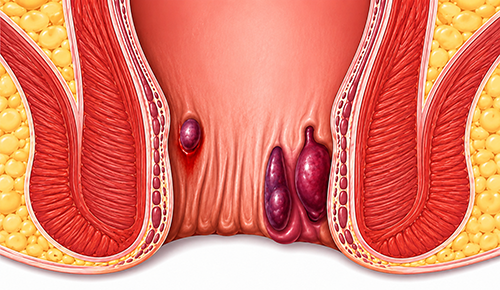
Grade 1
small, internal, mostly just a bit of bleeding here and there
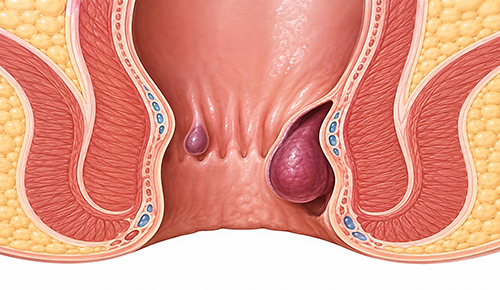
Grade 2
pokes out during a bowel movement, then goes back in on its own, no fuss
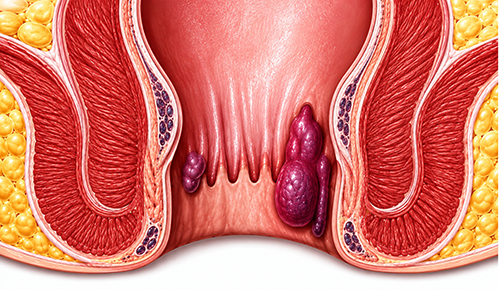
Grade 3
pokes out too, except now you're the one pushing it back in
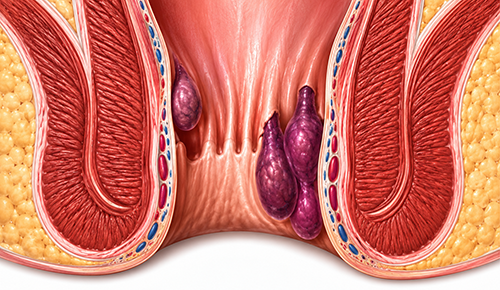
Grade 4
stays out permanently. No pushing it back, whatever you try
If you're sitting at Grade 1 or an early Grade 2, fibre, water, and a decent topical cream can genuinely turn things around — no drama needed. Past that, medicine mostly just buys you time. It doesn't actually fix anything, no matter how many tubes of cream you go through. That's usually the point where laser surgery for piles starts making a lot more sense than gritting your teeth and hoping for the best.
How Do You Know It's Actually Piles?
A lot of people spend months telling themselves it's "just constipation" before they finally cave and book an appointment. Fair enough, honestly — it's an easy thing to shrug off. But a few signs tend to point specifically at piles rather than something else going on:
- Bright red blood on the toilet paper or in the bowl — usually painless, which throws people off more than you'd expect
- A soft lump near the anus you can sometimes feel yourself, if you go looking (most people don't, understandably)
- Itching that just won't quit, no matter which cream you throw at it
- That nagging feeling you haven't fully emptied your bowels, even five minutes after you've gone
- Discomfort while sitting, especially on those hard office chairs nobody's ever replaced
- Mucus discharge, occasionally enough to stain your underwear
Painless bleeding is the classic giveaway for internal piles. Pain paired with a hard lump usually means something's clotted up — a thrombosed hemorrhoid — and that one genuinely hurts. Not the kind of thing where you sit out with a hot water bath and good intentions.
Worth saying plainly, though: rectal bleeding isn't automatically piles. Fissures, polyps, and — less commonly, but still — colorectal cancer can look pretty similar at first glance. If the bleeding's new, unusually heavy, or turns up alongside weight loss or a real change in your bowel habits, get it checked by a gastroenterologist instead of just assuming and getting on with your week.
Why This Happens to So Many People
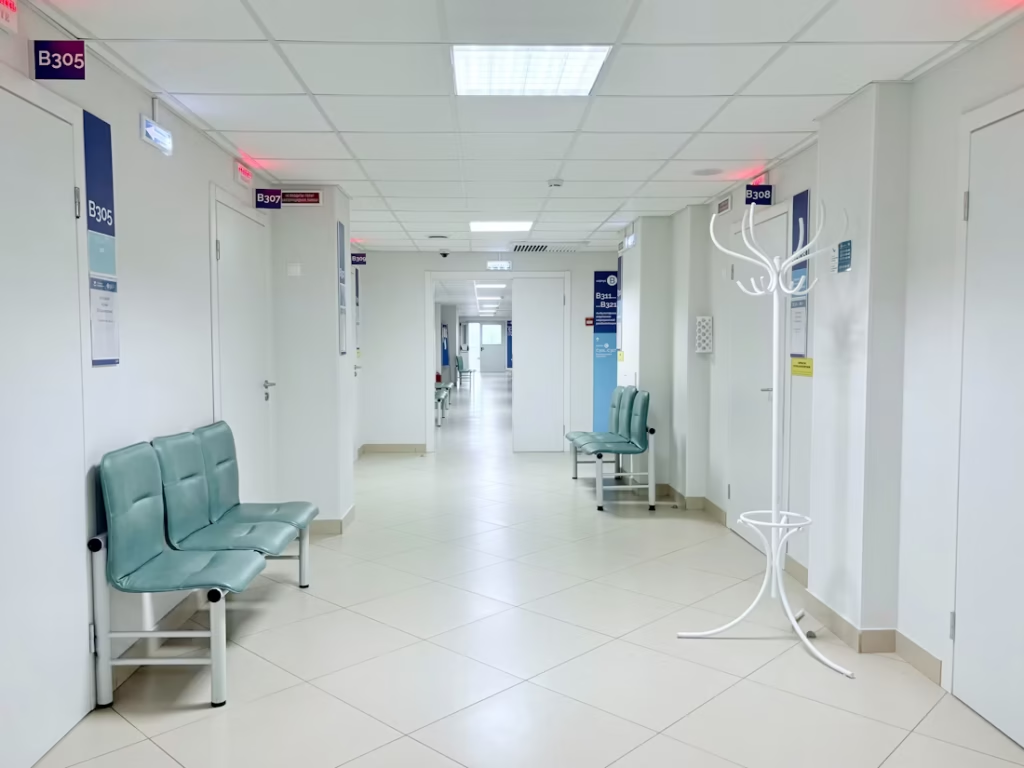
Hemorrhoidal disease isn't some rare, unlucky draw you got dealt. Every 1 in 20 Americans suffer from piles. And, the rate by which the number of people suffering from piles is increasing in India is quite scary. So really, it's less of "why me" and more just "when."
A few things push the numbers even higher here specifically:
- Diets that lean hard on processed, refined food and barely touch fibre
- Long hours sitting — desk, commute, doesn't really matter which
- Constipation people just quietly put up with instead of actually treating
- Pregnancy, which adds pressure exactly where nobody needs any more of it
- A habit of putting off treatment out of embarrassment, so plenty of patients only walk in once they're already at Grade 3 or 4
That last one's the part that genuinely stings a bit, because it didn't have to happen. A pile that could've been sorted with fibre supplements at Grade 1 often turns into a full surgical case purely because nobody wanted to bring it up sooner.
Why Laser Beats the Old Way of Doing This
Traditional hemorrhoidectomy works, no argument there. But it comes with open wounds, stitches, and a recovery that can drag past two weeks — and honestly, the pain afterward is sometimes worse than whatever brought the patient in to begin with. Laser piles surgery skips most of that mess entirely:
- Stitchless and painless — the laser fibre seals and shrinks the tissue from the inside out, with no cuts to close up
- Barely any bleeding during the procedure, since the laser cauterises as it works
- Same-day discharge for most patients, instead of an overnight hospital stay
- A much faster return to normal life — often 3 to 5 days back at a desk, versus two or three weeks with open surgery
- Lower infection risk, simply because there's less open wound to worry about healing
It's not some miracle cure, and how well it works still depends partly on what grade you're starting from. But for Grade 2 through 4 cases, it's a noticeably kinder road than what surgery used to mean a decade ago — genuinely, ask anyone who's had both.
How SilverStreak Handles This
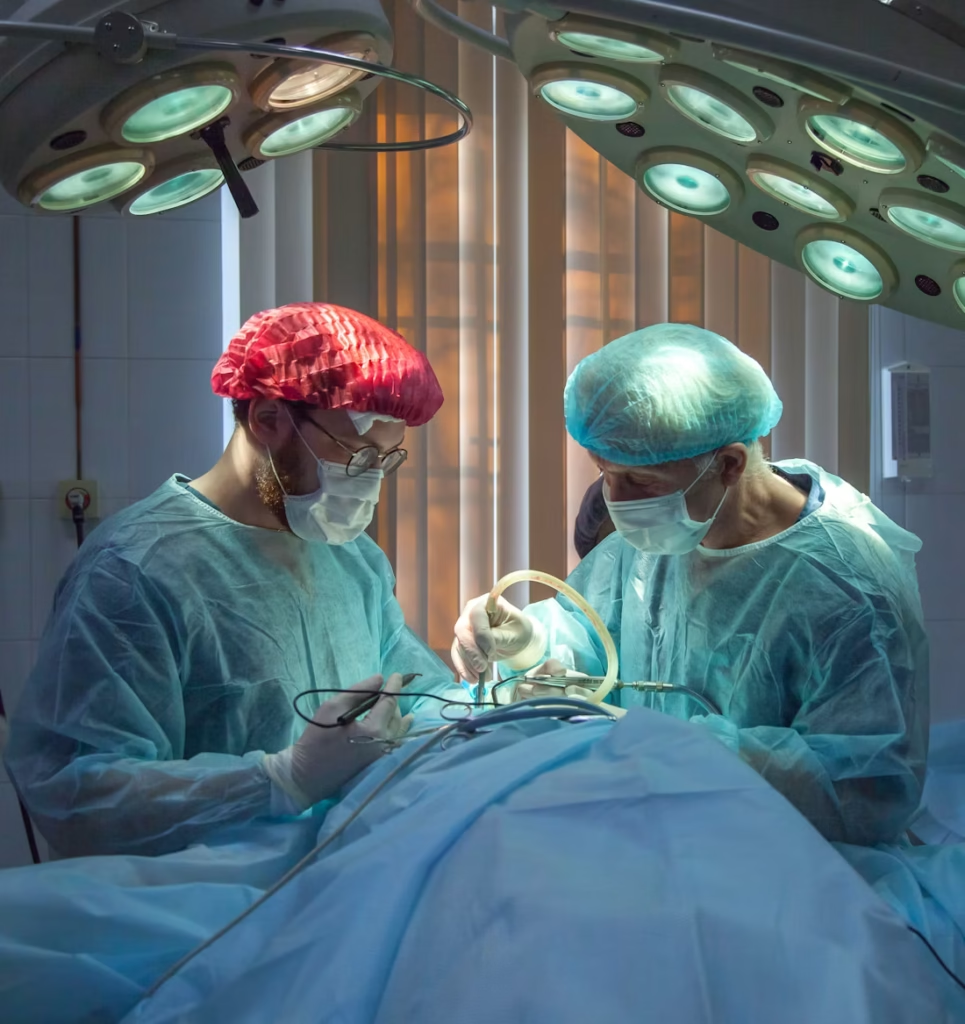
Procedures here are handled by the best doctors for piles laser surgery on our team — senior general and laparoscopic surgeons Dr. Paras Kumar Gupta and Dr. Utkarsh Gupta — not a rotating cast of junior doctors still finding their feet. That distinction matters more than most patients realise walking in, because anorectal anatomy isn't identical from one person to the next, and it's experience that catches the cases that just don't behave the way the textbook insists they should.
A few things that shape how we handle every single case that comes through our doors:
A proper diagnosis, first, always. Before anyone even mentions surgery, we confirm the grade and rule out anything else that might be mimicking piles — a fissure, a fistula, whatever it turns out to actually be — usually with a physical exam and, if needed, a proctoscopy.
Diagnostics that don’t drag on for days. When a case needs bloodwork or imaging beforehand, our diagnostic services get results back the same day, so nobody’s just sitting around waiting before a surgery date gets locked in.
What the Whole Thing Actually Looks Like
- Before surgery — A consultation to establish the grade, some simple pre-op reasons and a discussion with the anaesthetist. Most laser treatments involve local or spinal anaesthesia, which means a person feels numb but is conscious during the entire treatment.
- During surgery — Surgery should not last longer than 20–40 minutes, but this depends on the number of piles to be treated and how large they have become. A laser fibre is directed to each one and heated; the controlled heat shrinks and seals the tissue.
- After surgery — A little pain for a day or two can be experienced. But this can be easily controlled with the sort of painkiller that will be prescribed. The recovery is usually rapid, with most people up and active in a few short hours of its use, light work in 3-5 days, and full recovery within about two weeks.
What Actually Keeps It From Coming Back
The hard part, to be honest, is preparing for the surgery. Surgery is the easy part so far as going through it is concerned, if we're being honest. The key to making this a once-only or a repeat 12 months later depends on what you do afterwards:

- Maintain a good amount of fibre still – whole grains, vegetables and fruit – same persons you don't think are fond of visiting, but you always had to hear about from your mother.
- Don't fall for dehydration – there's always more trouble to be had with it during the day.
- Avoid sitting for long periods of time on hard chairs in particular
- So don't waste much time gripping down on the toilet; let it happen, and don't hold it in if you need to go anyway — the habit of gripping the toilet causes more harm than people realize.
- Keep moving a little bit — even going for a stroll each day really counts!
- Don't postpone your second appointment despite a complete recovery by then
If you're also dealing with ongoing digestive trouble alongside the piles — chronic constipation, IBS, acidity that just won't settle down — it's often worth pairing this with a plan from our Gastroenterology team. Fixing the piles without touching whatever's actually causing them tends to be a temporary win, at best.
Ready to Actually Deal With This?
Piles don't tend to fix themselves once they've crossed a certain point, and the longer they're left alone, the more uncomfortable the eventual treatment usually turns out to be.Ask yourself, and if you will find yourself in the same boat as most of us who have delayed this task for a while now, visit a doctor now!
Contact the piles specialists of the general surgery and laparoscopic surgery team at SilverStreak Hospital in Gurugram, Sector 87. Consultations are confidential, and the emergency line is available anytime.
the pain to decide for you
Book your consultaiton today!
Frequently Asked Questions
1. What exactly is piles laser surgery?
The swollen hemorrhoidal tissue is reduced and stitched closed by a laser fibre long before any incision is made in the skin or any stitching is put into the skin.
2. Do I need to stay overnight?
Not usually. Patients are also discharged the same day after only a few hours of the procedure.
3. How soon can I get back to work?
Desk work is often fine within 3 to 5 days. If your job's more physically demanding, your surgeon will likely suggest a slightly longer break.
4. Can piles come back after laser surgery?
They can, if the underlying habits — poor diet, prolonged sitting, ignored constipation — don't change. Sticking to the recovery advice genuinely lowers the odds.
5. Does laser surgery work for every grade of piles?
Grade 2 through Grade 4 usually respond well. Grade 1 is typically managed first with diet and medication, and surgery only comes into the picture if that doesn't work.
6. Who's actually performing the surgery at SilverStreak?
Dr. Paras Kumar Gupta and Dr. Utkarsh Gupta, our senior general and laparoscopic surgeons, handle piles procedures here, backed by the Minimal Access Surgery department.
7. Will I be put under general anesthesia?
Most laser procedures use local or spinal anesthesia instead, so you're conscious but won't feel anything in the area being treated.
8. Is this covered by insurance?
SilverStreak works with CGHS, ECHS, ESIC, and several private insurers, with cashless treatment available for those who qualify. Worth a quick call to our billing desk to confirm your specific policy.