

Looking for a trusted appendix doctor near you in Gurgaon? Silverstreak Multispeciality Hospital, Sector 87, offers advanced appendix surgery and Appendicitis Treatment using minimally invasive laparoscopic techniques — ensuring faster recovery and minimal scarring. NABH-accredited, 24×7 emergency care, and cashless insurance support available. Your safety, our priority.
Appendicitis doesn’t wait. It can be uncomfortable and escalate to a life-threatening rupture in the next 24-72 hours. If you are looking for an appendicitis doctor in Gurgaon, here’s everything for you in a simplified way. From appendix surgery cost in India, symptoms, diagnosis, and food to eat after appendix surgery.
If you are looking for appendicitis treatment, Silverstreak Hospital, Gurgaon has some of the best laparoscopic surgeons and gastrointestinal specialists in Gurgaon with extensive experience in performing laparoscopic appendectomy with a high success rate. Contact us to book an appointment with our top general surgeons in Gurgaon.
The appendix is a finger-like lump attached to the large intestine in your lower right abdomen. When it gets inflamed or infected, the condition is called appendicitis.
It does not have a known essential role, but if it becomes infected, it needs to be removed.
Appendicitis can occur in any age group, but is most common in people between 10 and 30 years old. It is one of the most common causes of emergency abdominal surgery in India.
It is essential to select the right hospital for your healthcare. That’s why many women choose SilverStreak Hospital for their gynaecological and maternity needs. SilverStreak provides treatment with excellent care, modern technology and compassion.
At Silverstreak Multispeciality Hospital, Gurgaon, our surgical team recommends the most suitable appendectomy approach based on your age, overall health, and the severity of your condition.
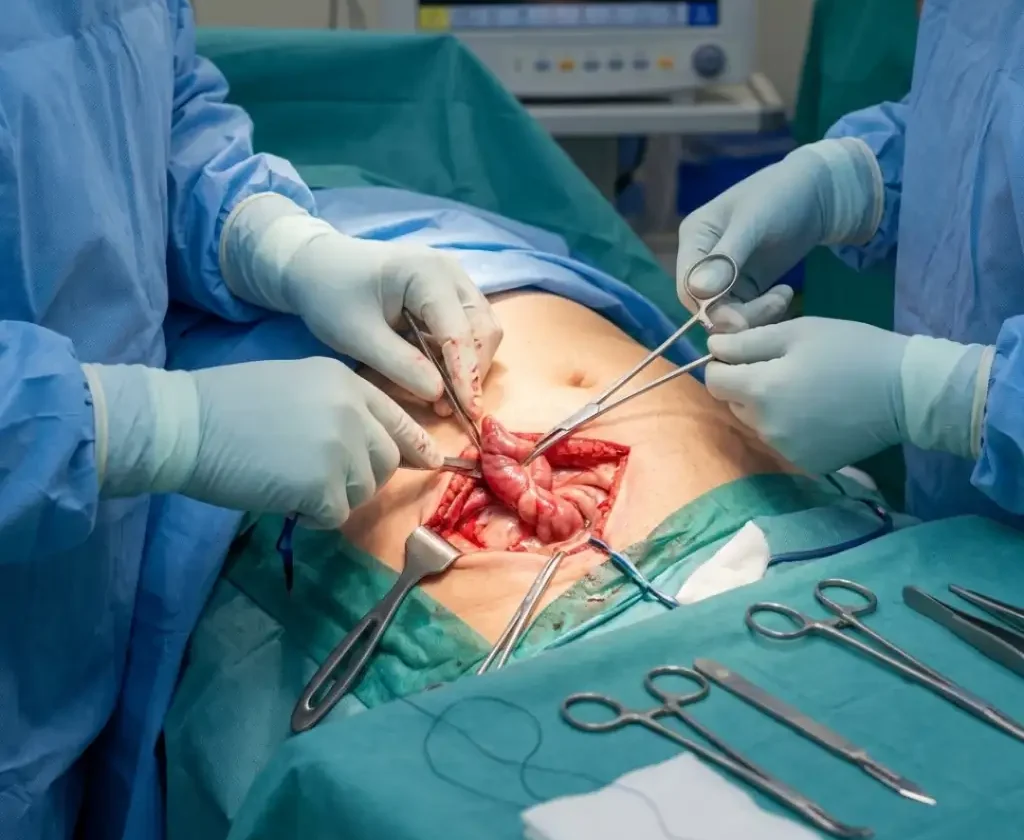
A traditional method where a single incision is made on the lower right abdomen to access and remove the appendix. Our surgeons typically recommend this approach when the appendix has already ruptured, or when a widespread infection or abscess requires thorough cleaning. While highly effective in complex cases, open surgery may involve a longer recovery period and visible scarring.
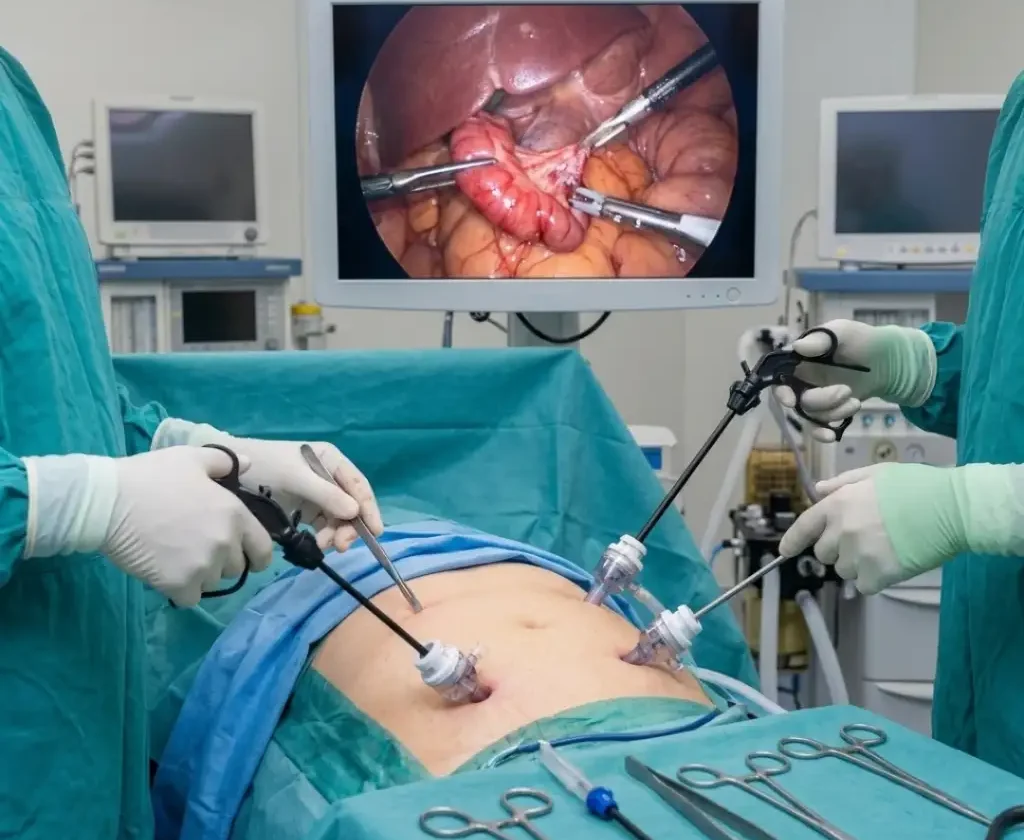
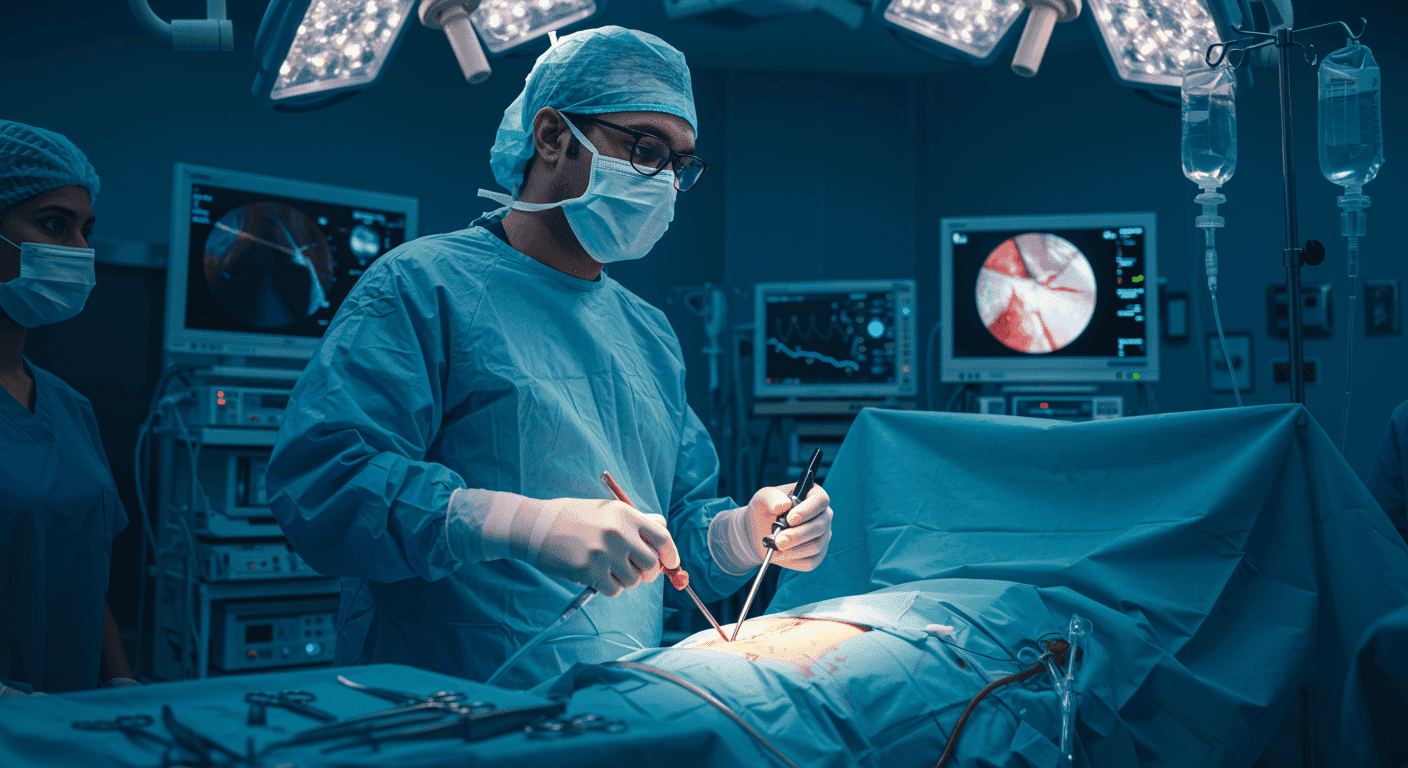
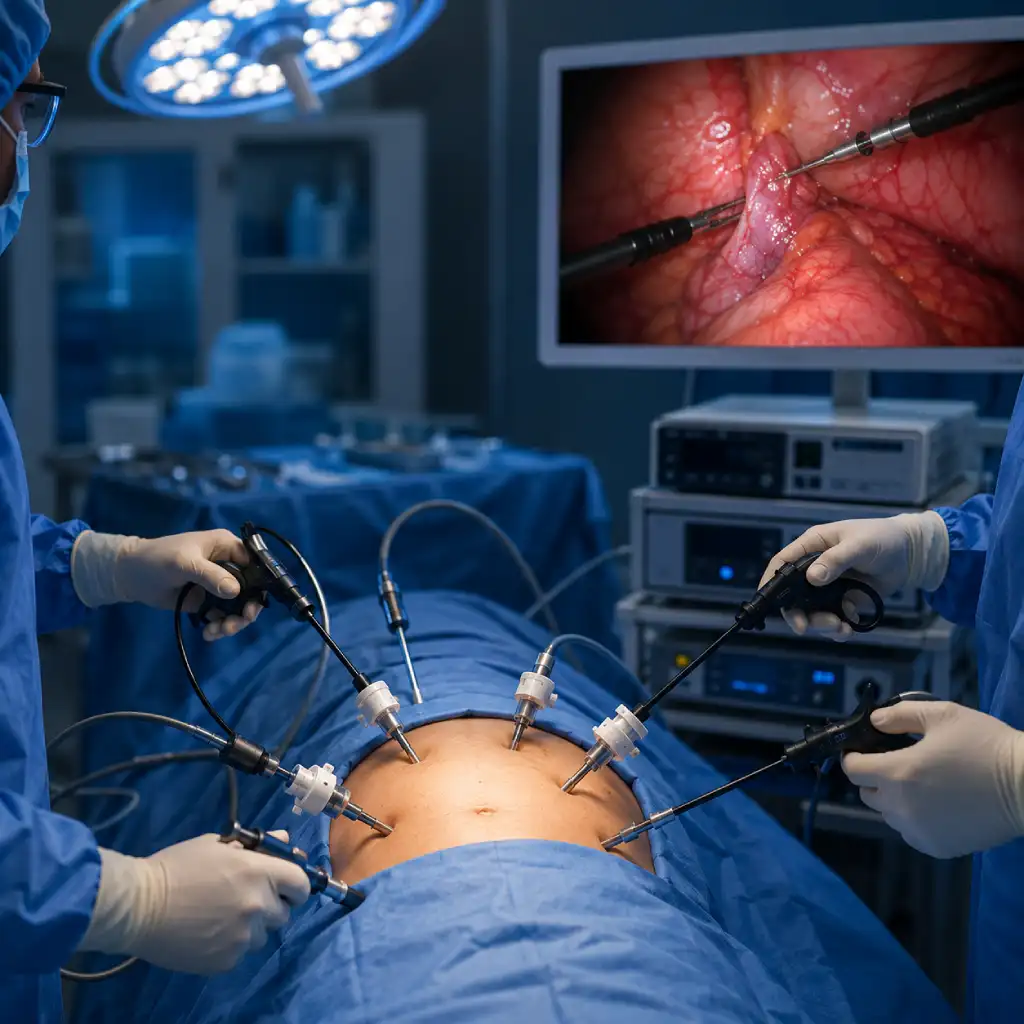
Silverstreak specialises in minimally invasive laparoscopic appendectomy — the preferred choice for most patients today. Using a few small pinhole incisions, our surgeons insert a laparoscope (a thin, camera-guided instrument) to carefully locate and remove the appendix with precision. Compared to open surgery, this technique offers significantly less blood loss, minimal scarring, reduced post-operative pain, and a much faster recovery — getting you back to normal life sooner.
Your surgeon will make the diagnosis of appendicitis based on a combination of:
Test | Purpose/Finding |
|---|---|
Physical exam | Fever + tenderness at McBurney's point (lower right abdomen) |
Blood test | High WBC means infection is active |
Urine test | eliminates kidney stones/UTI |
An ultrasound or CT scan | Verifies inflammation and severity |
The appendix size for surgery is important if you are looking for treatment options. The appendix is normally 5-10cm long. A diameter of > 6-7 mm with thickening of the appendiceal wall and appendiceal inflammation on imaging is indicative of appendicitis.
Appendix surgery is usually indicated at this point. The surgeon considers your imaging and symptoms before making a decision.
Today, most of the appendicitis treatments are done laparoscopically in Gurgaon. The surgeon will make 2-3 small cuts and take out the appendix with a camera-guided instrument.
Used when the appendix has burst or there are complications. This will be a bigger cut and longer recovery, but effective when necessary.
IV antibiotics can help to control the infection in mild, early-stage cases. But, there are a high number of recurrences; however, most patients will require appendicitis treatment at some point. This option is taken into account on a case-by-case basis.
A patient is always concerned about the price of appendix surgery. Here is a realistic calculation:
Surgery Type | Price Range (INR) |
|---|---|
Laparoscopic Appendectomy | 35,000-₹80,000 |
Open Appendectomy | ₹25,000-60,000 |
Emergency Surgery (with ICU care) | ₹80,000-₹1,50,000+ |
The appendix surgery cost in India is far cheaper than in Western countries. But the quality of surgery or standards of care will not be compromised.
Appendectomy is an emergency procedure, and most health insurance plans in India will cover the procedure. Please check with your insurance company before admission if a cashless facility is available.
It will take time to recover from an appendectomy, which will depend on the type of surgery you had and your health status. The typical appendix surgery recovery time differs from person to person as well. Here’s the distinction.

Eating is an important component of recovery. Support your digestive system, particularly in the first week. Here is food to eat after appendix surgery.
Rely on liquid food and fruit. Include vegetable juices, coconut water, and clear broth in your diet. Oral rehydration solutions, dilute fruit juices
The food items include Khichdi, plain rice, mashed potatoes, and curd. Prefer clean, boiled vegetables, bananas, and plain toast. Stay away from all spicy, fried, or processed foods.
High-protein foods like eggs, dal, and lean chicken are good for tissue repair. Do not drink alcohol, carbonated drinks, or gas-inducing foods such as raw onion, cauliflower, or beans.
At Silverstreak Multispeciality Hospital, Gurugram, patient safety is our highest priority. While appendectomy is a commonly performed and generally safe procedure, it is important to be aware of potential risks.
Our experienced surgical team takes every precaution to minimise complications — and our NABH-accredited protocols ensure you are monitored closely at every stage of your care. Depending on your age, overall health, and the type of appendectomy performed, potential risks may include:
If the appendix has ruptured prior to surgery, there is a risk of infection at the incision site or within the abdominal cavity. Our infection control standards, in line with NABH guidelines, significantly reduce this risk.
In rare cases, nearby structures such as the intestines or bladder may be inadvertently affected during surgery. Our laparoscopic approach, guided by high-definition camera imaging, greatly reduces this risk.
Nausea or allergic reactions to anaesthesia can occur. Our anaesthesiology team conducts a thorough pre-operative assessment to identify & address any known sensitivities before surgery.
Some patients may experience lingering discomfort in the abdomen following surgery, which is monitored and managed during your recovery at Silverstreak.
While laparoscopic appendectomy involves minimal blood loss, excessive bleeding remains a possibility in open appendectomy cases and is managed promptly by our critical care team.
If the appendix ruptures before the procedure, there is a risk of abscess development inside the abdomen, which our surgical team is fully equipped to treat.
Scar tissue forming after surgery can occasionally cause intestinal blockage over time. Our post-operative follow-up programme helps detect and address such concerns early.
In some cases, the surgical incision site may develop a hernia. If you experience this, Silverstreak’s General & Minimal Access Surgery team offers expert hernia treatment as well.
At Silverstreak Multispeciality Hospital, Sector 87, Gurugram, our General & Minimal Access Surgery team performs laparoscopic appendectomy using the latest technology — delivering superior outcomes with minimal disruption to your daily life.
Tiny pinhole cuts mean significantly less post-operative pain and discomfort compared to conventional open surgery.
The minimally invasive approach reduces intraoperative blood loss, lowering the risk of complications during and after the procedure.
General anaesthesia is administered before surgery, ensuring you remain completely comfortable throughout the procedure.
Thanks to small incisions and negligible blood loss, most patients at Silverstreak experience faster healing and are discharged the same day or within 24 hours.
The precision of laparoscopic technique means risks of post-surgical infection, wound complications, and prolonged recovery are significantly reduced.
Experience the pinnacle of Appendix Surgery in Gurgaon at Silverstreak Multispeciality Hospital, where every procedure is meticulously crafted for precision, safety, and patient comfort. Call us at +91-124-432-4444 or visit us at Sector 87, off DLF Skycourt, Gurugram to book your consultation.
By submitting this form you are agrecing to our Privacy Policy, We guarantee not to disclose your information.
It is very unlikely for appendicitis to go away on its own. There are cases in which inflammation of the appendix is managed by antibiotics, but that is generally a temporary solution, and in most cases, the infection will come back. The safest solution is to remove the appendix.
An appendectomy is a common and fairly routine procedure that is done laparoscopically. Most patients can leave the hospital within the first one to two days after the surgery. All of the side effects of the surgery should disappear within a month.
Surgery is time-sensitive when it comes to a diagnosis of appendicitis. Generally, to avoid any complications of a ruptured appendix, an appendectomy is performed within 6 to 12 hours after the initial diagnosis.
The removal of an appendix will not change your life in any meaningful way. The appendix is not necessary for any specific function of the body. So, after the surgery, patients will go on to live normal lives.
If appendicitis goes untreated and becomes ruptured, it will cause a serious condition called peritonitis.