
Gallstones may be the cause if you have sudden pain in the upper right side of the abdomen, nausea after eating, or pain in the upper right side of the abdomen. Small hard deposits develop in the gall bladder and can disrupt the digestive system, leading to frequent pain and other issues. Fortunately, current gallbladder stone treatment can help relieve you of gallstones and help you get back to your normal life in no time.
Gallstones are a growing problem. The recent large-scale study conducted in India revealed that gallstone disease is a significant problem in the country and early detection and timely treatment is essential. For the latest report on the prevalence of gallstones, read here.
At SilverStreak Hospital, Gurgaon, our experienced specialists offer advanced diagnostic evaluation and minimally invasive treatment options tailored to your condition. Don’t ignore persistent abdominal pain—book a consultation today and take the first step toward safe, effective, and lasting relief.
Gallstones (also known as cholelithiasis) are solid particles that develop in the gallbladder, a small pear-shaped organ situated below the liver on the upper right side of the abdomen. Bile is a digestive fluid made by the liver and stored in the gallbladder, and is released into the small intestine for the digestion of fats.
The size of gallstones varies widely from a grain of sand to as big as a golf ball. For some, there is one big stone, but for others, there can be hundreds of little ones at the same time. If bile, a fluid, stops flowing from the gallbladder, gallstones can cause a lot of pain and complications if not treated.
Key Clinical Fact
Two out of three gallstone sufferers do not have any symptoms. If symptoms develop, however, it is usually necessary to have an expert abdominal health evaluation team review the case and recommend treatment to prevent serious complications like cholecystitis, pancreatitis, or bile duct obstruction.
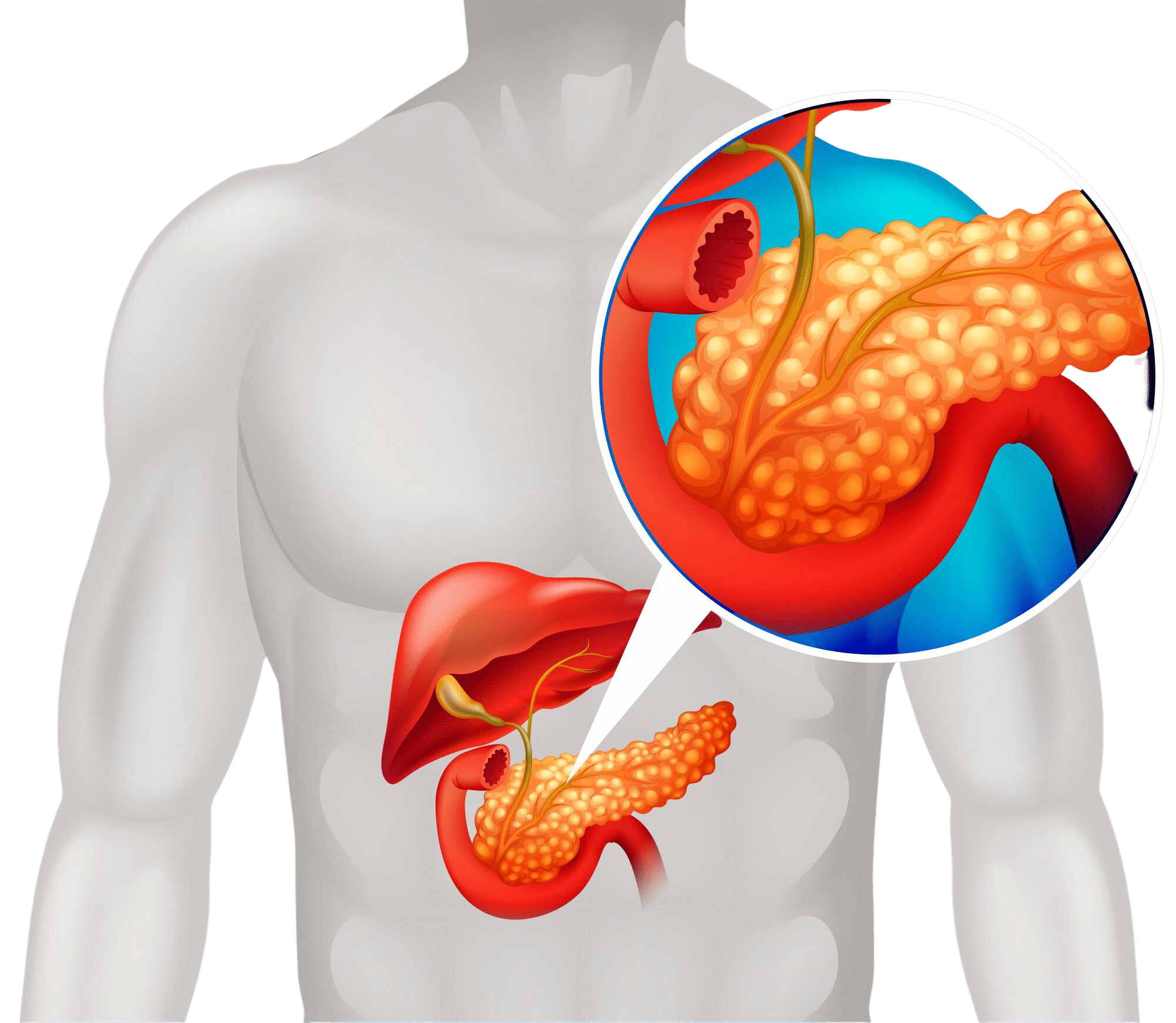
There are two types of real gallstones:
Cholelithiasis (gallstones) and cholesterol stones. It is important to know the type of gallstone to determine its cause and the best treatment. In clinical practice, three types are recognized:
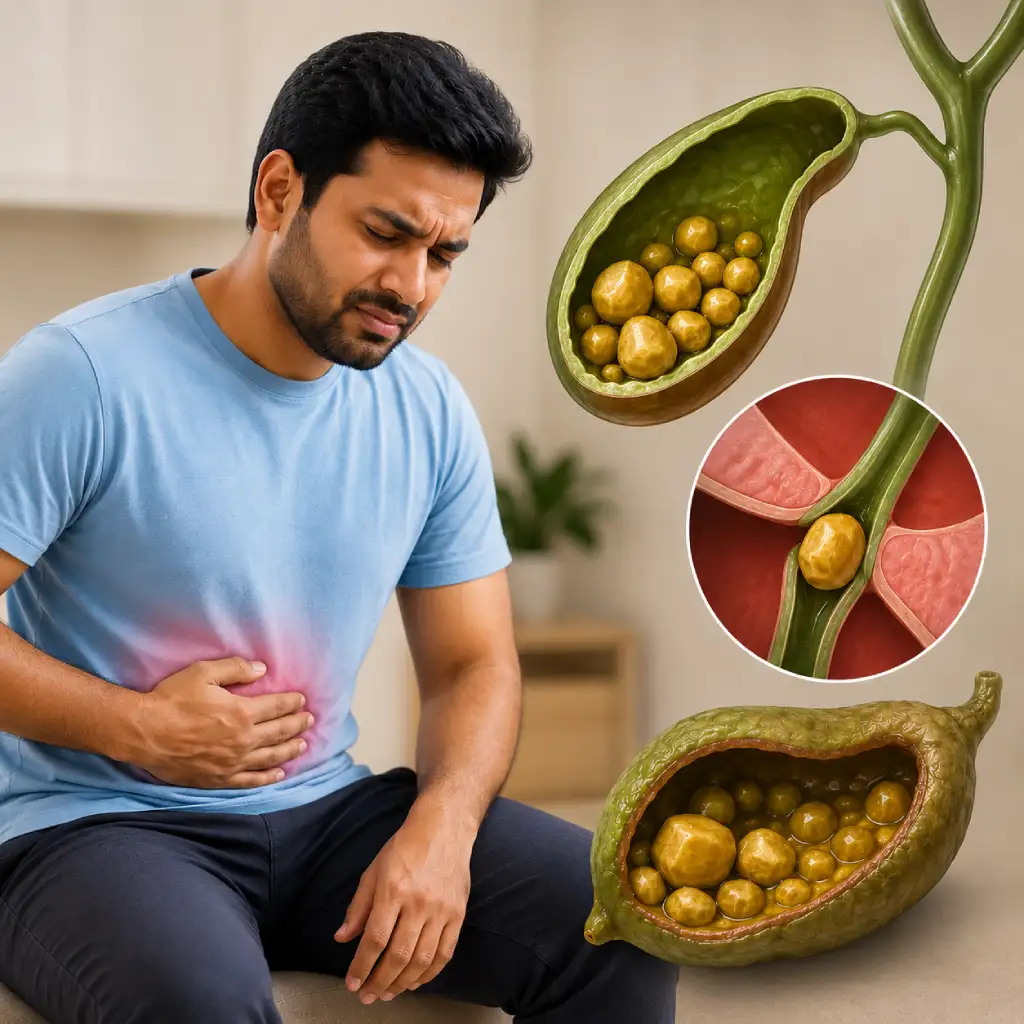
Cholesterol stones are the most common type of gallstones, accounting for nearly 80% of cases. Yellow-green in color, they form when excess cholesterol in the bile cannot dissolve and are often associated with obesity, high-fat diets, and hormonal changes.
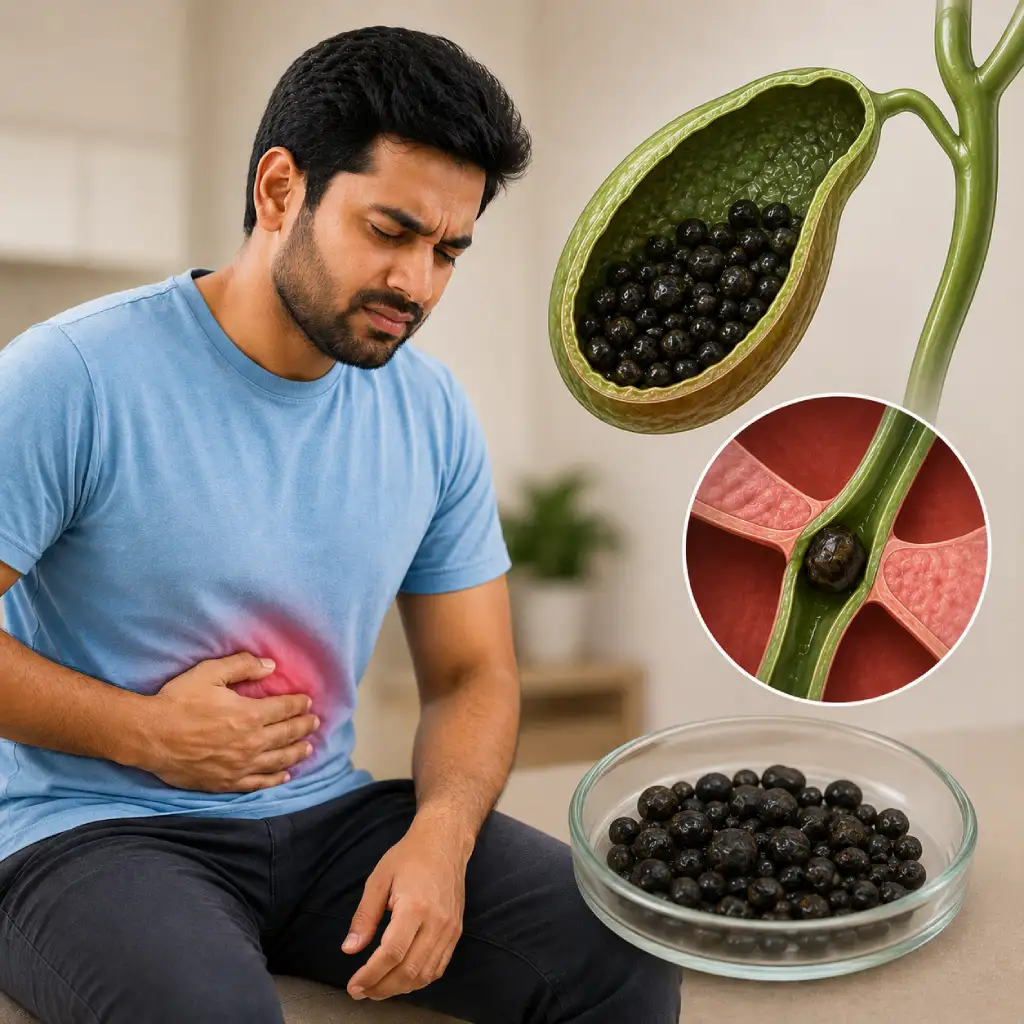
Dark brown or black in appearance, pigment stones are made of bilirubin, a chemical produced during the breakdown of red blood cells. They occur more commonly in people with liver disease, sickle cell anaemia, and cirrhosis (where bilirubin is high).
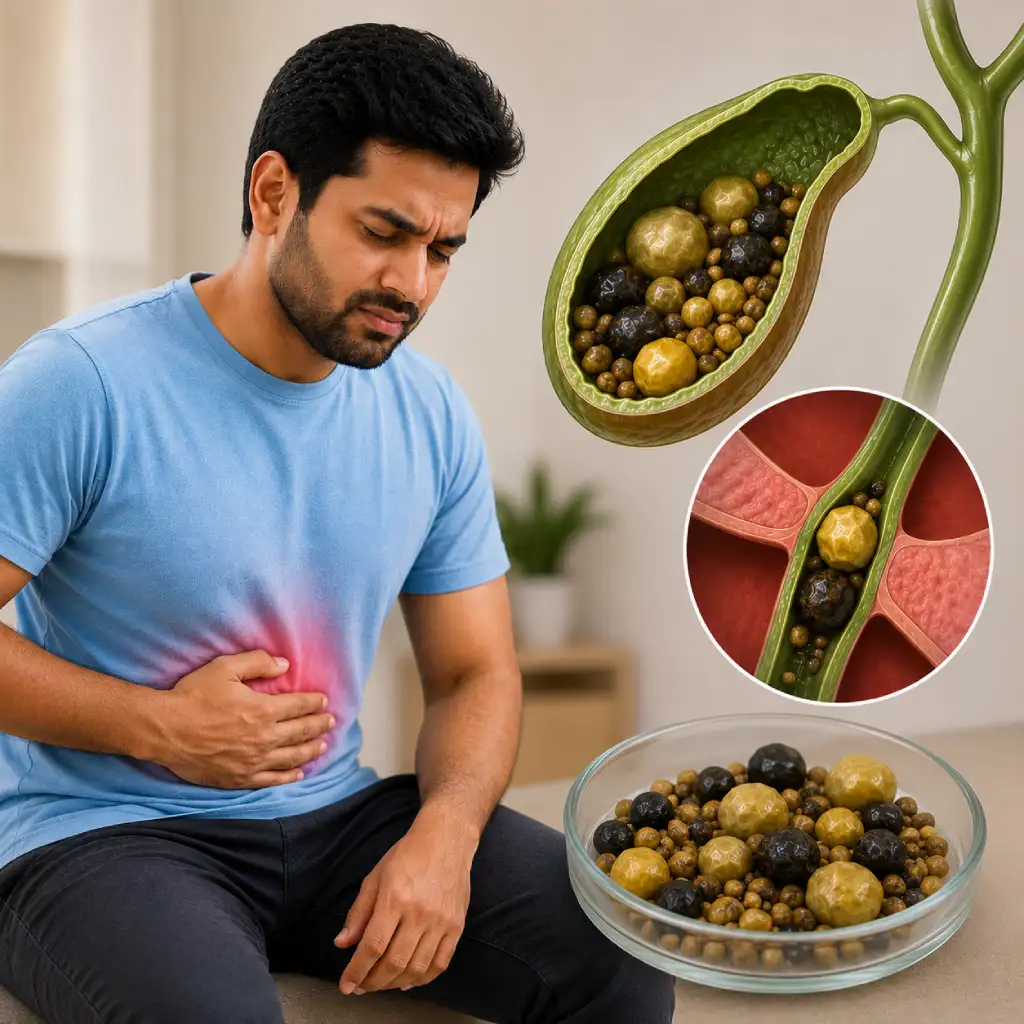
Mixed stones usually consist of several small stones and are made up of a mixture of cholesterol and calcium salts (calcium carbonate or calcium bilirubinate). They have features of both cholesterol and pigment stones.
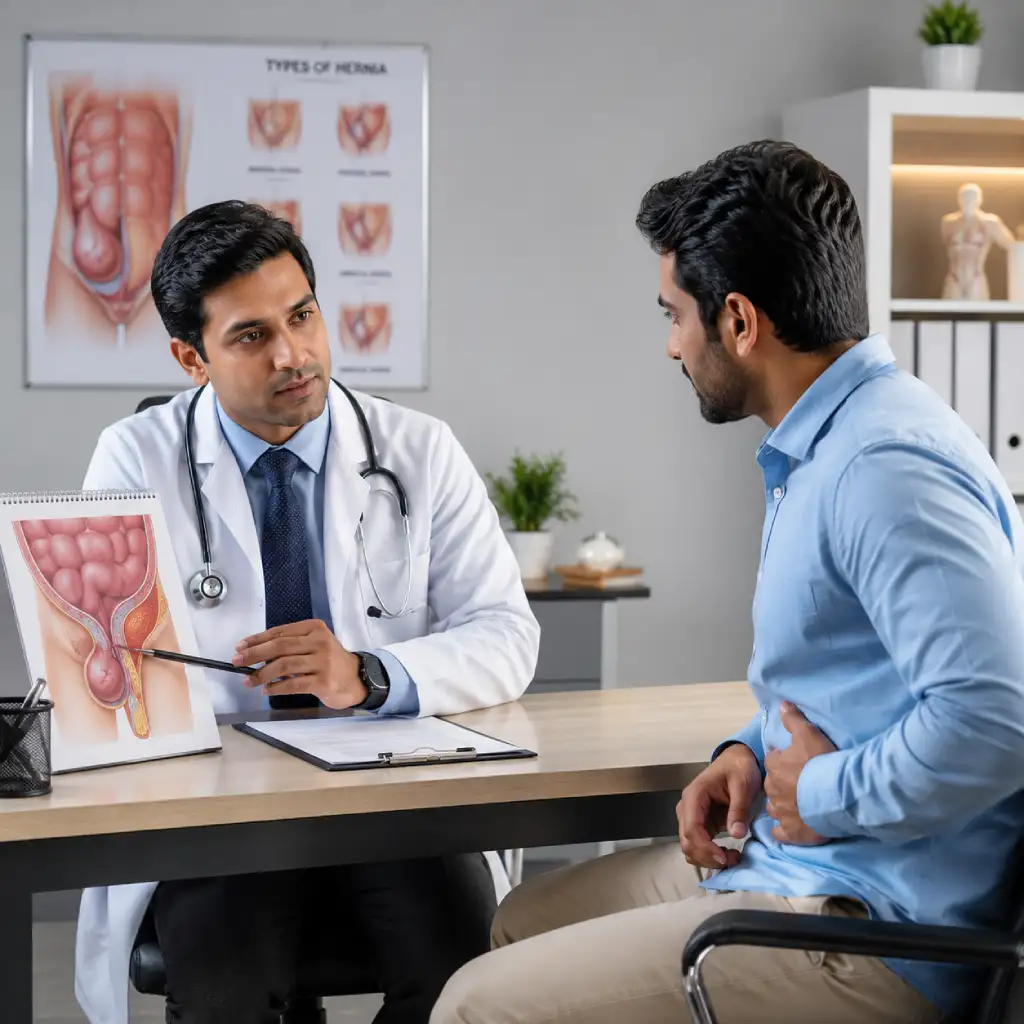
Although the exact cause of gallstones is not always known, stones are thought to form when the consistency of bile changes. It is because of an excess of cholesterol or bilirubin or a lack of bile salts. Also, the poor mobility of the gallbladder permits bile to stagnate and crystallize.
In such conditions, gallbladder stone treatment is the savior. But, before that, let’s check out the causes.
The primary gallbladder stone causes are the following:
Weight is a primary concern. Apart from that, here are some risky factors associated with the condition.
A person often has no symptoms, and a gallstone may be found during imaging for some other condition. If symptoms do occur, they are usually caused when a stone gets stuck in the bile duct. This is called a ‘gallbladder attack’ or biliary colic.

Severe, sudden pain in the upper right abdomen.

Puffy stomach and upset stomach following fatty foods.

Pain that moves down the right shoulder blade to the back.

A decrease in the amount of urine and/or a decrease in the colour of the stool

Weight loss (loss of muscle mass and fat)

Weakness and tiredness

Nausea and vomiting
Firstly, the gallbladder stone treatment needs to be determined before embarking on the pathway. Usually, imaging and laboratory tests are used:
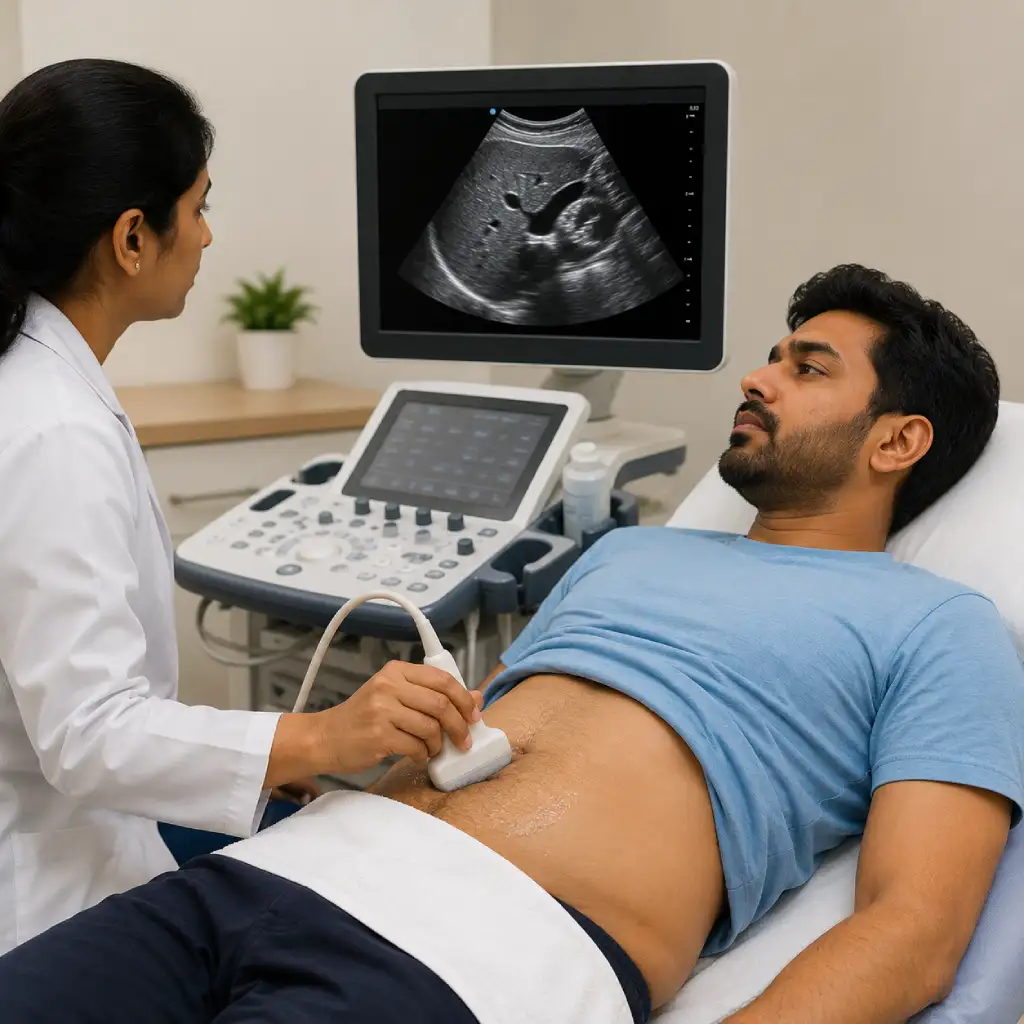
Ultrasound is the most accurate and widely used imaging method for detecting gallstones. More effective than CT scans for gallbladder stones, it is quick, accessible, and provides precise diagnosis through advanced imaging services.
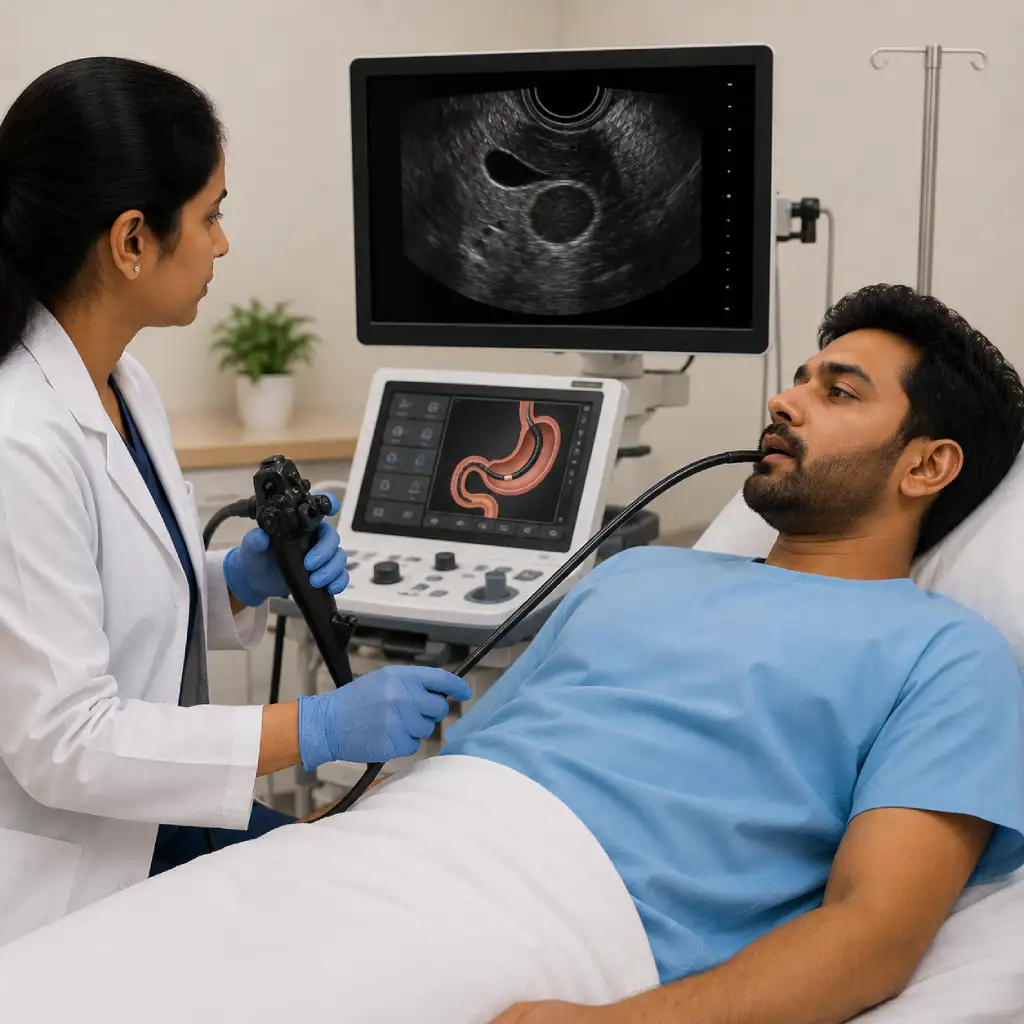
A thin, flexible tube containing ultrasound equipment is inserted through the mouth into the digestive tract. It detects even small stones in the bile duct, which may not be seen with conventional ultrasound.
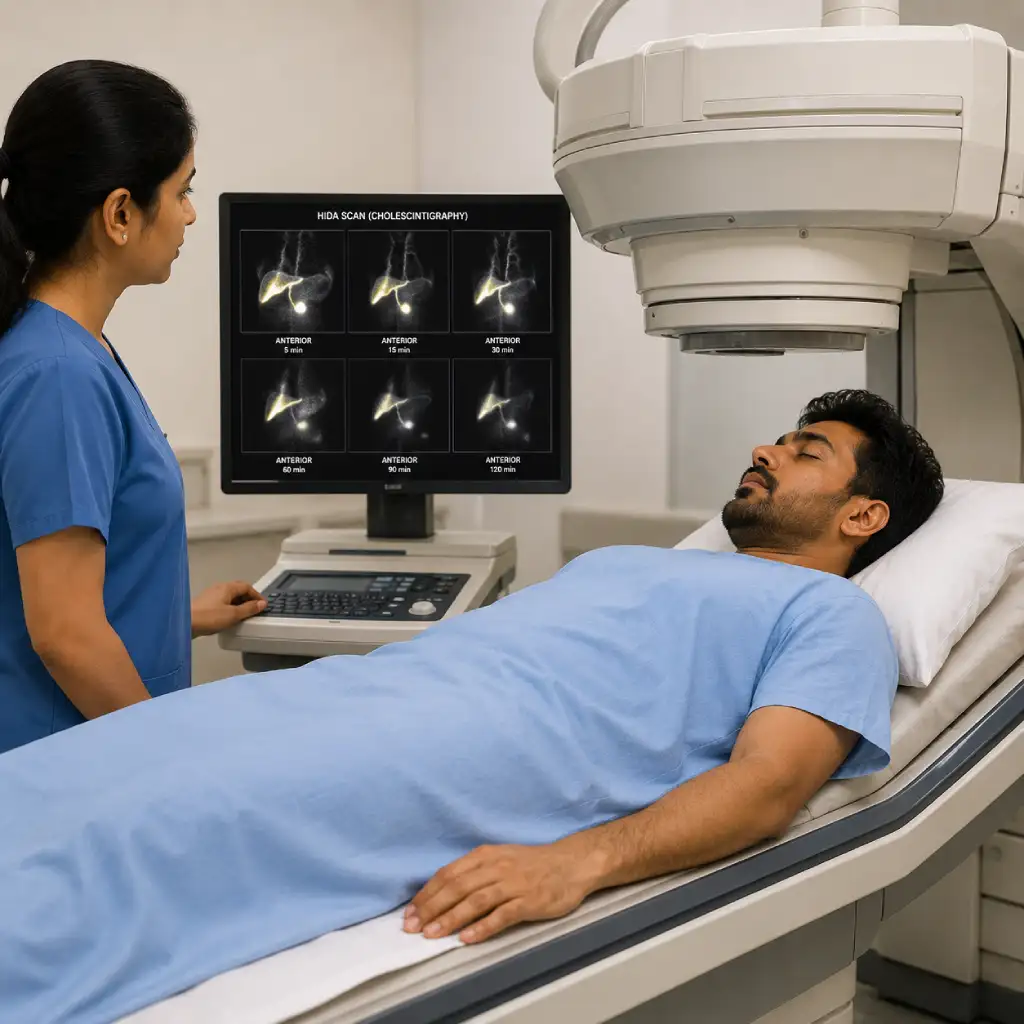
This study measures the functioning of the gall bladder by monitoring the flow of bile with a radioactive tracer. This is very helpful if gallstones are suspected but not visible, and gallbladder dysfunction is occurring.
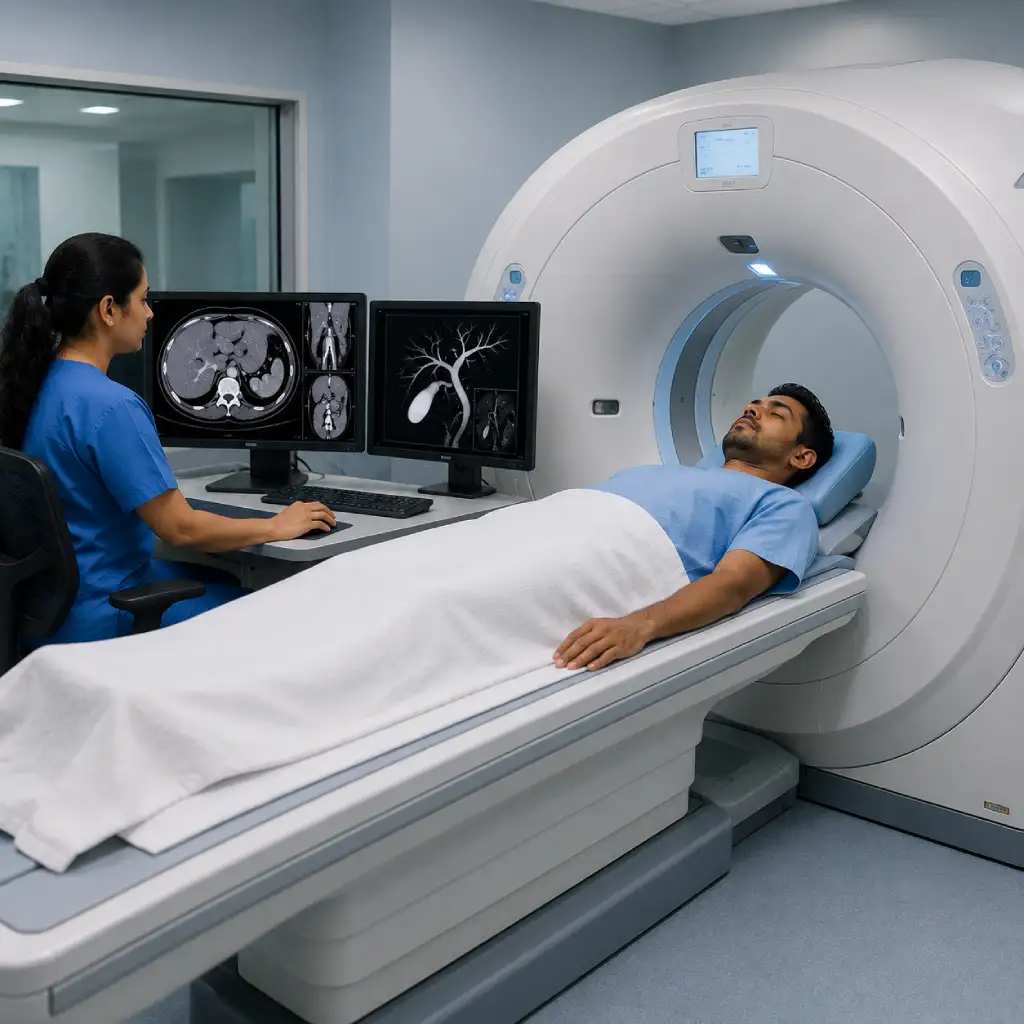
Magnetic Resonance Cholangiopancreatography allows detailed imaging of the bile and pancreatic ducts. A CT scan may be useful for identifying complications, like pancreatitis or perforation.
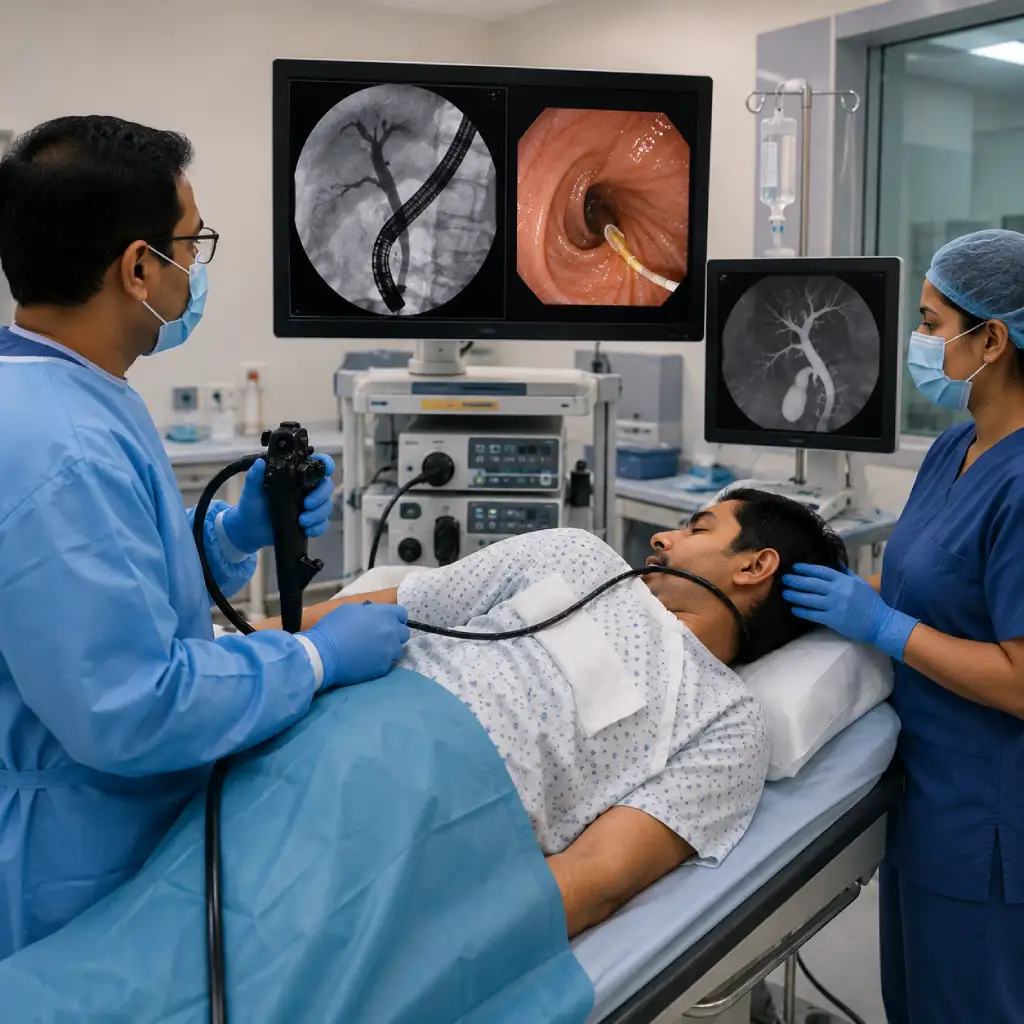
This treatment allows diagnostic and therapeutic direct visualization of the duct. It helps with the removal of stones at the same time.
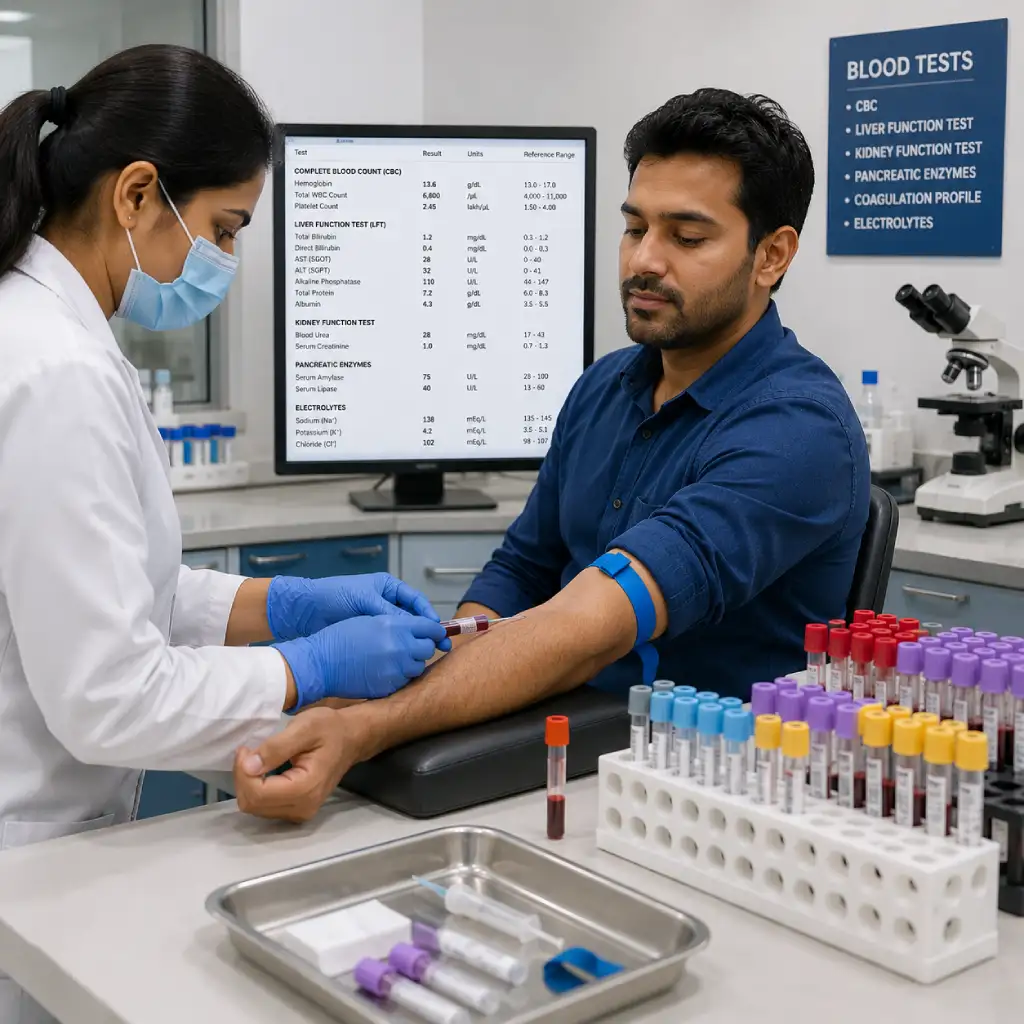
Blood tests help detect infection, elevated liver enzymes, jaundice, or signs of pancreatitis—potential complications of gallstones. Our comprehensive pathology services deliver fast, accurate results to support effective treatment planning.
Gallbladder stones can be treated depending on the severity of symptoms and the size and type of the stones. It also depends on the patient’s health and the presence of complications. Treatment is from watchful waiting to surgical removal of the tumor. There are basically two types of treatment: surgical and non-surgical.
If one develops symptomatic stones in the gallbladder, the most effective treatment is gallbladder stone surgery. It is called a cholecystectomy.
One of the most frequently performed surgical procedures in the world is also safe.
Surgical removal of a real gallbladder stone is the recommended surgical procedure for most patients. It is a minimally invasive procedure that requires only 3 to 4 minor abdominal incisions. Our keyhole and low-impact surgical care department specialises in these techniques for faster healing and minimal scarring.
Robotic-assisted cholecystectomy is the next level of laparoscopic surgery. The surgical robot arms are controlled from a console, which features a 3D image of the operative field. This ensures greater precision.
In open cholecystectomy, one larger (10-15 cm) incision is made in the abdomen to directly access and remove the gallbladder. It is only used in specific cases where laparoscopic surgery cannot be performed.
Used in severe inflammation, complications, or failed laparoscopic attempts
Aspect | Laparoscopic | Robotic-Assisted | Open Surgery |
|---|---|---|---|
Incision size | 3–4 small (0.5–1 cm) | 3–4 small (0.5–1 cm) | 1 large (10–15 cm) |
Hospital stay | Same day / 1 day | Same day / 1 day | 3–5 days |
Recovery time | 1-2 weeks | 1-2 weeks | 4-6 weeks |
Pain level | Low to moderate | Low | Moderate to high |
Scarring | Minimal | Minimal | Significant |
Best for | Most patients | Complex cases | Emergency /complicated anatomy |
The gallbladder stone treatment without operation is an option to consider for management or limited stone dissolution. It is for the patient who is not medically fit for surgery or when stones are detected early with few symptoms.
However, remember that gallstones cannot simply be removed from the body without treatment. The chances of gallstone recurrence with non-surgical treatment are high.
A drug called ursodeoxycholic acid (also called ursodiol) may help to dissolve small cholesterol-based gallstones over the course of 6-24 months.
It works for those small cholesterol stones (usually <1 cm) in a healthy bladder.
This is not recommended for pigment stones, calcified stones, or stones when symptoms are present.
Extracorporeal Shock Wave Lithotripsy is a technique in which high-energy sound waves are directed at the stones. It breaks them up into smaller sizes that can pass out naturally or dissolve in the presence of UDCA.
It is beneficial if there is a single cholesterol stone, which is less than 2 cm in size.
It takes multiple sessions and is not widely used, as it has a high recurrence rate.
The treatment does not remove the gallbladder (stones may reform in the future)
When stones have travelled from the gallbladder into the bile duct, Endoscopic Retrograde Cholangiopancreatography can remove these stones, but the gallbladder itself is not taken out.
A bendy scope is inserted into the mouth and into the small intestine.
If the duct stones are small, they can be removed by a small incision in the bile duct sphincter.
There is no removal of the gallbladder, and it may need to be treated separately if it still has stones.
The treatment is very effective in the case of stones in the bile duct.
If gallstones are not causing symptoms, as additional treatment, dietary changes may be beneficial. They help to minimize gallstone attacks and aid in recovery. Follow these tips to aid gallbladder stone treatment, or consult our personalised post-surgery meal planning support team for a tailored nutrition plan.
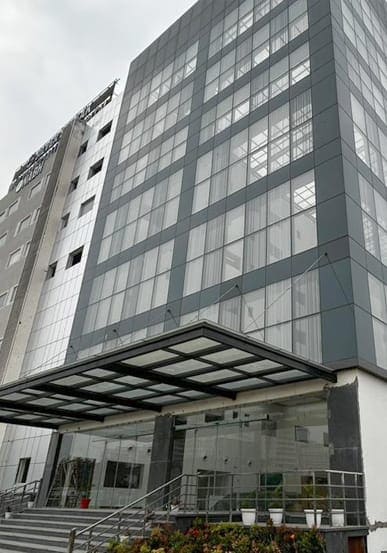
Whether you’re considering gallbladder stone surgery or a non-surgical approach to gallbladder stones, the outcome, recovery time, and long-term digestive health can be affected by the expertise of your care team and the capabilities of your hospital.
A multidisciplinary clinical team, patient-centred care pathways and advanced surgical technology combine to provide patients with the best possible outcomes for cholelithiasis, biliary colic, cholecystitis and other gallbladder-related conditions at Silver Streak Hospital, Gurgaon.
What We Offer | Why It Matters for Your Gallbladder Care |
|---|---|
Advanced Minimally Invasive Surgery | Our laparoscopic and robotic-assisted cholecystectomy programs use state-of-the-art equipment for keyhole gallbladder removal with minimal scarring and faster healing. |
Hospital Multidisciplinary Gallbladder Care Team | Gastroenterologists, general surgeons, interventional radiologists, and dietitians collaborate to create a unified gallbladder stone treatment plan personalised to your condition. |
High-Resolution Diagnostic Imaging | From abdominal ultrasound to MRCP and endoscopic ultrasound (EUS), our radiology suite detects even the smallest bile duct stones with pinpoint accuracy. |
Same-Day Lab Results | Our in-house pathology and blood testing facility delivers fast liver enzyme panels, bilirubin levels, and infection markers - critical for timely clinical decision-making. |
24/7 Emergency & Critical Care | Gallbladder attacks can strike at any hour. Our round-the-clock emergency unit and dedicated ICU manage acute cholecystitis, biliary colic, and gallstone pancreatitis with immediacy. |
Transparent Pricing & Insurance Support | Clear cost estimates, government price guideline compliance, and a dedicated TPA/insurance desk ensure hassle-free cashless treatment for gallbladder surgery. |
Hundreds of patients have trusted Silver Streak Hospital for their gallbladder stone treatment in Gurgaon. Our results are impressive, ranging from same day laparoscopic cholecystectomy to complex robotic-assisted surgery. Read real patient stories on our testimonials page.overy & Post-Treatment Car
No matter if a gallbladder stone operation or a non-surgical procedure was performed, a post-treatment recovery plan is crucial. The after-care reduces complications and restores functions.

By submitting this form you are agrecing to our Privacy Policy, We guarantee not to disclose your information.
Yes, gallbladder cancer is often completely curable if it is caught at Stage 0 or Stage 1 and only surgery is required. Once the cancer is diagnosed at Stage 3 or 4, the chances of cure decrease significantly, making early diagnosis crucial.
Survival rate is dependent only on the stage at diagnosis. The 5-year survival rate for early-stage gallbladder cancer is more than 60 percent, and for advanced (metastatic) gallbladder cancer, it’s less than 5 percent. That’s why screening high-risk patients early is important.
Gallstones are solid chunks of cholesterol or bile salts and are typically harmless. Gallbladder cancer is a cancer that occurs in the lining of the gallbladder. Stones can remain for years without developing into cancer, but they increase the risk of cancer later in life.