

General and Laparoscopic Surgery Best Laparoscopic Surgeons in Gurgaon

Enquiry Form
SilverStreak General & Laparoscopic Surgery Clinic addresses
a variety of ailments, including hernia, stones, appendicitis, piles, fissures, fistula, obesity, and thyroid diseases. At SilverStreak, wherever possible, our surgeries are done using the keyhole approach. We do our surgery using laparoscopy through several small openings with a camera and thin instruments. This means that most of our patients have less pain and smaller scars, and an earlier discharge after surgery compared to the open procedure.
↗We are located at Sector 87
Opposite DLF Skycourt and cater to patients from all around the areas of New Gurgaon, Dwarka Expressway, Pataudi Road and Manesar. From consultation to diagnosis reports on the same day and further to surgery, insurance clearance, and follow-ups, everything takes place in one single place.
↗Why Choose Laparoscopic Surgery?
In keyhole surgery, the surgeon creates a few small cuts rather than one large cut. The camera displays an enlarged image of the surgical site on the screen, and specialised instruments operate. As there is significantly less disturbance to muscles and tissues than during conventional surgery, patients typically experience:
- Lesser pain, and hence need for fewer pain relievers and better mobility
- Smaller scars which are better hidden over time
- Shorter hospitalisation period, including same-day or next-day release for some surgeries
- Faster recovery to work and driving
- Reduced chances of wound infection and less bleeding
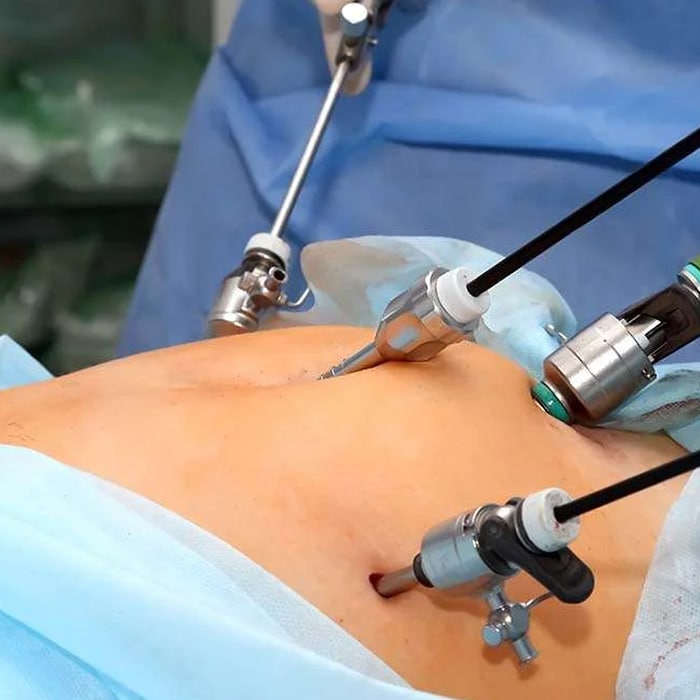
However, keyhole surgery may not be appropriate for all individuals. Infections, heavy scarring caused by previous surgeries, and ambiguous anatomy can be cases where keyhole surgery is not suitable, and the surgeon will explain to you the reasons in full transparency.
A few diseases for which this kind of treatment is normally used include gallstones, appendicitis, hernias, obesity, and gastrointestinal conditions.
Why Choose SilverStreak Hospital for Surgery
Hernias, gallstones, piles, and thyroid diseases can interfere with the normal functioning of one’s life, but minimally invasive surgery may help in having a shorter duration for staying in the hospital as well as provide quicker recovery than open surgery.
Decisions made with you
Your doctor tells you which surgical procedure will be better for you – either keyhole or an open surgery.
Everything in one place
Imaging, laboratory investigations, anaesthesia, ICU and emergency services are all housed in one hospital, so there is no delay in your treatment.
Ready for any emergency
Your acute appendicitis, hernia obstruction and gallbladder attacks are all managed 24/7.
What's available on site
Our team ensures that we manage all your insurance issues.
Best Laparoscopic Surgery in Gurgaon: What We Treat
Need the Best Laparoscopy in Gurgaon? Our department specialises in five key fields, all customised based on your symptoms, scans, and health status.
Hernia Surgery
A hernia is a protrusion where there is a breach in the muscle wall through which the tissues protrude and form a lump. Hernia mostly occurs in the groin, at the navel region, or in a previously operated site. Hernia does not usually resolve itself and can become obstructed or painful if not treated. We perform inguinal, umbilical, incisional, and other types of abdominal wall hernia repairs using a laparoscopic approach with the help of mesh.
Gallbladder Surgery
Gallstones lead to pain in the upper right quadrant, nausea following fatty meals, infection or pancreatitis. Laparoscopic cholecystectomy is a surgical procedure that removes the gallbladder using tiny incisions. Patients go home the same day or the next day and are able to resume activities quickly.
Piles, Fissure and Fistula
These issues are actually quite common, easily treated, and frequently postponed due to embarrassment. We offer our proctological services through a variety of treatments, including dietary adjustments, medications, and even surgery when needed, such as laser-assisted surgery where appropriate.
Bariatric Surgery
In cases of extreme obesity or obesity which leads to other diseases like Type 2 diabetes, hypertension, or sleep apnea, weight loss may be maintained with the help of surgical techniques like sleeve gastrectomy. All patients are first assessed on their metabolic and nutritional levels before and even after the surgery.
Thyroid Surgery
Thyroid nodules, goitres, and tumours are first tested using a scan or other test before surgery. The surgical procedure is carried out with utmost care for your voice and calcium levels.
Other procedures include acute appendicitis, which should be treated as soon as possible and removed through laparoscopy; surgical procedures to treat intestinal obstruction and disease; gastrointestinal tumours; and emergency abdominal surgeries for sudden severe conditions. Should you have any doubts about the kind of procedure you require, schedule an appointment.
Meet Your Doctors: Best Laparoscopic Surgeons in Gurgaon
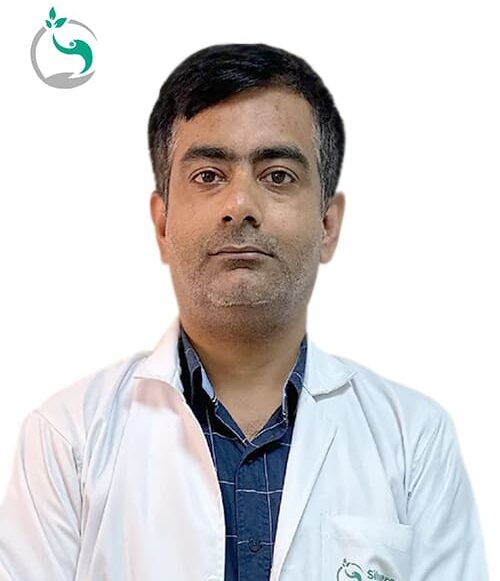
Dr. Paras Kumar Gupta
General & Laparoscopic Surgery
12+ years of experience
- Focus areas: hernia, gallbladder, piles, thyroid and gastrointestinal surgery
- Advanced laparoscopic technique
Meet Your Doctor
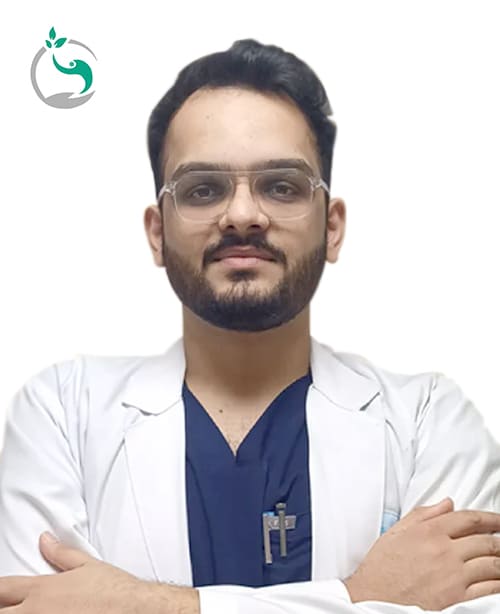
Dr. Utkarsh Gupta
General & Laparoscopic Surgery
6+ years of experience. Trained at Indraprastha Apollo Hospital, New Delhi.
- Focus areas: hernia repair, bariatric surgery, appendix, bowel resection and trauma surgery
- Robotic-assisted surgical experience
Your Surgery Journey: From First Visit to Full Recovery
Get professional and customised assistance throughout the process – from the time you get diagnosed till surgery, recovery, and returning to your regular activities.
Consultation
The surgeon listens to your complaints, takes your history and does an examination. Please carry all previous reports, imaging studies and a list of your medications.
↗Diagnosis
Ultrasound, CT scan, blood tests or endoscopy are done in-house and same day reports are obtained for your diagnosis.
↗Treatment Plan
The surgeon informs you of the diagnosis, various treatment options, risks involved, post-treatment recovery and costs. Cashless pre-auth is started if you have insurance cover.
↗Preparing for surgery
Your medical team will advise you about the time that you should refrain from food and fluids, and medicines that you should stop before surgery.
↗Post-operative Recovery
On the day of discharge, you are provided with a written plan for post-operative wound care, your diet and physical activities and what to look out for.
↗Why Patients Choose SilverStreak
The choice of a surgeon should be yours and should depend upon factual information which can be confirmed. The following facts are what patients can confirm about SilverStreak.
- NABH-accredited, adhering to national standards in terms of patient safety and clinical excellence
- 24x7 emergency & trauma services with ICUs whenever you need them
- Cashless surgery with 40+ insurance providers and welcome CGHS, ECHS and ESIC patients
- Patient rating of 4.6/5 by 1,500+ patients [verify current number]
- Convenient location if you reside in Sectors 82–95, Dwarka Expressway, Pataudi Road or Manesar
Book an Appointment at SilverStreak Hospital
If it’s been worrying you for over a couple of days, do not postpone it any longer. Get it checked. Many neurological problems are easier to manage if identified early. Even if something is not diagnosed what you were hoping for, you have a place from which to begin to make your way through. Visit today Silverstreaks Multispeciality Hospital In Gurgaon today
Book An Appointment
FAQs — Choosing ENT Care in India
1. Does a hernia heal without operation?
Hernias never get better by themselves, and surgery is the only way. A hernia that is small and without symptoms can be observed for a time, but growing and painful hernias require immediate attention. Your surgeon will help you with this.
2. Which hernia repair method is preferable – laparoscopic or open repair?
Laparoscopic repair requires a smaller wound, causes less pain and allows faster recovery. The optimal technique depends on many factors, including the type of hernia and your health condition. If it is impossible to perform laparoscopic repair for some reason, the surgeon will change the method and perform an open operation.
3. When are gallstone operations required?
Operations are recommended in cases where stones cause persistent pain, vomiting, infections or pancreatitis. Stones found by accident without symptoms need only observation.
4. Can I lead a normal life without gallbladder?
Yes. Bile will continue being produced in your liver, and most patients eat as usual. Some of them experience looser stools after eating fatty foods for a while.
5. Who can undergo bariatric surgery?
Bariatric surgery is recommended for obese individuals who have failed to respond to diets and exercise programs or those who have obesity and other medical problems such as type 2 diabetes. The internationally recommended criteria include individuals whose BMI is over 35 or 30 if they have any metabolic disorder. Asians are an exception since they start at 27.5.
6. What is the recovery period after laparoscopy?
It varies depending on the particular procedure. Most patients undergo gallbladder surgery and go home in a day, returning to their office work in a week. After hernia surgery, they become active in several days, but heavy lifting is contraindicated for some weeks. Recovery after bariatric surgery takes a few days in the hospital and one to two weeks off from work.
7. Do I require general anaesthesia?
Since most laparoscopic surgeries are done using general anaesthesia, you will be asleep during the procedure. An anaesthesia specialist will take care of this part for you.
8. Will there be any scars after the procedure?
The laparoscopic scars are usually minimal and heal well with time. However, this will depend on the type of procedure being conducted, and your surgeon will give you more information regarding this.
9. Is laparoscopic surgery covered under medical insurance?
Yes, in most cases, but it depends on your coverage. We work with more than 40 different insurers and government schemes, and we can initiate pre-authorisation without you having to pay.
10. When should I visit the emergency department?
In case of sudden abdominal pain, an abdominal bulge that cannot be pushed back, persistent vomiting and pain, and fever with lower right abdominal pain. Contact us at +91-124-432-4444.