







Local anaesthesia provides localized anesthesia for small surgical and diagnostic procedures, and patients are awake and pain-free in the area of operation. Perfect where pain relief is most needed, such as biopsies, wound dressings, and procedures in the outpatient setting, it has the lowest system risk. Patients can go home the same day.

For procedures not requiring full general anesthesia—including endoscopy, colonoscopy, and dental surgery—our team delivers carefully titrated sedation protocols so patients are deeply relaxed yet breathing independently, with continuous vital sign monitoring throughout. Patients typically return home the same day.
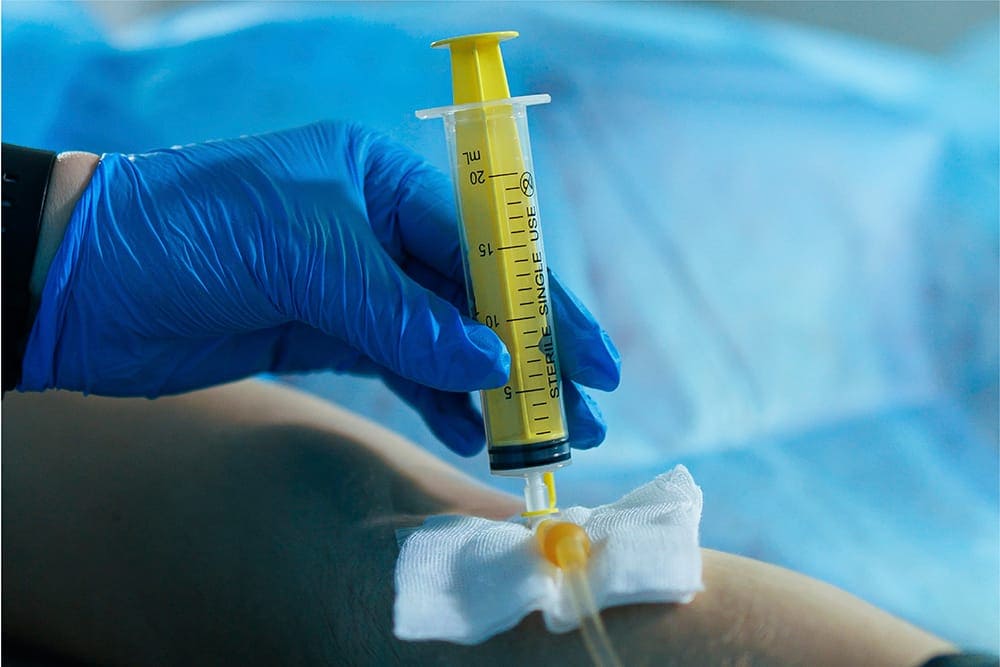
Acute & Chronic Pain Management
Our Pain Management Clinic provides evidence-based solutions outside of the operating theater, including post-operative pain, neuropathic pain, and cancer pain.
• Epidural steroid injections
• Nerve blocks and peripheral nerve ablation
• Radiofrequency ablation
• Multimodal analgesic protocols (opioid-sparing)
• Targeted pain therapies to accelerate recovery

Our anaesthesia department is governed by the IPSG (International Patient Safety Goals), which documents each guideline by referencing the best international practices to ensure maximum safety. As 1 in every 10 patients is being injured in the world in every healthcare delivery, patient safety has become the top priority of the department. Therefore, our systems of complication tracking, incident reporting, and quality auditing are in strict accordance with the WHO Patient Safety Programme to provide and ensure the best comparable results.

For every elective surgical patient, our specialized PAC Clinic provides a comprehensive pre-operative assessment, including a review of medical and surgical history, medication lists, allergies and current organ function. Our specialist anaesthetists are able to develop a completely tailored anaesthetic plan and pre-empt potential risks in advance of your operation, considerably decreasing intraoperative risks.
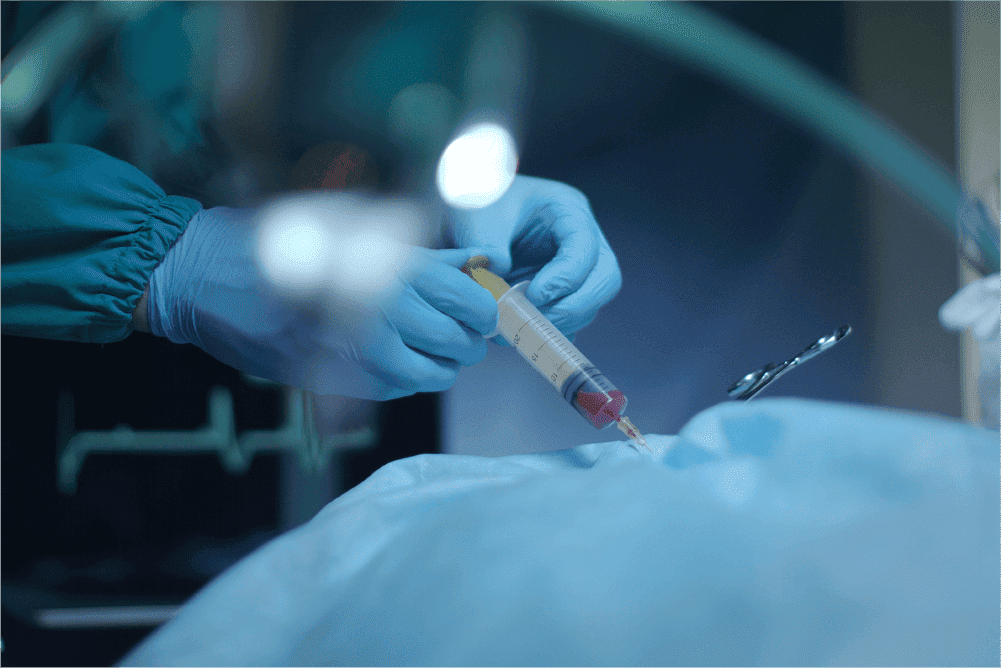
Our cardiac anesthesiologists can induce a state of full unconsciousness and analgesia for the most complex procedures or the most prolonged surgery by carefully titrating inhalational and intravenous drugs. General anesthesia for cardiac, neurological, oncological, and major abdominal surgery, respectively, is achieved with careful intraoperative monitoring of multiple parameters.

Regional anesthesia—including spinal blocks, epidurals, and peripheral nerve blocks—selectively numbs specific regions of the body, reducing opioid requirements and accelerating recovery. Particularly beneficial for orthopedic and spine surgeries, obstetric procedures, and urological cases. All procedures strictly adhere to IPSG safety protocols.

Our consultants are all highly qualified (MD/DA/DNB Anaesthesiology) and have additional subspecialty qualifications in cardiac, neuro, obstetric, and pediatric anesthesia.

with the latest anaesthesia workstations, 5 multichannel patient monitors, BIS (Bispectral Index) depth-of-anesthesia monitoring, and TOF (Train-of-Four) neuromuscular monitoring.

Through a comprehensive pre-operative assessment of every elective surgical patient to establish and reduce risks well before the day of operation.
We follow Enhanced Recovery After Surgery (ERAS) guidelines to minimize opioid use, reduce side effects, and get you home sooner.

Our on-call team is available around the clock for emergency surgical cases, accident & emergency admissions, and ICU escalations.

We follow government price guidelines and work with all major TPA partners to make quality anaesthesia care accessible.

Our complication tracking, critical incident reporting, and quality audits align with the standards of the WHO Patient Safety Programme, ensuring consistent, benchmark-driven outcomes.
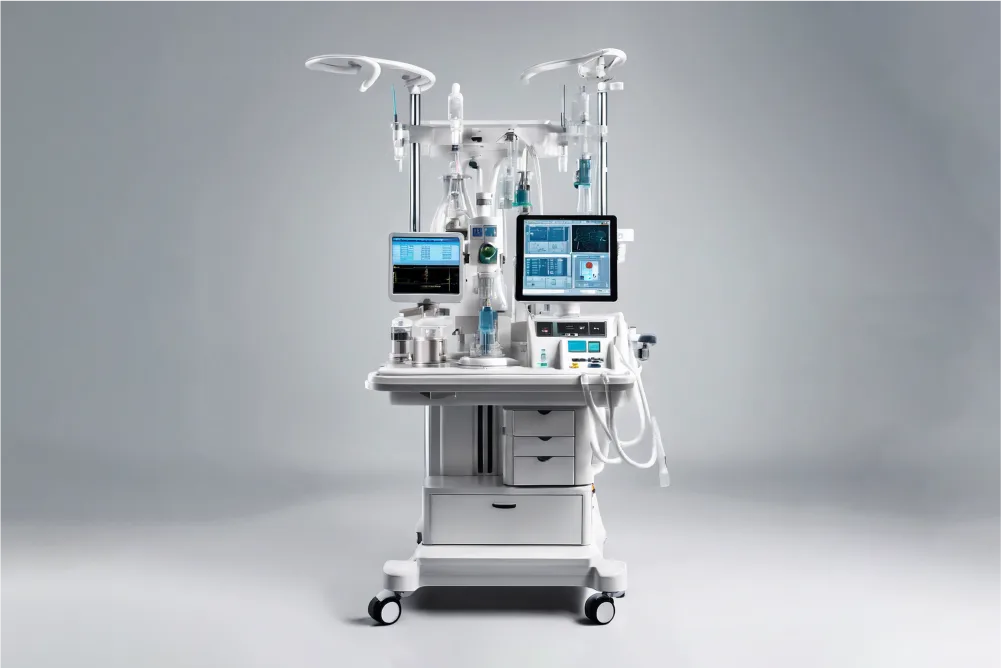
The department is equipped with state-of-the-art anesthesia workstations that integrate advanced monitoring systems and precise drug delivery mechanisms.

The anesthesia department utilizes comprehensive electronic medical records and information management systems to provide real-time access to patient data leading to improved patient outcomes and more efficient anesthesia care.
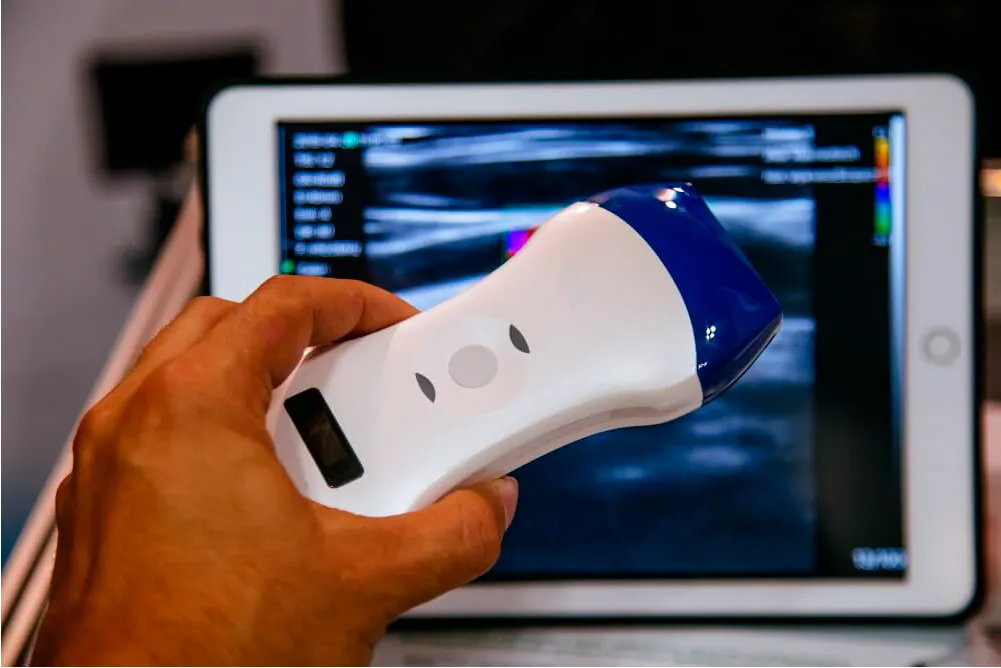
The department employs cutting-edge ultrasound technology for performing regional anesthesia procedures. This approach is particularly beneficial for pain management and minimizing the use of general anesthesia in certain surgeries.