

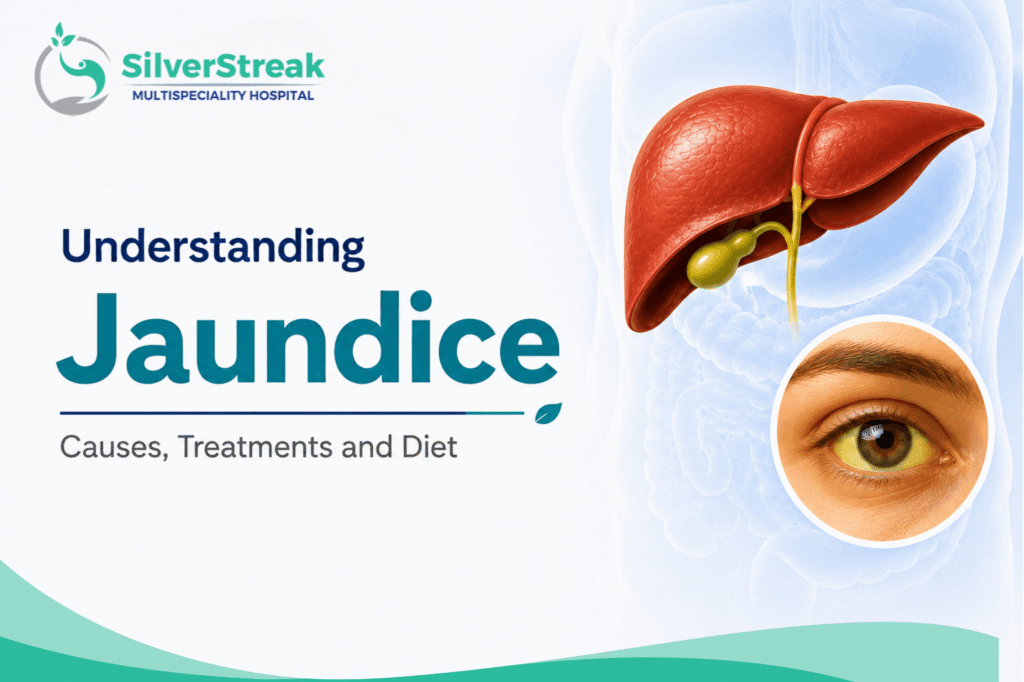
Jaundice is one of the most noticeable signs of internal problems with the liver or blood. It is characterized by a yellowish coloration of the skin and the sclera or the white part of the eyes. Although the condition itself is not dangerous, jaundice is a symptom of an underlying disease. Knowing the causes, the required jaundice treatment, and the most optimal diet can help fight jaundice and cure the disease that caused it.
What is Jaundice?
Jaundice is caused by an abnormally high level of bilirubin in the blood, which is referred to as hyperbilirubinemia. Bilirubin is a waste product that results from breaking down old red blood cells. Normally, the liver removes bilirubin from the blood and processes it so that it is expelled from the body with bile. However, sometimes the amount of bilirubin produced exceeds the amount processed by the liver, or there is an impediment that prevents the bile from being expelled from the body.
Types of Jaundice in Adults
In adults, there are three main types of jaundice, depending on the location of the disease
Pre-hepatic or hemolytic jaundice
This type occurs when there is too much bilirubin for the liver to handle.
Hepatic or parenchymatous jaundice
This type occurs due to malfunction of the liver.
Post-hepatic or obstructive jaundice
This type occurs when the flow of bile is hindered.
The most common cause of jaundice in adults is viral hepatitis, followed by gallstones, tumors, and cirrhosis. Other causes include the use of alcohol, obesity leading to fatty liver disease, drug abuse, and an untreated infection. Merck Manuel
Causes of Neonatal Jaundice
Jaundice occurs commonly and frequently among newborns. The condition is normal and typically passes within several weeks. Newborn jaundice is one of the most common findings during the first two weeks of a child’s life. Around 60% of term and 80% of preterm infants usually develop jaundice in the first week after birth as per NCBI Stat Pearls.
- hysiological jaundice generally develops after the first day of life because the liver is not yet developed enough to quickly break down bilirubin.
- Another reason for neonatal jaundice is that fetal hemoglobin breaks down faster, and the newborn’s liver must eliminate more bilirubin than an adult liver.
- The main other causes include breastfeeding jaundice, blood group incompatibility, breast milk jaundice, preterm birth, and infection.
Normal Range – Jaundice Bilirubin Levels
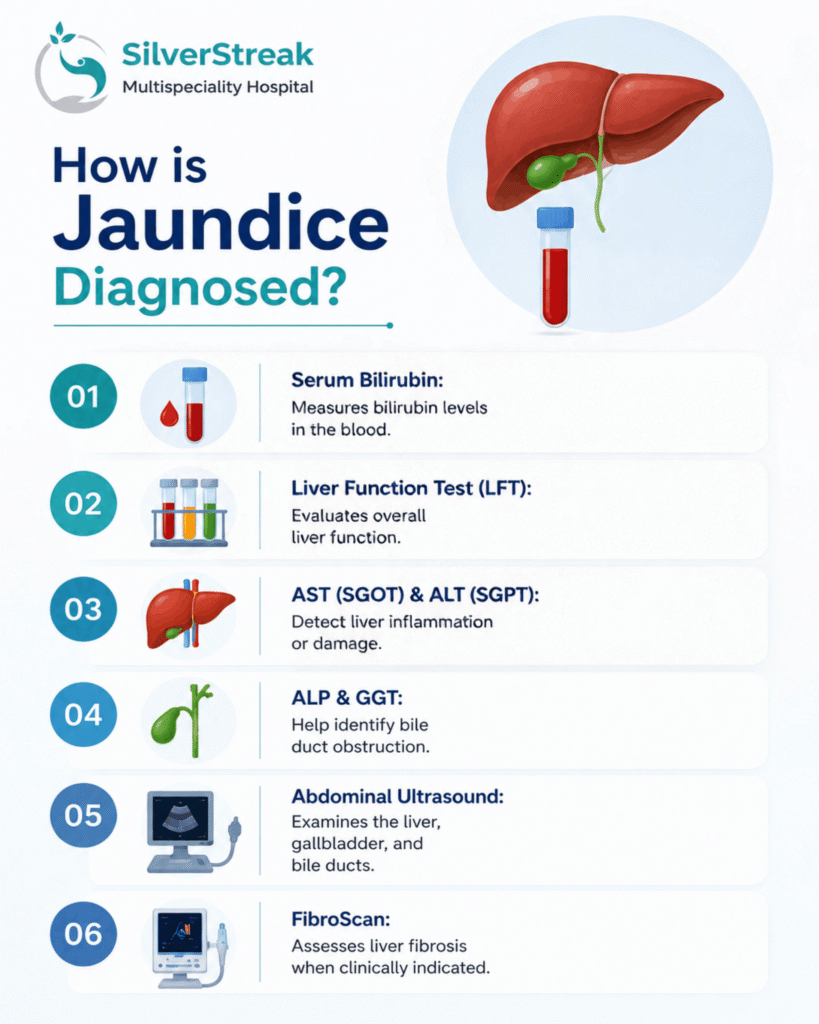
Bilirubin levels are measured with a simple blood test. The normal levels of bilirubin depend on many factors, including age. In adults, the normal range of bilirubin is roughly 0.3-1.2 mg/dL or 5.1-20.5 µmol/L.
The direct or conjugated bilirubin is only 10% – 30% of the total amount, or 0.1 – 0.3 mg/dL. Homed-IQ
The normal range of bilirubin in children also depends on the child’s age. In newborns, however, the bilirubin level is usually highest on day three or four after birth and then gradually decreases.
Jaundice Symptoms Checklist
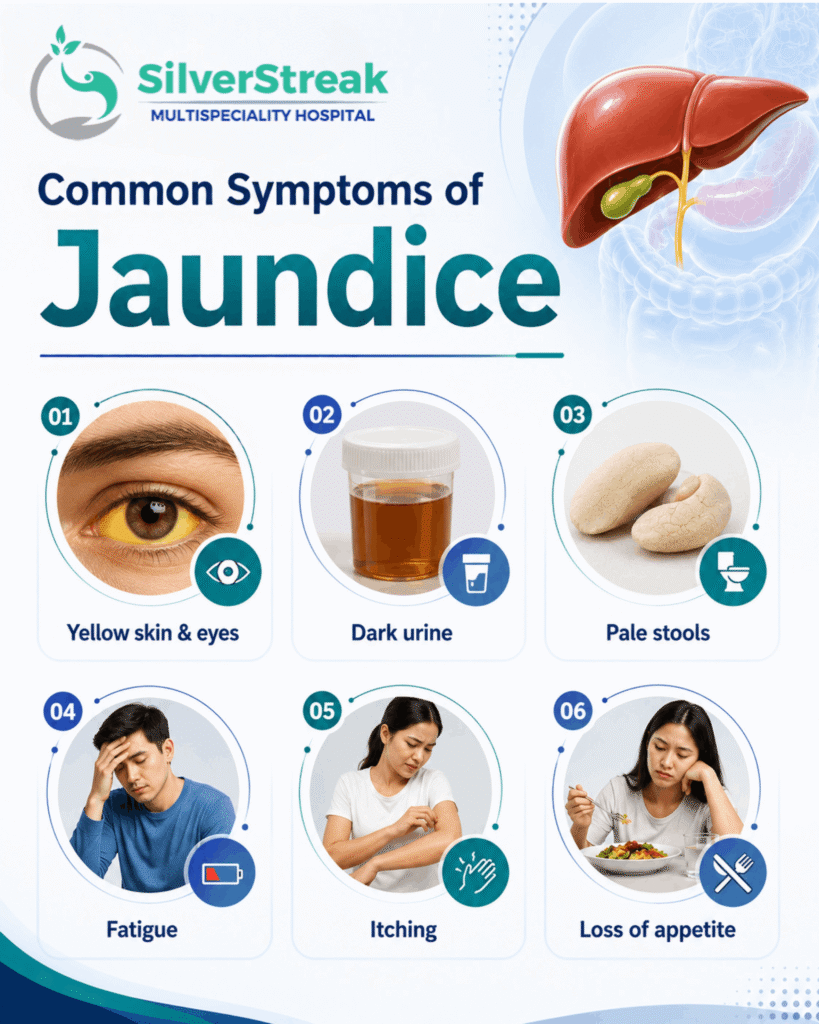
Among the most common symptoms of jaundice are:
- Yellowing of the skin and the whites of the eyes
- Dark urine
- Light or gray-colored stools
- Fatigue
- Itching
- Loss of appetite, nausea, or upper abdominal pain
- In newborns, sleepiness, poor feeding, and yellow coloring that often starts on the face and spreads to the rest of the body are also characteristic symptoms.
Jaundice Treatment – What You Should Know
Since jaundice is only a symptom of an underlying disease, the treatment of jaundice is the treatment of that disease. Some of the most common treatments for conditions causing jaundice include:
- The treatment of the underlying liver diseases such as hepatitis or cirrhosis.
- The removal of the obstruction if the problem was caused by a tumor or gallstones.
- Phototherapy or special light therapy for newborns with jaundice. It is a procedure that allows the body to get rid of bilirubin without processing it through the liver.
- An exchange transfusion for newborns whose bilirubin levels are very high.
Jaundice Medication / Drugs – Doctors’ Recommendations
There is no specific drug for jaundice in adults, but there are medications that treat the underlying diseases that cause jaundice. For example, the doctor may prescribe:
Jaundice Diet
Diet is one of the most crucial pillars of jaundice treatment since it helps reduce the burden on the liver.
Foods to Eat:
The foods that are allowed when you have jaundice include:
- Fresh fruits and vegetables
- Vegetables such as bottle gourd, carrots, and leafy vegetables,
- Coconut water, water, and fruit juices
- Cereals and wholegrain food products
- Dals, eggs, and lean meat for protein
- Herbs and herbal teas
Foods To Avoid :
The foods that are allowed when you have jaundice include:
- Alcohol, fried, and fatty foods
- Salty or processed foods
- Red meat and fatty meats
- Sugars and sweets
- Raw or underdone shellfish.
Home Remedies for Jaundice – The Easy and Quick Way to Help Your Liver Heal
A few home remedies for jaundice include:
- Adequate rest
- Drinking plenty of water and other fluids
- Eating light meals and avoiding fatty foods
- Avoiding any medication that may be harmful for the liver.
If the bilirubin levels are high, the patient should consult a doctor for further examination and testing. However, for neonatal jaundice, increased breastfeeding, eating unsweetened porridge, or exposing a child to sunlight can help the liver function better. Nevertheless, those remedies should not replace the proper medical treatment of the disease.
Why Choose SilverStreak Multispecialty Hospital for Jaundice Treatment
When faced with the problem of jaundice, people may ask themselves, who is the best doctor for jaundice? When to see a hepatologist for your jaundice condition? One of the best hospitals that treats jaundice is Silver Streak Hospital. The hepatologists at Silverstreak Hospital provide the appropriate treatment for all types of liver diseases that cause jaundice, such as viral hepatitis, fatty liver disease, cirrhosis, or autoimmune hepatitis. There is a non-invasive Fibroscan liver elasticity test available at Silver Streak Hospital, which allows for determining the most effective treatment for each patient.
The best hospital for liver disease has a team of experienced specialists who provide high-quality care and adhere to evidence-based medicine. When choosing SilverStreak Hospital for jaundice, the patient can be assured that they are in the hands of professionals with extensive experience in the field.
Dr. Abhijeet Ranjan, head of the department of hepatology
- Dr. Abhijeet Ranjan, head of the department of hepatology at SilverStreak Hospital is a gold medalist in DM Hepatology at Institute of Liver and Biliary Sciences, New Delhi.
- He has also authored various research articles and journals in the field of liver disease.
- Additionally, SilverStreak Hospital is a NABH-accredited multi-speciality hospital in Gurgaon that follows WHO patient safety guidelines.
- When the patient has jaundice, the hospital provides excellent care in collaboration with highly qualified doctors for the treatment of jaundice.
- For neonatal jaundice, the best hospital for babies with jaundice employs a team of experts at the Pediatrics and Neonatology departments. The equipment for Level 1 and 2 NICU and PICU and pediatric ventilators is available here .
The doctors at SilverStreak Hospital treat the patients with professionalism and dedication to ensure a speedy recovery.
If the person notices that their skin or the sclera has turned yellow, it is necessary to test bilirubin levels and consult a hepatologist as soon as possible. A timely examination and a course of therapy help to combat jaundice and the disease that caused it.
Frequently Asked Questions
Q1. Is jaundice contagious?
Jaundice itself is not contagious, but some of the conditions that can cause it, such as hepatitis, are.
Q2. How long does jaundice last?
Physiological jaundice in newborns usually disappears after a few weeks. The duration of jaundice in adults depends on the cause; it can range from a few days to several weeks.
Q3. Can jaundice be cured at home?
Most neonatal jaundice is physiological and usually goes away on its own. However, if the bilirubin levels are high, the doctor may recommend phototherapy. Jaundice in adults cannot be cured at home; the patient should consult a doctor to identify and treat the underlying cause.
Q4. What is the difference between physiological and pathological jaundice?
Physiological jaundice usually appears after the first or second day and disappears on its own. Pathological jaundice appears immediately after birth, or it disappears on the second day but reappears later.
Q5. What foods must be excluded from the diet during jaundice?
People who have jaundice should avoid alcohol, fatty and fried food, red meat, and foods high in sugar.