

World Heart Day 2026 – Theme, Risk Factors, Warning Signs & Heart Health Tips
Heart disease still tops the list of the world’s biggest health threats, and here’s the part that catches people off guard: it’s no longer just an “older person’s problem.” Doctors are seeing cardiac issues show up in patients in their twenties and thirties with growing frequency.
What’s driving this shift? A mix of familiar culprits, rising obesity, diabetes, smoking, high blood pressure, poor diets, sedentary lifestyles, and constant stress, along with a newer one that doesn’t get talked about enough: air pollution. Environmental exposure is increasingly recognized as a genuine contributor to cardiovascular risk.
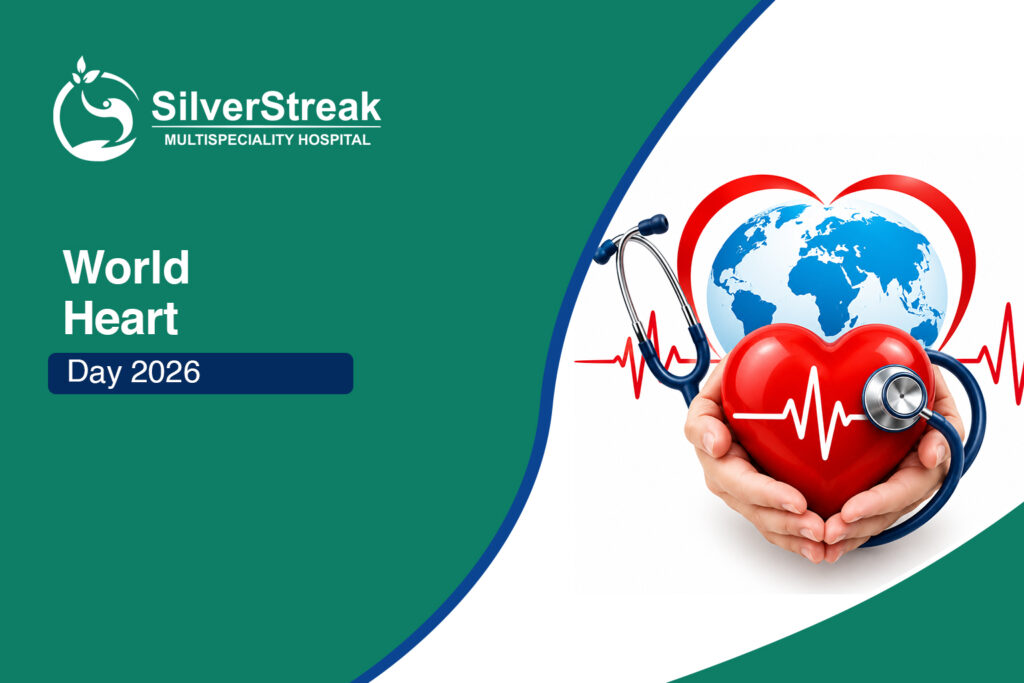
Every year on September 29, the world pauses for World Heart Day, a global effort to put cardiovascular health back in the spotlight, push people toward prevention, and remind everyone that catching warning signs early can be the difference between a scare and a tragedy.
This year’s theme, “Don’t Miss a Beat,” is a simple but pointed message: tune in to what your heart is telling you, and don’t brush off the signals.
Quick Facts About World Heart Day
What Is World Heart Day and When Is It Celebrated?
World Heart Day is an annual global health campaign observed every September 29. It’s dedicated to cardiovascular disease, heart disease and stroke in particular and focuses on practical, everyday steps people can take to lower their risk.
The 2026 campaign, built around the theme “Don’t Miss a Beat,” is really about attentiveness. Some heart conditions develop slowly and quietly, without dramatic symptoms, which is exactly why regular checkups and basic health awareness matter so much.
Why Do We Observe World Heart Day Every Year?
- Awareness campaigns and public messaging
- Free or discounted screening camps
- Educational talks and seminars
- Social media drives
- Community fitness events
- Public education on risk factors and warning signs
The underlying goal is simple: get people to understand their own risk and actually do something about it, rather than treating heart health as an abstract concern for “someday.”
What Is the History Behind World Heart Day?
World Heart Day isn’t a recent invention. It was established in 1999 by the World Heart Federation (WHF), working in partnership with the World Health Organization (WHO), to create a unified global response to rising cardiovascular disease rates.
The first official observance took place on September 29, 2000. Since then, it’s grown into one of the most widely recognized health awareness days worldwide, observed by hospitals, governments, and communities across dozens of countries.
Who Started World Heart Day and Which Organization Leads It?
The World Heart Federation leads the initiative every year, choosing a fresh campaign theme designed to spotlight a specific angle of heart health, whether that’s risk awareness, prevention, access to care, or, this year, simply paying closer attention to your body’s signals.
What Are the Main Risk Factors for Heart Disease in 2026?
Some risk factors are within your control. Others aren’t. Knowing which apply to you is the real starting point for prevention:
- High blood pressure
- Elevated LDL ("bad") cholesterol
- Diabetes or poorly controlled blood sugar
- Smoking or any tobacco use
- A sedentary lifestyle
- A diet heavy in processed foods
- Being overweight, especially with abdominal fat
- Chronic, unmanaged stress
- Poor sleep quality
- Excessive alcohol consumption
- Increasing age
- Family history of cardiovascular disease
- Kidney disease
- Certain chronic inflammatory conditions
Having one or two of these doesn’t guarantee heart disease, but it’s more than enough reason to raise the topic with your doctor.
Can Young Adults in Their 20s and 30s Really Get Heart Disease?
Yes and this is one of the more overlooked realities of modern heart health. Sedentary desk jobs, high-stress routines, processed diets, irregular sleep, and rising pollution levels are pushing cardiovascular risk into younger age groups far more than in previous decades. Heart disease is no longer something you can safely postpone thinking about until midlife.
What Are the Early Warning Signs of Heart Disease You Shouldn't Ignore?
Symptoms vary from person to person, which is part of what makes heart disease easy to miss. Pay attention to:
- Chest pain, tightness, or pressure
- Breathlessness that feels disproportionate to activity
- Persistent, unexplained fatigue
- A racing, fluttering, or irregular heartbeat
- Pain that spreads to the arm, shoulder, jaw, neck, back, or upper abdomen
- Sudden dizziness or lightheadedness
- Nausea or unexplained sweating, especially alongside other symptoms
Is Chest Pain Always a Sign of a Heart Attack?
No. Chest pain can come from muscle strain, acid reflux, anxiety, and several other non-cardiac causes. But when it’s sudden, severe, persistent, or paired with breathlessness, sweating, dizziness, nausea, or pain radiating outward, treat it as a medical emergency and get checked immediately.
How Can You Keep Your Heart Healthy Every Day?
Eat with intention
Fill your plate with vegetables, fruit, whole grains, and legumes, and go easy on salt, added sugar, and ultra-processed food.
Move regularly
You don't need an intense training regimen, consistent, moderate activity suited to your fitness level does real, lasting work for your heart.
Cut out tobacco
This includes limiting secondhand smoke exposure, which carries its own cardiovascular risk.
Protect your sleep
Poor sleep quality is linked to a surprising number of cardiovascular risk factors.
Manage stress deliberately
Exercise, better sleep, mindfulness, or simply talking things through with someone all help, chronic stress quietly wears down heart health over time.
Track your numbers
Blood pressure, blood sugar, cholesterol, and weight, know them and check them regularly, especially if you already have a diagnosed condition.
Maintain a healthy weight
It eases pressure on nearly every other risk factor on this list.
What Lifestyle Changes Lower Your Risk of Cardiovascular Disease?
Beyond daily habits, the biggest risk reduction usually comes from consistency: sticking with a heart-healthy diet and activity routine over months and years, not just during a health scare. Quitting smoking, controlling blood sugar and blood pressure, and getting quality sleep compounds over time, these aren’t quick fixes, but they’re the interventions with the strongest long-term payoff.
What Heart Health Tests Should You Get Done Regularly?
Blood tests
Including a lipid profile, fasting glucose and HbA1c, cardiac troponin (when a heart attack is suspected), thyroid function tests, a CBC, and BNP testing for suspected heart failure.
Cath Lab procedures
For patients who need coronary angiography, angioplasty, stenting, PCI, or FFR assessment, guided by a cardiologist's clinical judgment.
ECG (Electrocardiogram)
A quick, painless check of your heart's electrical rhythm, useful for spotting abnormalities or past injury.
2D Echocardiography
Ultrasound imaging that shows how well your heart's chambers, muscle, and valves are functioning.
CT Coronary Angiography
Detailed imaging of the coronary arteries for patients with suspected coronary artery disease.
Treadmill Test (TMT)
An exercise stress test that reveals how your heart responds to physical exertion.
What Does a Preventive Heart Checkup Package Include?
SilverStreak Hospital’s Healthy Heart Package , ₹3,099 includes:
- Cardiology consultation
- Complete Blood Count (CBC)
- Fasting blood glucose
- HbA1c
- Lipid profile
- Kidney Function Test (KFT)
- ECG
- 2D Echocardiography
(Package inclusions and pricing are subject to change , please confirm current details with the hospital before booking.)
Why Is Early Detection Important for Heart Disease?
How Is World Heart Day Observed Around the World?
Activities differ by country and community but typically include:
- Heart health awareness campaigns
- Screening and checkup camps
- Educational seminars
- Workplace and school programs
- Social media campaigns
- Community fitness initiatives
Why Is World Heart Day Important for Public Health?
Cardiovascular disease remains one of the leading causes of death globally. World Heart Day exists to keep that fact in front of people, not as a scare tactic, but as a prompt to understand personal risk, recognize warning signs, and take preventive steps before a crisis forces the issue.
Conclusion
“Don’t Miss a Beat” isn’t just a catchy theme , it’s a genuine nudge to stop tuning out your body’s warning signals. Pair that awareness with regular checkups, honest lifestyle changes, and timely medical care, and you stack the odds firmly in your favor.
If you’ve noticed chest discomfort, breathlessness, palpitations, or fatigue that won’t quit, don’t wait for it to pass on its own, talk to a cardiologist.
Frequently Asked Questions
Q1. Who Organizes World Heart Day Globally?
Q2. Does Chest Pain Always Mean a Heart Attack?
Not necessarily, but sudden, severe, or symptom-paired chest pain should always be treated as an emergency.
Q3. How Do People Celebrate World Heart Day?
Through screening camps, awareness drives, educational talks, workplace and school programs, and social media campaigns.
Q4. Why Should You Care About World Heart Day 2026?
Because cardiovascular disease is largely preventable when caught early, and this campaign exists to help you catch it early.
Q5. What Tests Are Included in SilverStreak Hospital's Heart Health Package?
A cardiology consultation, CBC, fasting glucose, HbA1c, lipid profile, kidney function test, ECG, and 2D echocardiography, all for ₹3,099.