


Advanced Hernia Treatment and Surgery
at SilverStreak, Gurgaon
Are you dealing with a painful bulge or discomfort in your groin or abdomen? Safe and effective hernia treatment in Gurgaon at SilverStreak Hospital can permanently repair your tissue wall and quickly get you back to living a completely pain free life.
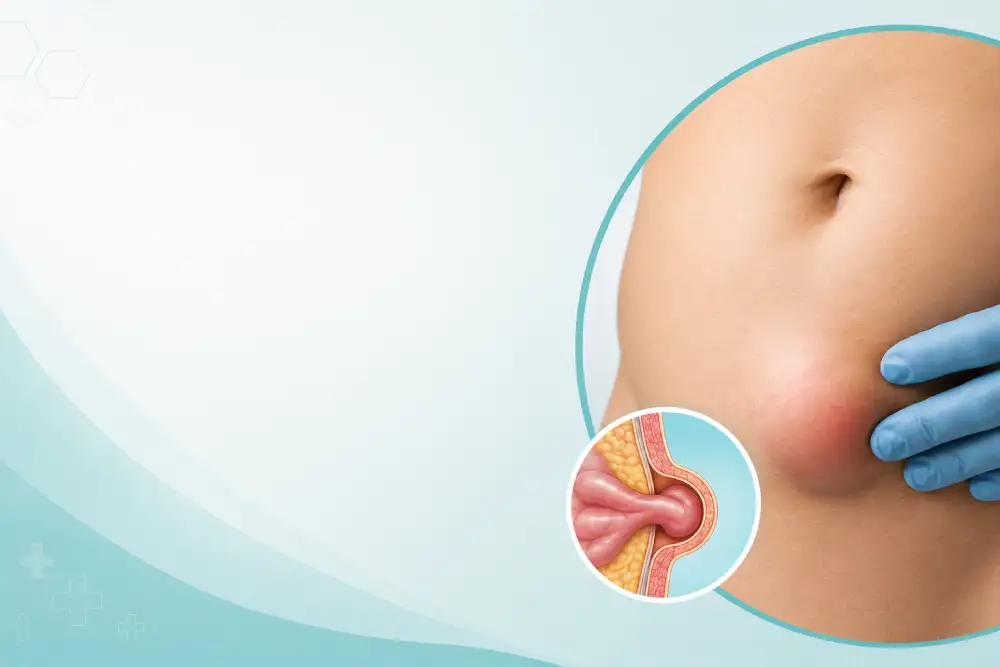
A hernia occurs when an internal organ pushes through a weak spot in your surrounding muscle or tissue layer. It will not heal on its own and needs evaluation by a medical professional. This detailed guide will let you know about the various types of hernias, your diagnostic options, and the most effective treatment pathways available today.
According to global clinical data published in the Global Burden of Disease Study via PubMed, the absolute number of global hernia cases has surged by 36% over recent decades with total prevalent cases reaching over 32.5 million individuals worldwide.
What is a Hernia and Why Do They Develop?
A hernia develops when part of an organ pushes through an opening in the muscle wall that keeps it in place. This most frequently happens in the belly or groin area. You might notice a visible lump that becomes more obvious when you stand up, bend over or cough.
Many hernias develop due to a combination of muscle weakness and physical strain. Some people are born with naturally weak abdominal muscles and others develop weakness over time due to aging or repetitive physical stress.
Common Triggers for a Hernia
- Lifting heavy weights or objects without proper support, which can also lead to musculoskeletal conditions affecting your bones and joints.
- Chronic coughing, sneezing or persistent straining.
- Gaining weight quickly or during a pregnancy.
- Straining during bowel movements due to constipation.

Understanding Types: Direct vs Indirect Hernia
If you have a bulge in your groin, it is most likely an inguinal hernia. These groin hernias are divided into two primary categories based on how they form. Understanding the difference between a direct vs indirect hernia helps our medical experts choose the absolute best surgical approach for your body.
An indirect hernia is often congenital which means a person is born with a natural weakness in their inguinal canal. A direct hernia usually develops later in life due to the gradual wearing down of the lower abdominal wall muscles.

Your Best Treatment for Hernia Plan
When it comes to finding the best treatment for hernia, surgery is the only best method to permanently fix the structural tear in the muscle layer. Lifestyle changes and supportive undergarments can temporarily reduce your daily discomfort but they cannot fix the underlying hole.
At SilverStreak Hospital, we specialize in customized surgical care. Our surgical team evaluates your physical health, lifestyle and the size of the bulge to build a personal recovery roadmap just for you which ensures you get the absolute treatment for hernia.
Modern Repair Methods We Adopt
- Open Hernia Repair: The surgeon makes a single incision near the bulge, moves the tissue back into its proper place and sews the muscle wall shut using a supportive medical mesh.
- Minimally Invasive Repair: Using small keyhole cuts and thin specialized tools, surgeons repair the muscle wall internally with minimal disruption to surrounding tissue.
Why Do We Use Medical Mesh for Repairs?
During most surgeries, we place a tiny flexible medical mesh over the weak spot in your muscle. This mesh acts like a strong support wall that holds your tissues safely in place while you heal. Using mesh makes the repair much stronger, helps you get back to your routine faster and greatly lowers the chance of the hernia ever coming back.
Laparoscopic Inguinal Hernia Repair: The Modern Approach
For hernias located in the groin area, laparoscopic inguinal hernia repair is highly recommended for most eligible patients. This advanced technique depends on tiny keyhole incisions instead of a large open wound which reduces post-operative pain. Our dedicated keyhole and low-impact surgical care department handles these procedures with precision and care.
During this precise procedure, our surgeon inserts a miniature camera into one of the tiny incisions. This gives our surgical team a magnified view of the damaged tissue wall which allows them to perform a highly successful laparoscopic inguinal hernia repair and place a durable medical mesh over the opening with extreme precision.
What Are the Benefits of Keyhole Hernia Surgery?
Choosing a keyhole or laparoscopic procedure comes with many great benefits for your recovery. As the cuts made in your skin are so small, your body does not need to heal from a large surgical wound.
Why Patients Prefer This Approach:
- Less Pain After Surgery: Small cuts mean much less soreness as you heal.
- Faster Return to Work: Most people can get back to their normal routines and desk jobs within just a few days.
- Tiny, Minimal Scars: The keyhole marks are very small and fade away quickly over time.
- Lower Risk of Infection: Smaller wounds are much easier to keep clean and carry a lower risk of standard complications.
What Happens During Keyhole Hernia Surgery?
Understanding the process can help you feel completely comfortable on the day of your treatment. The entire procedure is performed when you are asleep under safe general anesthesia administered by our expert team which means you will not feel a single thing.
Our surgeon fills your abdomen with a safe temporary gas to create space to work. Using a thin tube with a light and camera on the end, they look at the tear from the inside. The surgeon then carefully pushes the tissue back into its proper place and uses a flexible mesh patch to cover and reinforce the weak abdominal layer.
Step by Step Guide to Your Surgical Journey
We understand that preparing for surgery can feel overwhelming. Our team is dedicated to supporting you through every phase of your medical procedure. Check out below to know what you can expect when choosing our advanced hernia surgery pathway.

Initial Medical Consultation - Before Surgery
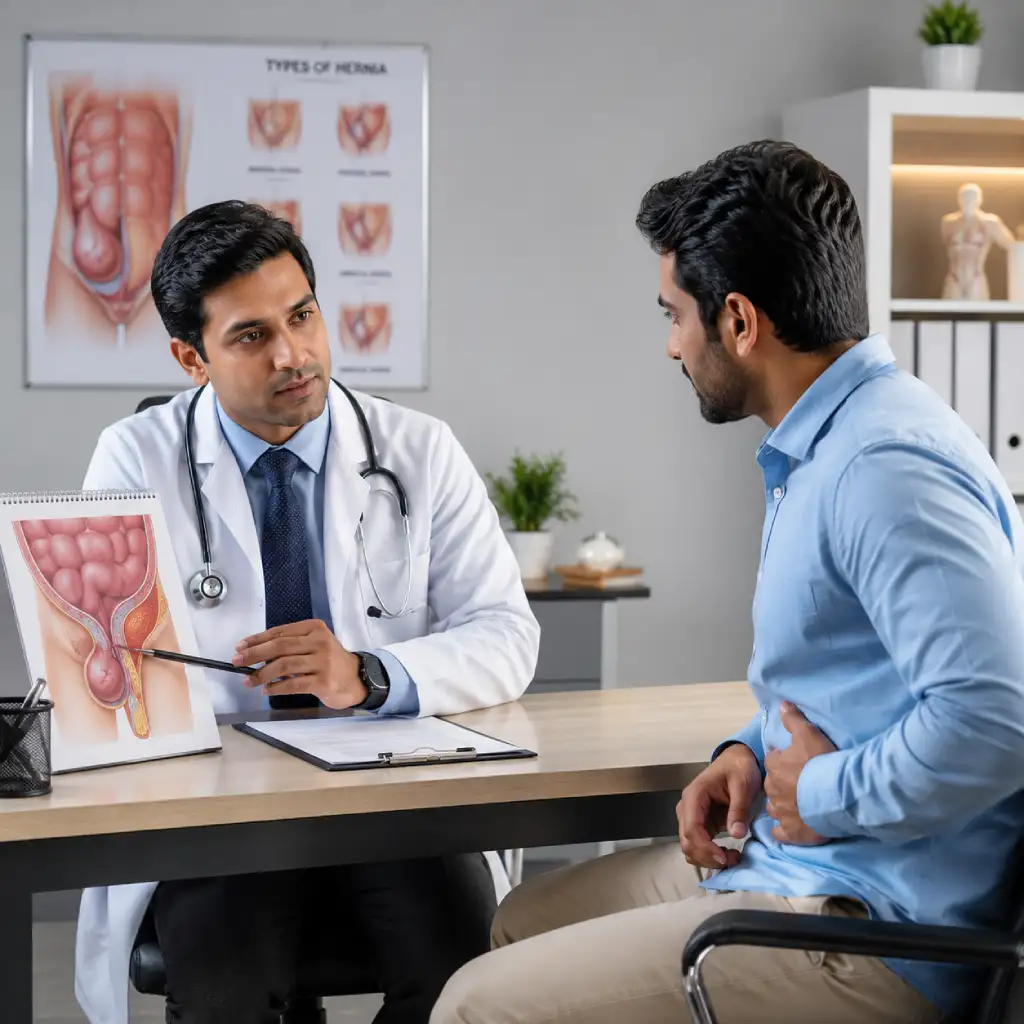
Meet with our experienced general surgery team for a physical examination and diagnostic imaging to plan your customized repair path. You can also consult our trusted physician for your initial health assessment before referral. During this initial visit, our surgeon will explain the best surgical techniques properly for your specific type of hernia. It is also the perfect opportunity for you to ask questions and discuss your medical history.
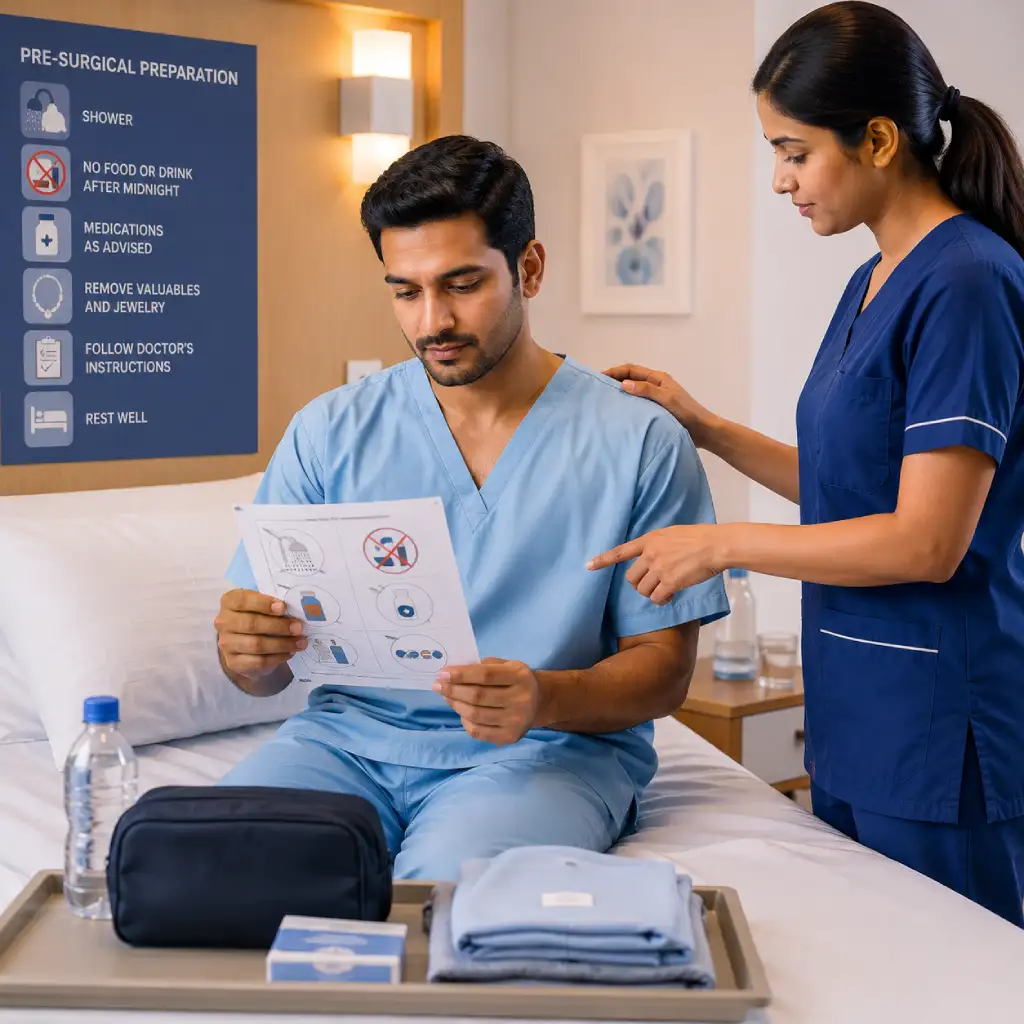
Pre-Surgical Preparation - Day Before Surgery
Follow specific fasting guidelines and adjustments to regular medications as directed by our medical staff to ensure a safe procedure. Getting your body ready properly helps prevent common complications and ensures the anesthesia works exactly as it should. Our clinical team will give you a clear checklist of what to eat and drink so that you can feel completely relaxed.
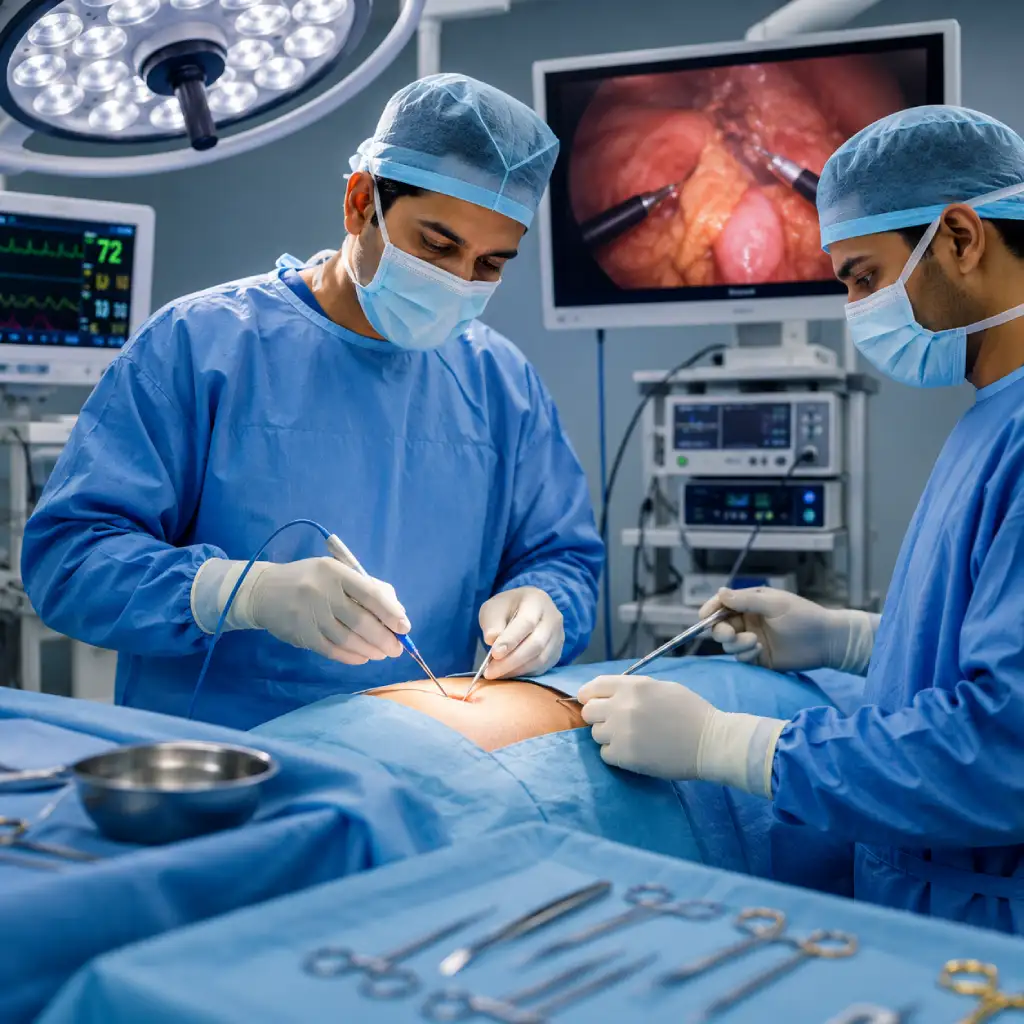
The Surgical Procedure - Day of Surgery
Our surgical team repairs the tissue wall under anesthesia using advanced minimally invasive techniques designed for rapid healing. You will be kept completely comfortable and pain-free throughout the entire operation while our experts secure the weakened muscle layer. Once the repair is safely finished, you will be smoothly transitioned to a quiet room where our nursing staff can monitor your initial waking hours.
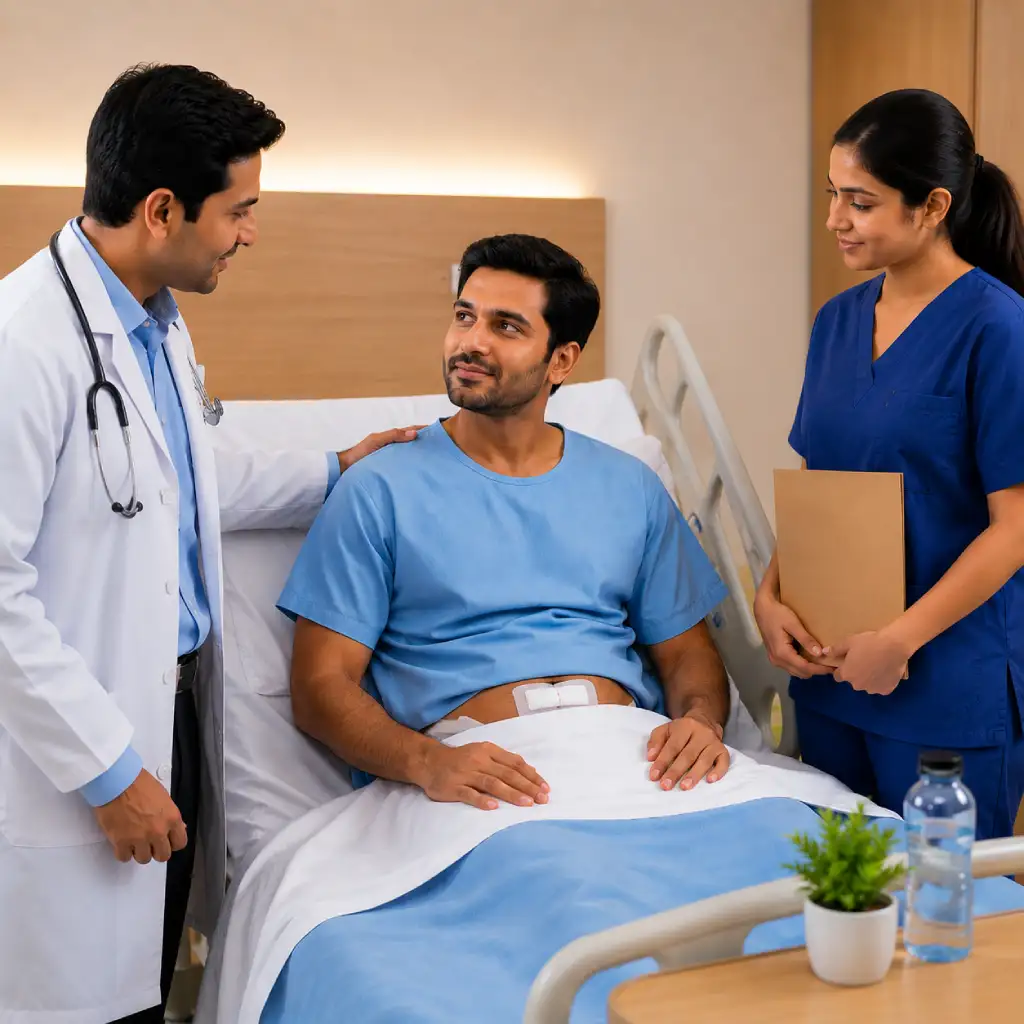
Recovery and Discharge - Post-Surgery
Rest in our recovery lounge for a few hours before going home with detailed instructions for wound care and pain management. Our medical staff will carefully check your vital signs and make sure you can comfortably stand up and walk before you leave. We will also schedule your follow-up appointments and give you a clear guide on how to take proper rest at home.

Why Choose SilverStreak for Hernia Treatment or Surgery?
If you are looking for a trusted hernia specialist near me, SilverStreak Hospital offers world-class surgical expertise right in your local community. Our advanced operating rooms are fully equipped with the latest surgical technology to guarantee the highest safety standards for your hernia surgery.
Our highly qualified surgical experts in Gurgaon have successfully performed thousands of complex tissue repairs. We focus on advanced techniques that lower your risk of recurrence, reduce post-surgical discomfort and get you back to your regular routine as quickly as possible. For more information on surgical safety standards, you can review the Mayo Clinic Surgical Guidelines.
When to Visit a Doctor?
You should schedule a medical appointment as soon as you notice a persistent lump or feel a dull ache in your groin or belly area. A hernia will not go away on its own, and getting professional hernia treatment early makes the recovery process much easier. If the lump grows larger or hurts when you lift things, it is time to have a certified hernia specialist near me look at it.
When is a Hernia an Emergency?
Sometimes, a hernia can become a serious medical emergency. If the tissue gets trapped in the muscle wall, it can cut off blood flow completely. Have a look at our Critical Care Unit to understand how we monitor high risk symptoms before and after your hernia treatment.
Patient Safety Note: Seek immediate emergency medical care if your hernia lump suddenly turns red or purple, causes severe pain or if you start throwing up and cannot pass gas.
Book Your Appointment
Do not let physical discomfort hold you back from enjoying your daily life. Contact our friendly support desk or visit our online SilverStreak Appointment Portal to schedule your consultation for high quality hernia treatment with a certified specialist today.