




All have dealt with a scratchy throat or a sudden fever at some point. Often, the culprit is a virus. But what is a viral infection exactly? It usually occurs when tiny germs called viruses enter your body and begin to multiply. These microscopic germs can affect almost any part of your body right from your lungs to your skin.
Common viral infection symptoms include fatigue, body aches and a runny nose. Most people recover on their own, but understanding how these infections work is key to staying healthy. Your immune system response is your body’s best defense which work hard to identify and destroy these germs.
In this blog, you will know about viral illnesses, how they differ from bacteria and when you should seek professional medical help.
What Is a Viral Infection?
A viral infection is a health condition caused by a virus. It is a small parasite that cannot reproduce on its own. A virus breaks into a healthy cell in your body to survive and make more viruses. This usually hurts or destroys the cell which is why you start feeling sick.According to the Global Burden of Disease study, respiratory viral infections is one of the top five causes of doctor visits worldwide.
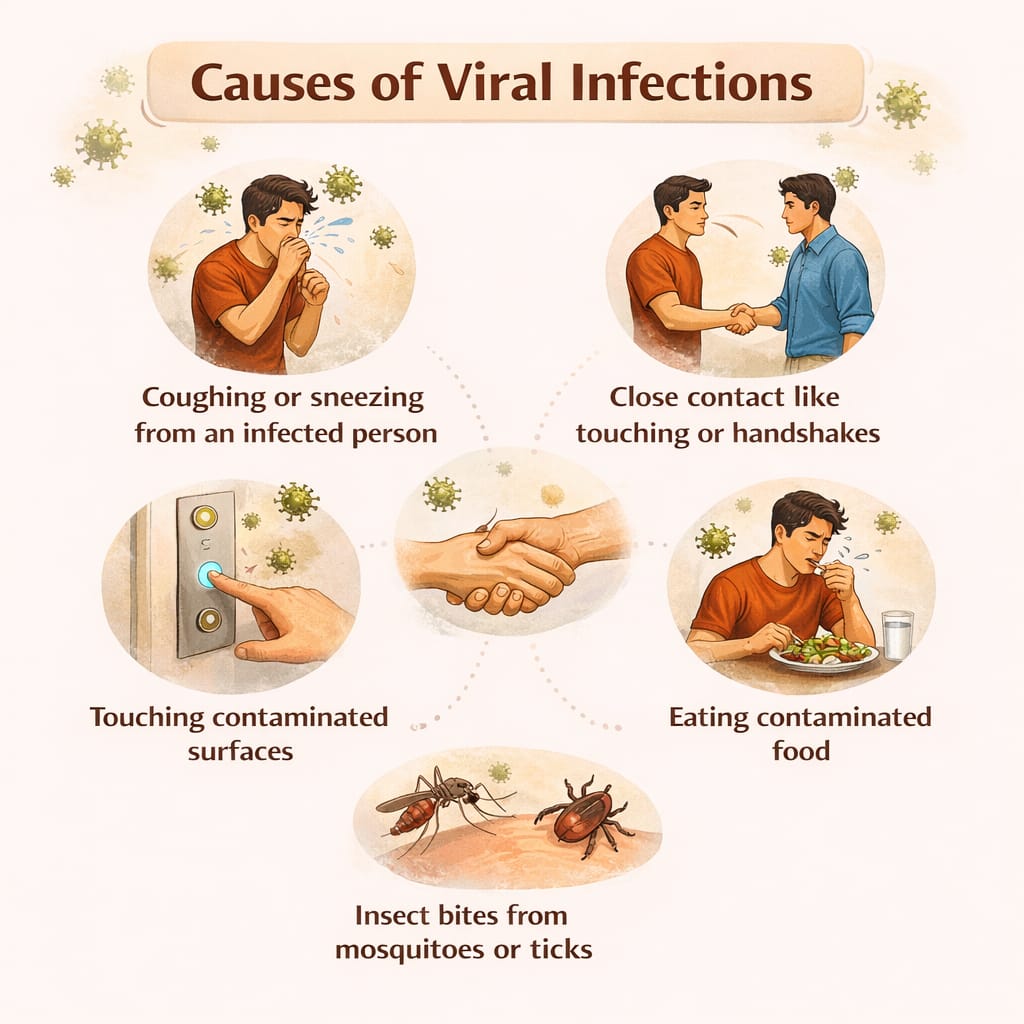
Causes of Viral Infections
These contagious infections spread in different ways. When you understand these causes, it will help you to stay healthy. Key fever causes and ways of spreading are as follows:
- When an infected person coughs or sneezes.
- Touching someone who is sick or shaking their hands.
- Touching doorknobs or phones where viruses live.
- Consuming items that are contaminated by certain viruses like Norovirus.
- Some viruses are spread by insects like mosquitoes or ticks.
Symptoms of Viral Infection in Adults
Recent clinical data from 2025 health audits shows that symptoms usually appear in a certain order. The following common symptoms of viral infection in adults were reported:
- Fever (82% of cases): A high temperature is a very common response of theimmune system as the body tries to get the germs out.
- Fatigue (74% of cases): Feeling tired is a signal that your body is using all its energy to fight.
- Cough and Congestion: Common in contagious infections like the flu or RSV.
- Muscle Aches:It is usually caused by chemicals namely cytokines that your body releases to kill the virus.
Viral vs Bacterial Infection: Key Differences
It is a common mistake to think that all infections are the same. But, the viral vs bacterial infectioncan show you thatthe treatments for both are completely different.
| Feature | Viral Infection | Bacterial Infection |
| Cause | Tiny viruses (need a host) | Single celled bacteria (can live anywhere) |
| Treatment | Rest, fluids and antivirals | Antibiotics |
| Duration | Usually 1 to 2 weeks | May last longer without medicines |
| Examples | Flu, Cold and COVID 19 | Strep throat, UTI and Ear infection |
Note: Antibiotics do not kill viruses. Taking antibiotics for a viral infection can lead to antibiotic resistance and will not make you feel better.
Common Viral Diseases
There are thousands of viruses, but a few like given below are responsible for most of the doctor visits:
- Influenza (The Flu): It is known for sudden high fever and severe body aches.
- The Common Cold: It is usually milder than the flu which focuses on the nose and throat.
- COVID 19: It is a respiratory virus that can affect multiple organs.
- Gastroenteritis: It is often called the stomach flu but it is not related to influenza.
- Chickenpox and Shingles: These are viruses that stay in the body for a long time.
Treatment and Remedies
Most viral infections are self limiting which means your body clears them on its own. Research from the World Health Organization shows that supporting the immune system is the fastest way to recover.
Home Remedies
- Hydration: Drink plenty of water, herbal tea or broth to prevent dehydration.
- Rest: Sleep allows your body to take all energy toward the immune response.
- Steam Inhalation: Helps clear congested airways and soothe a sore throat.
- Saltwater Gargle: Reduces inflammation in the throat.
Medical Treatment
- Antivirals: These are not for every virus, but they can shorten the flu or treat chronic viruses like Hepatitis.
- Over-the-Counter Medicines: Medicines like ibuprofen or acetaminophen help manage fever and pain.
- Vaccines:It is the most effective way to prevent serious viral diseases before they start.
Lifestyle Changes
- Balanced Diet: Focus on Vitamin C and Zinc-rich foods to support your white blood cells.
- Stress Management: High stress weakens your immune system.
- Proper Hygiene: Frequent handwashing will help you to stay away from viral infections.
When to See a Doctor?
Most viruses pass, but some can become dangerous. You should visit a doctor if you have any:
- Shortness of breath or chest pain.
- A fever that lasts more than 3 to 5 days or exceeds 103°F ($39.4°C$).
- Inability to keep fluids down or very dark urine.
- Sudden dizziness or mental fog.
- If you are asking how long does a viral infection last and you are still sick after 10 to14 days, it might be a secondary infection.
When to Visit a Hospital in Gurgaon?
If your symptoms are severe or persistent, it is important to seek professional doctors. For residents in the Delhi-NCR region, you can consult an Expert Physician in Gurgaon.
Whether you need advanced diagnostic testing to determine if your illness is viral or bacterial or if you need emergency hydration, they offer top care to help you get back on your feet. Early diagnosis can prevent diseases like pneumonia or bronchitis.
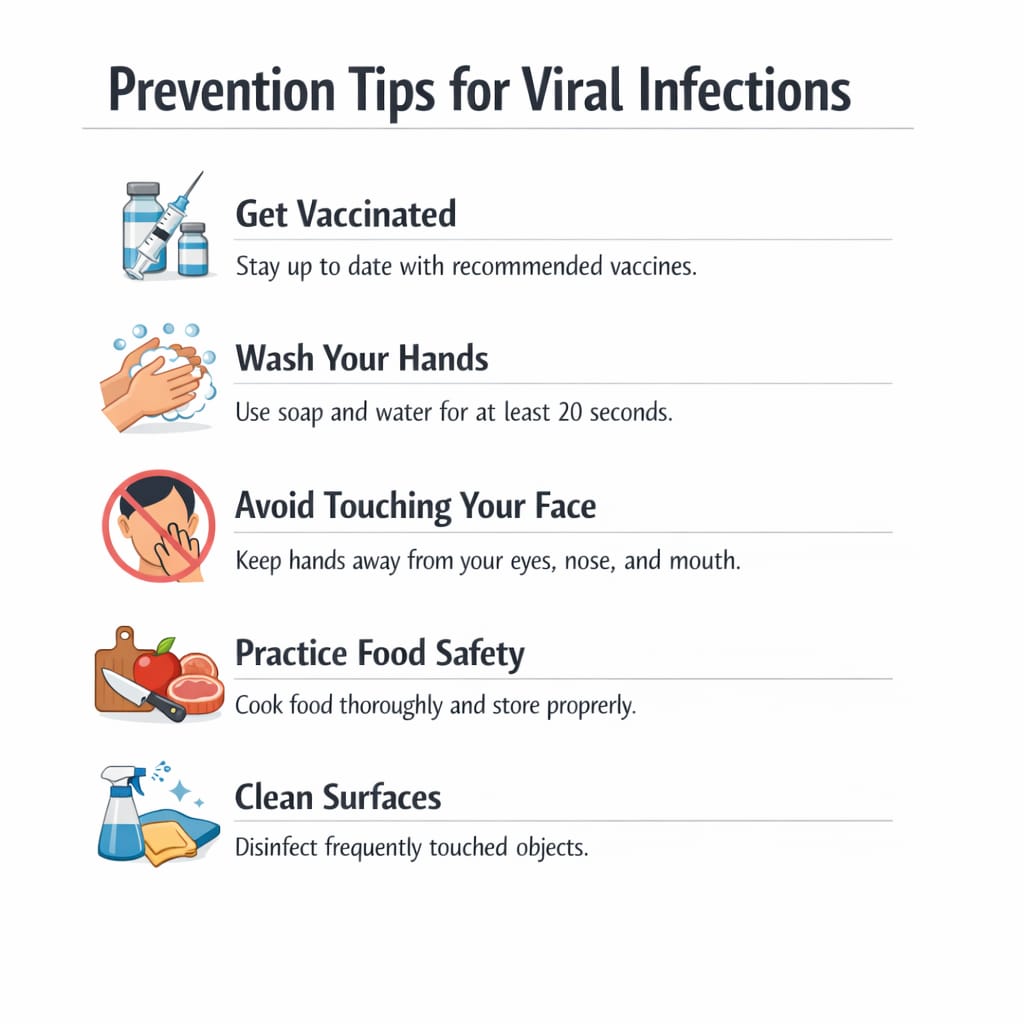
Prevention Tips
Preventing contagious infections is easier than treating them. Simply follow the steps given below:
- Get Vaccinated: Keep up to date with flu and COVID-19 shots.
- Wash Your Hands: Use soap and water for at least 20 seconds.
- Avoid Touching Your Face: Viruses enter through the eyes, nose and mouth.
- Practice Food Safety: Wash fruits and vegetables thoroughly.
- Clean Surfaces: Use disinfectants on high-touch items like keyboards and phones.
FAQs
A viral infection is caused by microscopic organisms called viruses. These can get inside your body through the air, food or from surfaces. Once inside, they use your cells to replicate which cause the illness.
Most common viral infections like the cold or flu last between 7 to 10 days. But, some symptoms like a cough or fatigue can last for several weeks. If symptoms persist beyond two weeks, you must consult a doctor.
The best treatment for most viruses is supportive care like rest, fluids and medication. Antibiotics do not work. For specific viruses, doctors may prescribe antiviral drugs to reduce the severity of the illness.
No, a fever is actually a sign that your immune system response is working. The higher body temperature makes it harder for the virus to break. But, very high or long lasting fevers should be monitored by a professional.
Do not let a viral infection pull you down. If your symptoms are getting worse or if you just want peace of mind, our medical team at SilverStreak Multispecialty hospital is here to help. So book your consultation today and get an expert opinion early to recover faster and stay safe.