
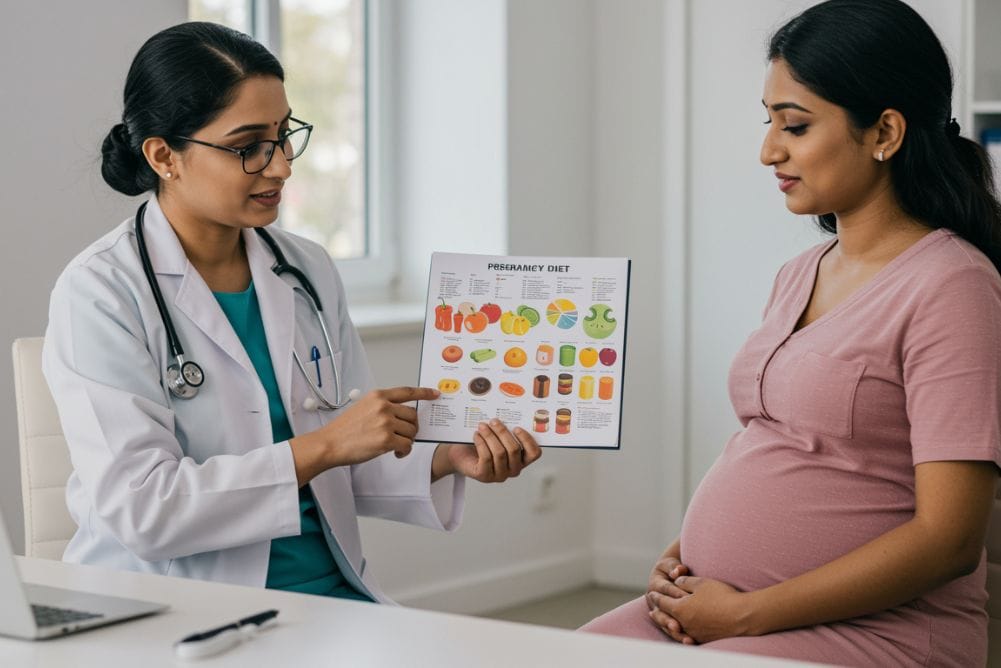
If you’re looking for the most accurate, doctor-approved diet chart for pregnant women, this guide is for you.
During pregnancy, your body needs a balanced diet packed with essential nutrients to support both your health and your baby’s growth and development. A well-structured pregnancy diet improves your immunity, stabilizes blood pressure, and ensures healthy birth weight—making it one of the most important parts of a safe pregnancy.
At Silverstreak Hospital, our best gynaecologist in Gurgaon and nutrition team has crafted this complete Indian pregnancy diet plan that includes:
- Trimester-wise diet chart for pregnant women (Veg & Non-Veg)
- Foods rich in iron, calcium, protein, and folic acid
- What to avoid: raw eggs, undercooked meats, fruit juices with added sugar, junk food
- Pro tips for hydration, digestion, and boosting energy naturally
Whether you’re in your 1st, 2nd, or 3rd trimester, this updated pregnancy meal plan ensures a healthy pregnancy without guesswork.
Let’s get into the exact daily meal chart, nutrition tips, and foods to avoid during pregnancy—based on your body’s changing needs.
Why Nutrition During Pregnancy Is Non-Negotiable
Pregnancy isn’t just about eating more — it’s about eating right. Your growing baby depends entirely on you for essential nutrients that fuel fetal growth, organ development, and brain function. And for the mother, a balanced diet supports immunity, energy, and hormonal stability throughout these life-changing nine months.
Why a Balanced Diet Matters
Your baby’s development begins in the very early stages of pregnancy — sometimes even before you know you’re expecting. Nutrients like folic acid, calcium, iron, omega-3 fatty acids, and protein play a direct role in forming the brain, spine, bones, and heart.
For mothers, a nutritious diet:
- Supports healthy weight gain
- Reduces risk of anemia and gestational diabetes
- Minimizes extreme fatigue, swelling, and hormonal imbalances
- Helps maintain a healthy pregnancy without complications
At Silverstreak Hospital, our doctors often say: “Every bite during pregnancy either nourishes or neglects — choose wisely.”
Risks of Poor Nutrition During Pregnancy
Ignoring a proper pregnancy diet or following unverified fads can result in serious consequences for both mother and baby:
- Low birth weight
- Birth defects (especially neural tube defects)
- High blood pressure or gestational diabetes
- Delayed baby’s development
- Excessive tiredness, dizziness, or infections in the mother
Daily Calorie & Nutrient Needs (By Trimester)
Your calorie intake doesn’t need to double — just gradually increase with each trimester based on your body’s needs.
| Trimester | Additional Calories Needed | Key Nutrients Focus |
| 1st | +100–150 kcal/day | Folic Acid, B6, Iron |
| 2nd | +250–300 kcal/day | Calcium, Protein, DHA |
| 3rd | +350–450 kcal/day | Iron, Omega-3s, Vitamin D |
✅ Also include fiber, hydration, and small frequent meals to manage acidity, nausea, and bloating — all common during pregnancy.
Trimester-Wise Diet Chart for Pregnant Women (Indian Meal Plan)
Looking for a practical pregnancy diet chart tailored for each stage of your journey? At Silverstreak Hospital, our gynecologists and clinical nutritionists recommend a trimester-based Indian diet plan for pregnancy to ensure both mother and baby get optimal nutrition — right when it’s needed.
Why Trimester-Wise Diet Planning Matters
As your body changes, so do its nutritional needs. That’s why your pregnancy diet must adapt month by month to provide:
- Folic acid for spine development (1st trimester)
- Calcium and DHA for bones and brain (2nd trimester)
- Iron and fiber to combat fatigue and constipation (3rd trimester)
1st Trimester (0–12 Weeks): Focus on Folic Acid, Iron & Protein
This is a critical time for neural tube development and hormonal changes. Eating small, frequent meals helps manage nausea while keeping nutrients steady.
Sample Indian Pregnancy Diet Chart – 1st Trimester
| Meal Time | Vegetarian Option | Non-Vegetarian Option |
| Early Morning | Warm water + soaked almonds | Same |
| Breakfast | Moong dal chilla + coconut chutney | 1 boiled egg + brown bread |
| Mid-Morning | Orange / guava / kiwi (rich in folate) | Same |
| Lunch | 2 rotis + palak paneer + curd | 1 roti + chicken curry + curd |
| Evening Snack | Roasted makhana / peanut chaat | Grilled chicken strips |
| Dinner | Vegetable khichdi + salad | Fish curry + rice |
| Before Bed | Warm milk with turmeric | Same |
Nutrition Tips:
✔️ Avoid raw eggs, papaya, and pineapple
✔️ Stay hydrated with coconut water
✔️ Include vitamin B6 for nausea control
2nd Trimester (13–26 Weeks): Boost Calcium, DHA, Iron
The baby’s bones, brain, and organs are developing fast. This is the time to up your calorie intake slightly and add healthy snacks to keep energy up.
Sample Pregnancy Diet Chart – 2nd Trimester
| Meal Time | Vegetarian Option | Non-Vegetarian Option |
| Breakfast | Veg upma + curd | Boiled eggs + toast |
| Mid-Morning | Buttermilk or banana | Same |
| Lunch | 2 rotis + mixed veg + dal + curd | 1 roti + mutton curry + rice |
| Evening Snack | Handful of walnuts + fresh juice | Chicken sandwich |
| Dinner | Tofu curry + brown rice + salad | Fish curry + dalia |
| Before Bed | Warm milk + soaked figs | Same |
Pro Tip:
✔️ Include omega-3s (DHA) from flaxseeds or fish
✔️ Avoid deep-fried foods
✔️ Get iron from spinach, dates, and jaggery
3rd Trimester (27–40 Weeks): Focus on Protein, Fiber & Hydration
As your body prepares for delivery, hydration, fiber, and protein are key. They help reduce constipation, swelling, and ensure healthy weight gain.
Sample Indian Pregnancy Meal Plan – 3rd Trimester
| Meal Time | Vegetarian Option | Non-Vegetarian Option |
| Breakfast | Poha + peanuts + curd | Omelette + whole wheat toast |
| Mid-Morning | Coconut water + apple | Same |
| Lunch | 2 rotis + lauki sabzi + dal + curd | Chicken stew + rice |
| Evening Snack | Chana salad / sprouts | Egg sandwich |
| Dinner | Vegetable soup + roti + paneer | Grilled fish + sautéed veggies |
| Before Bed | Warm milk + banana | Same |
Doctor’s Advice:
✔️ Eat smaller meals to avoid acidity
✔️ Stay hydrated (8–10 glasses of water)
✔️ Include probiotics like curd
Top 20 Superfoods for Pregnant Women in India
Looking for the best foods to support a healthy pregnancy? This curated list of Indian superfoods is designed to deliver the essential nutrients needed for your baby’s growth and development — from bones and brain to immunity and heart.
Each food below includes its core benefit — making it easier for you to plan a balanced diet during pregnancy.
| Superfood | Nutrient Boost | Helps With |
| Spinach | Iron, Folate | Prevents anemia & supports neural tube development |
| Paneer (Cottage Cheese) | Calcium, Protein | Baby’s bone and teeth formation |
| Eggs (Well-cooked) | Protein, Choline | Brain development, cell growth |
| Bananas | Potassium, B6 | Reduces nausea, prevents muscle cramps |
| Whole Dals (Lentils) | Iron, Protein, Fiber | Energy + gut health + red blood cell production |
| Oats | Complex carbs, Fiber | Sustained energy, eases constipation |
| Ghee (in moderation) | Healthy fats | Lubricates joints, improves digestion |
| Sweet Potato | Beta-carotene, Fiber | Promotes baby’s vision and immune system |
| Almonds | Vitamin E, Magnesium | Brain development, reduces cramps |
| Walnuts | Omega-3 fatty acids | Supports baby’s brain and nervous system |
| Milk | Calcium, Vitamin D | Strong bones, regulates blood pressure |
| Curd (Yogurt) | Probiotics, Protein | Gut health, boosts immunity |
| Seasonal Fruits (Mango, Apple, Guava) | Vitamins, Fiber | Immunity + digestion |
| Fruit Juice (Fresh Only) | Hydration, Vitamins | Prevents fatigue, improves skin glow |
| Lean Meats (Chicken, Fish) | Protein, Iron, DHA | Muscle growth, brain development |
| Coconut Water | Electrolytes, Potassium | Hydration + prevents UTI |
| Tofu/Soya | Plant protein, Iron | Ideal for vegetarian diets |
| Ragi (Finger Millet) | Calcium, Iron | Bone strength, combats fatigue |
| Pumpkin Seeds | Zinc, Magnesium | Sleep quality + immunity |
| Beetroot | Iron, Folate | Boosts hemoglobin, baby’s organ development |
✅ Doctor Tip: Mix colors in your diet — a colorful plate = a nutrient-rich plate!
Foods to Avoid During Pregnancy (With Scientific Reasons)
While superfoods support your pregnancy journey, certain foods can be risky for both the mother and the growing fetus. Understanding why to avoid them is just as important.
High-Risk Foods to Strictly Avoid:
| Food | Why Avoid | Risk Factor |
| Raw Papaya & Pineapple | Contains enzymes like papain and bromelain | May trigger contractions or miscarriage |
| Raw Eggs | May carry Salmonella bacteria | Risk of food poisoning and infections |
| Undercooked/Raw Meat | Possible carriers of Toxoplasma gondii, Campylobacter jejuni | Leads to birth defects, fetal infection |
| Processed Junk Food | High in sodium, sugar, trans fats | Increases gestational diabetes and obesity risk |
| Sugary Drinks (Cola, Soda) | Zero nutrition, high sugar | Spikes blood sugar, weight gain |
| Unpasteurized Dairy Products | Can contain Listeria | Causes miscarriage or stillbirth |
| Street Chaats & Unhygienic Food | High chance of contamination | Diarrhea, vomiting, infections |
| Alcohol | Teratogenic | Leads to abnormal facial features in the baby, brain damage |
| Smoking/Tobacco | Restricts oxygen to fetus | Low birth weight, developmental issues |
| Certain Herbal Teas/Supplements | Not regulated, may be unsafe | Can interfere with hormones or cause uterine contractions |
Science Says: Toxoplasma gondii and Campylobacter jejuni are harmful parasites/bacteria that can cross the placenta and impact fetal brain, vision, and organ development.
What Silverstreak Gynecologists Recommend (Doctor’s Take)
One of the highly trusted gynaecologists in Gurgaon at Silverstreak Hospital emphasize that a well-balanced pregnancy diet plays a key role in ensuring a healthy pregnancy, smooth delivery, and optimal baby growth.
Dr. Ajita Sharma (11 yrs Experience)
“We see fewer complications and better outcomes when expecting mothers follow a nutritious meal plan. A simple shift in diet reduces high-risk pregnancy cases drastically.”
Dr. Swapnil Agrahari (Ex-Apollo & LNJP)
“Essential supplements like folic acid, iron, and calcium are non-negotiable in every trimester. They prevent anemia, support brain development, and reduce the risk of birth defects.”
Why Diet & Supplements Matter:
- Folic Acid: Prevents neural tube defects
- Iron: Increases blood volume and prevents anemia
- Calcium: Supports strong bones and teeth in baby
- DHA (Omega-3): Crucial for brain and vision development
- Hydration: Maintains amniotic fluid and reduces constipation
Did You Know? Women with gestational diabetes or hypertension often benefit from customized diet plans created at Silverstreak.
Sample Weekly Indian Pregnancy Meal Plan (Veg & Non-Veg)
Want a simple yet effective daily plan? Here’s a pregnancy-friendly weekly chart for Indian mothers — curated by our dietitians and verified by gynecologists.
Vegetarian Meal Plan
| Day | Breakfast | Mid-Meal | Lunch | Evening Snack | Dinner |
| Mon | Ragi Dosa + Milk | Fruit Bowl | Dal + Rice + Mixed Veg | Roasted Chana | Khichdi + Curd |
| Tue | Oats + Apple | Coconut Water | Roti + Palak Paneer | Banana + Nuts | Dal + Rice + Beetroot Sabzi |
| Wed | Poha with Peas | Buttermilk | Rajma + Brown Rice | Fruit Salad | Roti + Lauki Sabzi + Curd |
| Thu | Upma + Milk | Guava | Roti + Chana Masala | Handful of Almonds | Vegetable Pulao + Raita |
| Fri | Idli + Sambar | Apple | Moong Dal + Rice + Bhindi | Makhana (Roasted) | Veg Soup + Roti |
| Sat | Vegetable Paratha + Curd | Coconut Water | Roti + Dal + Tinda | Dates + Walnuts | Oats Khichdi |
| Sun | Suji Cheela + Mint Chutney | Orange Juice | Rice + Mix Veg Curry | Dry Fruit Ladoo | Dal Dhokli |
Non-Vegetarian Meal Plan
| Day | Breakfast | Mid-Meal | Lunch | Evening Snack | Dinner |
| Mon | Egg Bhurji + Roti | Coconut Water | Chicken Curry + Rice | Handful of Walnuts | Moong Dal + Egg Curry |
| Tue | Veg Upma + Milk | Guava | Roti + Fish Curry | Banana + Almonds | Chicken Khichdi |
| Wed | Oats + Boiled Egg | Buttermilk | Egg Curry + Rice | Roasted Chana | Roti + Methi Chicken |
| Thu | Idli + Sambar | Orange Juice | Rice + Mutton Curry | Fruit Bowl | Dal + Omelette |
| Fri | Paratha + Yogurt | Coconut Water | Chicken Biryani + Curd | Makhana + Milk | Lentil Soup + Grilled Fish |
| Sat | Bread + Boiled Eggs | Pomegranate | Roti + Egg Masala | Dry Fruit Mix | Fish Curry + Steamed Rice |
| Sun | Suji Cheela + Egg | Apple | Chicken Stew + Brown Rice | Dates + Walnuts | Roti + Dal + Eggplant Fry |
Final Pregnancy Diet Tips from Silverstreak Hospital
To all the amazing moms-to-be: Your body is working 24×7 to nurture life. Here are last-mile tips from our experts:
- Be consistent, not perfect. It’s okay to indulge occasionally — just stay balanced.
- Cook fresh, home-made meals whenever possible.
- Don’t skip prenatal supplements, even on days you eat well.
- Listen to your body — hunger, cravings, tiredness are natural cues.
- Visit your gynecologist every 4 weeks to track nutritional progress and fetal health.
📞 Book a Consultation with Gynaecologist at Silverstreak Hospital Today
👉 Call: +91-124-432-4444 | 📍 Sector 87, Gurgaon
Conclusion
A well-balanced diet is not just fuel for you — it’s the foundation of your baby’s developing brain, bones, and immune system.
At Silverstreak Hospital, Gurgaon, our expert gynecologists and nutritionists are here to ensure every bite you take is a step toward a healthier pregnancy.
Whether it’s customizing your pregnancy diet chart, addressing concerns about foods to avoid, or helping you choose the right supplements, we walk the journey with you — every trimester, every heartbeat.
Related Services:
- Explore Maternity Packages at Silverstreak
- Fetal Medicine & Advanced Pregnancy Scans
- Consult Our Gynecology Experts
FAQs – Pregnancy Diet Questions Answered by Doctors
Our gynecologists at Silverstreak Hospital receive hundreds of questions about what to eat during pregnancy. Here are answers to the most common concerns:
1. Can I eat eggs during pregnancy?
Yes, well-cooked eggs are safe and an excellent source of protein and choline. Avoid raw or undercooked eggs due to the risk of Salmonella infection.
2. Is it safe to eat papaya or pineapple?
Avoid raw or semi-ripe papaya and large quantities of pineapple. These may trigger uterine contractions due to enzymes like papain and bromelain.
3. What are the best snacks during pregnancy?
Healthy options include roasted makhana, boiled eggs, banana, chana, dry fruits, and homemade vegetable soups — rich in essential nutrients and easy to digest.
4. How many liters of water should I drink daily?
Aim for 2.5 to 3 liters a day to maintain amniotic fluid, support blood volume, and prevent urinary tract infections.
5. Do I need supplements if I eat well?
Yes. Even with a balanced diet, supplements like folic acid, iron, calcium, and DHA are essential to meet pregnancy demands.
6. Can I follow an intermittent fasting plan?
No. Skipping meals or fasting is not recommended during pregnancy. Your baby requires consistent nutrition for proper growth and development.
7. Can I eat outside food or fast food occasionally?
It’s best to limit outside food due to the risk of food poisoning, exposure to toxoplasma gondii, or campylobacter jejuni, which can harm both mother and baby.